 Baldur's Gate 3
Baldur's Gate 3 baldurs gate 3 best rogue build
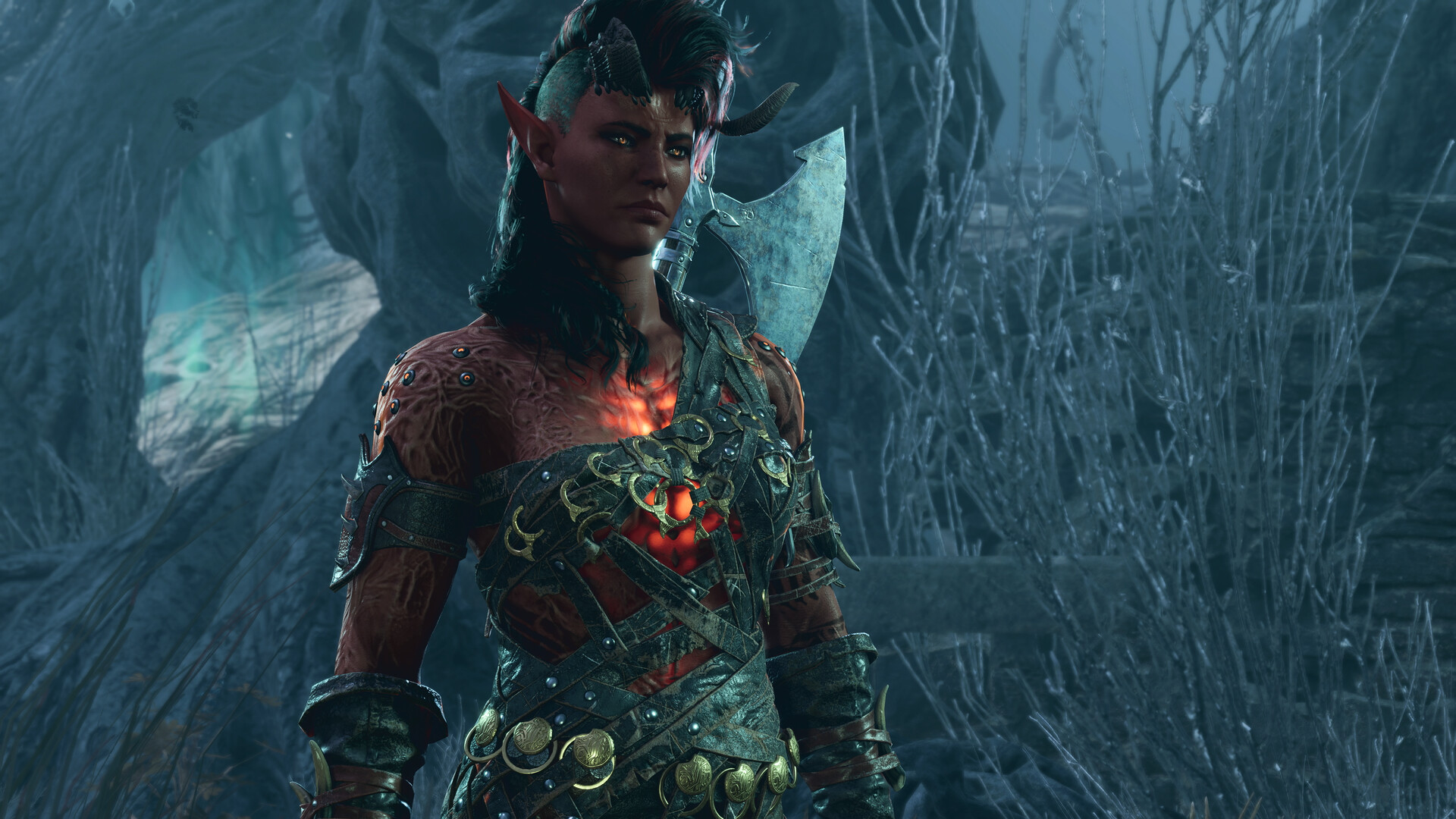
Quick Answer: The baldurs gate 3 best rogue build is usually a high-Dexterity Thief or Assassin focused on stealth, initiative, and burst damage, using hand crossbows or finesse weapons to control fights before enemies act.
Build Identity
The best rogue build in Baldur’s Gate 3 is a mobile damage dealer and opener who wins fights by acting first, striking from concealment, and using positioning to deny enemies clean retaliation.
Rogues in BG3 are strongest when they convert turn order and terrain into damage. A well-built rogue does not stand in the middle of a fight trading blows. Instead, they scout ahead, start combat on favorable terms, delete a priority target with Sneak Attack, then reposition so the enemy wastes actions trying to reach them. In practice, this makes the class excel in ambushes, isolated target removal, and objective play in encounters where movement matters. Examples include thinning goblin packs before they fully spread out, punishing cultists on narrow catwalks in Moonrise Towers, or removing fragile spellcasters such as enemy mages and archers before they can set up.
The usual split for a rogue build is between the two most common damage identities:
| Rogue path | Core strength | Best use case | Typical feel |
|---|---|---|---|
| Thief | Extra Bonus Action value | Dual hand crossbows, melee hit-and-run, item-heavy play | Fast, flexible, action-economical |
| Assassin | Opening burst and surprise rounds | Stealth ambushes, single-target deletion, prepared fights | Explosive, encounter-scripted |
Thief is often the more forgiving and broadly useful answer to the baldurs gate 3 best rogue build question because extra Bonus Action economy is strong in every act. It lets you attack more often with hand crossbows, disengage after a hit, drink potions without losing tempo, or apply utility items while still threatening damage. Assassin can spike harder when you are consistently starting combat from stealth, but it is less universal because some encounters begin messily or force immediate visibility. In a full campaign, that distinction matters. A Thief remains effective in cramped underground areas, social setups that suddenly become hostile, and long dungeon clears where enemies are already aware of you. Assassin shines when you can plan the first round, such as setting up on rooftops in the Goblin Camp or positioning before a fight with humanoid guards.
If you want the simplest summary: build around Dexterity, initiative, stealth, and repeatable Sneak Attack access. Then choose whether you want the build to feel like a constant skirmisher or a first-turn ambusher.
Stat Priorities
The best rogue stats are Dexterity first, then Constitution, then Wisdom or Charisma depending on how much dialogue and perception utility you want.
Rogues get more from accuracy, initiative, and mobility than from raw defensive stacking. Dexterity governs attack rolls with finesse weapons and ranged weapons, AC when unarmored or lightly armored, initiative, Sleight of Hand, Stealth, and several key saves. That makes it the backbone of the build from the Nautiloid through the endgame. Constitution comes next because rogues are not meant to be hit often, but they still need enough health to survive when a stealth attempt fails, a trap goes off, or an enemy survives long enough to retaliate. Wisdom is the practical tertiary choice if you want stronger Perception and better resistance to control effects, while Charisma matters more if your rogue is also the party face.
A practical priority order looks like this:
- Dexterity - This is your primary damage stat, your hit chance, your initiative, and part of your defense. It improves both bow-based and melee rogue variants, so it stays best in slot for the whole run.
- Constitution - You do not need to tank, but you do need to survive being exposed after a bad stealth entry or a missed kill window.
- Wisdom - This helps you notice traps, hidden enemies, and environmental hazards, and it supports a rogue who scouts ahead.
- Charisma - Choose this if the rogue is your main dialogue character or if you want stronger roleplay and conversation checks.
- Intelligence - Usually lowest priority unless you are deliberately building for skill coverage or multiclass synergy.
The exact starting spread can change based on your intended role. A dual hand crossbow Thief usually wants the highest possible Dexterity and enough Constitution to not fold after a mistake. A stealth Assassin who starts fights from high ground can afford to keep Constitution modest and invest more into utility stats if the party already has a durable front line. For example, if Lae'zel or Karlach are absorbing the obvious frontline pressure, your rogue can focus on striking from rooftops, doorways, and flanks rather than building to endure prolonged focus fire. If you are running solo or as a small party, Constitution becomes more valuable because there is less room for mistakes.
Two other stat points are easy to overlook. First, initiative is not a side benefit in BG3; it is the difference between deleting a dangerous enemy before they act and eating a control spell or burst attack on turn one. Second, skill coverage matters because rogues are often the character you send into locked rooms, trapped corridors, and hidden treasure routes. That means Dexterity is doing more work than just damage. It is also helping you solve the map.

You might also like
- Baldur's Gate 3 baldurs gate 3 best honour mode builds
- Baldur's Gate 3 Solve the Open Hand Temple Murders: Beginner Guide
- Baldur's Gate 3 baldurs gate 3 best dual wield build
- Baldur's Gate 3 best multiclass builds
- Baldur's Gate 3 best ranger build
Core Gameplay Loop
The rogue gameplay loop is to enter stealth, secure advantage, land Sneak Attack, and reset positioning before the enemy can force a fair fight.
This loop is consistent whether you are using melee daggers, a rapier and shield, or dual hand crossbows. The details shift, but the logic stays the same: rogues are best when the fight starts on their terms. A clean turn often looks like this in practice: your rogue scouts ahead, finds enemies, begins combat from concealment or from a favorable line of sight, lands the first hit with Advantage or another Sneak Attack enabler, then uses movement or Bonus Action tools to stay out of danger. In the best-case scenario, the target dies before acting. In the next-best case, they are badly softened and forced to spend their opening turn recovering or moving into a bad position.
There are several reliable ways to trigger Sneak Attack in Baldur’s Gate 3:
- Attack while you have Advantage, such as from hiding, high ground, or a control effect that leaves the target vulnerable.
- Attack a target who has one of your allies adjacent, as long as the attack qualifies and your positioning is correct.
- Use surprise or pre-emptive engagement from stealth when the encounter allows it.
Common real-game examples include opening on a goblin sharpshooter from the shadows outside the Goblin Camp, punishing a lone necromancer or caster while the frontline is distracted, or firing from elevated cover during the raid on Moonrise Towers. The rogue’s job is not to evenly distribute damage across the battlefield. It is to remove the enemy piece most likely to create problems next round. That often means enemy wizards, archers, concentration casters, and support units with crowd control.
A few abilities define how the loop flows:
| Ability | What it does for the rogue | When to use it |
|---|---|---|
| Hide | Creates Advantage and positions you for a clean opener | Before combat or after a reposition |
| Cunning Action: Dash | Lets you cross gaps and claim angles | When you need a roof, ledge, or flank |
| Cunning Action: Disengage | Lets you leave melee without provoking | After a hit, especially if enemies clustered you |
| Sneak Attack | Your main burst tool | Once per turn, when the trigger is valid |
| Uncanny Dodge | Cuts incoming damage from a dangerous hit | When an enemy actually connects |
| Evasion | Keeps you alive against AoE | Against fire, lightning, breath, and explosive effects |
The best rogue build also needs discipline. Players often waste turns on low-value attacks because they forget that a rogue is a tempo class. If a normal attack does not set up Sneak Attack, Advantage, or a meaningful reposition, you should usually ask whether the turn could be spent on hiding, moving, shooting from a better angle, or enabling a bigger future hit. That is especially true in Act 2 and Act 3, where enemy casters and high-damage elite foes punish lazy positioning.
Skill Rotation and Ability Priority
The strongest rogue rotation is to open from stealth, apply Sneak Attack immediately, then spend remaining actions on repositioning, finishing shots, or utility rather than standing still.
Rogue combat in BG3 is less about a rigid rotation and more about decision priority. Because the class is reactive to positioning and Advantage, the right sequence changes from fight to fight. Even so, a high-performing rogue generally follows the same logic in most encounters:
- Start in stealth or hidden positioning whenever possible.
- Identify the highest-priority target before combat begins.
- Use your first attack to trigger Sneak Attack as early as possible.
- Use Bonus Actions and movement to preserve safety or set up another attack.
- Only stay exposed if the enemy is already broken, dead, or unable to punish you.
A Thief version of the build is especially fluid because it can spend extra Bonus Actions on off-hand attacks, Hide, Disengage, Dash, or item use. For example, a dual hand crossbow rogue can open from stealth, fire a Sneak Attack with the main hand, follow with one or more off-hand shots, then Hide again if the environment allows it. In close quarters such as the Shattered Sanctum, that extra action economy often matters more than a slightly higher single hit. In more open environments, such as a battlement or cliffside in Act 3, the same economy helps you move between angles while still contributing meaningful damage.
A practical priority table helps keep turns efficient:
| Priority | What to do | Why it matters |
|---|---|---|
| 1 | Secure Advantage or another valid Sneak Attack condition | The build’s core damage hinges on this |
| 2 | Attack the most dangerous backline or low-HP target | Rogues win by removing key pieces first |
| 3 | Reposition with Hide, Disengage, Dash, or movement | Staying alive keeps the pressure on |
| 4 | Use off-hand attacks, poisons, or items when safe | Extra value should never replace the opening hit |
| 5 | Save resources when the fight is already won | Rogue strength is consistent, not resource-hungry |
Assassin plays differently. Its priority is to engineer the cleanest possible surprise turn. That means sneaking before the encounter starts, attacking from outside vision cones, and using the terrain to keep the target surprised if the fight supports it. Good examples include ambushing isolated enemies in wilderness sections, starting a fight by shooting from above, or using darkness and doorways to break line of sight. If your setup succeeds, Assassin can generate enormous first-round pressure. If it fails, the build becomes more ordinary until you regain control of positioning.
Ability priority is similarly straightforward:
- Use Sneak Attack whenever it is available and likely to connect.
- Use Hide when it creates a better attack line or breaks retaliation.
- Use Cunning Action: Dash when it secures height, range, or escape.
- Use Uncanny Dodge reactively against the hit that matters most.
- Use Evasion defensively when enemy spellcasters line up a large area attack.
The broad rule is simple: a rogue should spend turns making the battlefield unfair. Every action should either increase the chance that the enemy dies before acting or reduce the chance that they can answer effectively.
Gear and Loadout
The best rogue gear is Dexterity-focused, initiative-friendly, and built to support either off-hand ranged pressure or reliable finesse weapon burst.
Rogue gear does not need to be fancy to be effective. In fact, many of the strongest pieces are valuable because they improve consistency rather than offering dramatic one-off effects. Early on, you want anything that raises attack accuracy, stealth reliability, or movement. Midgame, you start prioritizing hand crossbows, finesse weapons, light armor that does not interfere with your Dexterity plan, and accessories that improve initiative or mobility. Endgame, you are usually looking for items that stack more damage into your opening turn or help you avoid being pinned down after revealing yourself.
A representative loadout looks like this:
| Slot | Item | Reason |
|---|---|---|
| Main Hand | Finesse weapon with reliable hit chance, such as a rapier or shortsword | Keeps melee options strong when you need to fight up close |
| Off Hand | Second finesse weapon or utility slot, depending on build path | Supports dual-wield burst or flexible positioning |
| Ranged | Hand crossbows | One of the best rogue-friendly ways to keep pressure up from range |
| Armor | Light armor that preserves mobility | Rogues want defenses without sacrificing Dexterity synergy |
| Gloves | Dexterity- or weapon-focused gloves | Helps scale accuracy or damage without changing the play pattern |
| Boots | Mobility or initiative-leaning boots | Better positioning and faster first turns |
| Head | Perception, stealth, or initiative-friendly headpiece | Supports scouting and turn order |
| Cloak | Defensive or stealth-oriented cloak | Useful for escape turns after you expose yourself |
| Ring 1 | Accuracy, damage, or utility ring | Improves consistency across Act 1 through Act 3 |
| Ring 2 | Same priority as above | Rings often provide the easiest general-purpose upgrades |
| Amulet | Utility or survivability amulet | Helps cover a weakness like durability or movement |
Because Baldur’s Gate 3 offers many valid item paths, the best specific pieces can change with your run and party composition. A rogue who mostly attacks from range with hand crossbows wants different synergies than one who backstabs with a rapier after a party member locks enemies in place. The good news is that the class is flexible enough to work with many reasonable items as long as the core priorities stay intact.
A few concrete equipment directions are worth calling out:
- Early Act 1: favor items that improve initiative, accuracy, or stealth, especially if you are still using basic leather armor and simple hand crossbows.
- Midgame Act 2: upgrade into gear that supports cleaner burst on enemies like cultists, undead, and armored veterans, where a single weak opener is not enough.
- Late Act 3: emphasize mobility and turn-one impact, because enemy density and crowd control get more dangerous and you often need to act before a battlefield fully stabilizes.
If you are building the baldurs gate 3 best rogue build around Thief, prioritize dual hand crossbows and any gear that turns bonus actions into more damage or better escape tools. If you are building Assassin, prioritize stealth reliability, opening damage, and anything that helps you start fights before the enemy is fully aware. In both cases, the underlying logic is the same: gear should make the first meaningful turn stronger, not just inflate sheet stats.
Budget vs Endgame Variant
The budget rogue uses any decent Dexterity gear and a simple weapon setup, while the endgame variant layers initiative, burst, and reposition tools to make every opener count.
Rogues are unusually forgiving in budget form because the class’s baseline kit is already strong. You do not need a full endgame loadout to function. A simple shortsword, dagger, or basic hand crossbow setup can carry you through a large part of the game if you use positioning well. The real upgrade path is not about switching from weak to strong in one step. It is about improving the reliability of your opening turn, then multiplying that reliability with better gear and party support.
Here is a practical tier comparison:
| Tier | What to use | What it is good for | Limitations |
|---|---|---|---|
| Budget | Basic finesse weapons, simple hand crossbows, light armor, stealth-leaning utility pieces | Early Act 1, learning the class, low-risk exploration | Lower burst and fewer backup options |
| Midgame | Improved hand crossbows or rapier setups, better initiative gear, mobility accessories | Act 2 dungeons, denser fights, more punishing ambushes | Still dependent on clean positioning |
| Endgame | Best-in-slot style Dexterity and damage gear, strong utility accessories, optimized stealth or burst tools | Act 3 elite fights, honor-style caution, repeated high-pressure encounters | Requires better encounter knowledge to maximize |
For a budget Thief, the simplest substitute package is basic dual-wield pressure or a single finesse weapon plus hand crossbow support. That means you can function with ordinary early-game loot from vendor stock, crates, and the first few dungeon clears. Examples include fighting goblins, looters, and low-level cultists without needing perfect pieces. If you find a decent light armor piece and a pair of usable hand crossbows, the build already works. You are mostly trying to preserve the rogue’s tempo and let Sneak Attack do the heavy lifting.
For a budget Assassin, the starter version should focus on a single strong melee weapon or one reliable ranged weapon, then leverage stealth and surprise rather than perfect itemization. This version is easier to pilot in curated fights and can feel very strong whenever you control the opening. It is less forgiving than Thief if a fight turns messy, so budget Assassin players should value backup reposition tools even more highly. If you can start a fight from high ground or from hidden side routes, the lower-end gear still performs.
The endgame version does not replace the fundamentals. It amplifies them. Better gear lets you reach key breakpoints faster, finish priority targets more reliably, and escape after exposure with fewer concessions. In the final act, that matters because enemies often punish underpowered openers more severely. A rogue that can only almost kill the target is often a rogue that gets punished on the next turn. The goal of the endgame loadout is to prevent that half-finished state.
Counters and Hard Matchups
The rogue is shut down by enemies that deny stealth, punish low durability, or force prolonged open combat without room to reset.
This is the main weakness of the class and the reason rogue builds are strongest when paired with a party that can control space. Rogues hate being forced into static stand-up fights. They also struggle when enemies have wide detection, strong area damage, or enough durability that a single opener does not swing the fight. The best adaptation is not to pretend those weaknesses do not exist. It is to plan around them with party support, terrain use, and item choices.
The most common hard matchups are:
- Enemies that reveal or punish stealth quickly, especially when they cover a wide area or keep passive pressure on hidden units.
- Heavy armor or high-HP targets that do not fold to a single Sneak Attack.
- Spellcasters with dangerous area spells that force you to move predictably.
- Tight interiors where line of sight is broken and movement options are limited.
- Surprise-resistant encounters where your opener is less valuable than normal.
Real examples include crowded fights in narrow chambers where enemies can body-block exits, spell-heavy encounters where fire or lightning zones make hiding awkward, and boss fights where the target survives the opener and counterattacks with control or burst. In those situations, a rogue can still contribute, but they need support. A cleric or druid can create space and control sightlines. A fighter or barbarian can pin enemies in place so your Sneak Attack conditions stay valid. A wizard can force movement or break enemy concentration. Without that support, the rogue can end up spending turns simply trying to re-enter the fight on good terms.
Here is a practical counter table:
| Problem | What shuts the rogue down | How to adapt |
|---|---|---|
| Anti-stealth pressure | Enemies spot you before your opener | Start farther away, use high ground, and break line of sight |
| Durable targets | One Sneak Attack is not enough | Focus on softening, then finish with the party |
| AoE spellcasters | Your positioning becomes risky | Spread out, use cover, and save Evasion for key turns |
| Tight corridors | Movement options are limited | Use ranged pressure instead of forcing melee |
| Bad initiative | Enemies act before you | Stack initiative and pre-position before combat |
The rogue’s answer to a bad matchup is usually patience and geometry. If a room is bad for stealth, leave and attack from another angle. If a target is too durable, let another party member initiate control and then move in once the enemy is committed. If a caster threatens the backline, focus on landing the first hit from concealment and forcing concentration checks. The class is not helpless in these fights; it just needs the battlefield to be shaped before it commits.
Common Mistakes
Rogue players usually lose value by forcing direct trades, wasting Sneak Attack conditions, or building too much for damage and not enough for turn order.
The class looks simple on paper, but a lot of players underuse it because they treat it like a generic melee or ranged damage dealer. It is more precise than that. These mistakes show up repeatedly in actual play:
- Mistake: Standing in the open after attacking. Players do this because they want to maximize damage and forget survival. Fix: After your opener, use Hide, Disengage, or movement to break line of sight whenever possible.
- Mistake: Burning Sneak Attack on a low-value target. Players fall into this when the first enemy they see is in range. Fix: Save your burst for enemy casters, archers, or other units that meaningfully change the fight.
- Mistake: Ignoring initiative. Players often stack only raw damage and assume it is enough. Fix: Prioritize Dexterity, initiative-friendly gear, and pre-combat positioning so you act before dangerous enemies.
- Mistake: Treating rogues like frontliners. This usually happens when the party lacks another durable character and the rogue gets pulled forward. Fix: Let a sturdier ally anchor the fight while you attack from angles.
- Mistake: Overcommitting to melee in bad terrain. Players do this because rogue melee looks stylish and intuitive. Fix: Swap to ranged pressure when corridors, ledges, or enemy zones make melee unsafe.
- Mistake: Forgetting that stealth is a tool, not a lifestyle. Players sometimes spend too many turns hiding instead of contributing. Fix: Hide only when it improves your next attack or preserves your position; otherwise, keep pressure on.
These errors are especially costly in Act 2 and Act 3, where enemies punish inefficiency much harder than the early game does. The rogue succeeds when every turn either creates a kill window or keeps one open.
Pro Tips
The rogue becomes much stronger once you start treating the battlefield like a series of angles instead of a flat arena.
Tip 1. Open from higher ground whenever possible
A rooftop, ridge, balcony, or ruined wall often gives you both vision and safer retreat routes. Fights in places like the Goblin Camp, Moonrise Towers, and the Lower City become easier when your rogue starts from a level that enemies must spend movement to reach.
Tip 2. Pre-position before dialogue turns hostile
Many BG3 fights can begin after a conversation. Move your rogue into a hidden flank before the conversation ends so you are not wasting the first round walking into place. This is especially good before fights with guards, cultists, or bosses that announce themselves.
Tip 3. Use your rogue to scout trap-heavy routes
The rogue is excellent for entering dangerous corridors first, spotting pressure plates, and checking hidden doors. In practice this saves party resources and lets you choose better combat starts in places like tombs, vaults, and abandoned ruins.
Tip 4. Keep a ranged option even on melee builds
Even a dedicated finesse rogue should carry a hand crossbow or similar backup. If the fight becomes awkward, a ranged option lets you keep Sneak Attack pressure while you wait for the battlefield to open up again.
Tip 5. Save Evasion for the turns that matter
When enemy spellcasters or environmental hazards threaten area damage, Evasion can turn a lethal turn into a manageable one. Do not rely on it casually; use it when a fire blast, lightning effect, or similar AoE would otherwise break your positioning plan.
Tip 6. Let allies create your Sneak Attack conditions
A fighter pinning a target in place, a cleric controlling a doorway, or a wizard forcing movement can make your rogue much more consistent. The class is strongest when the party builds a clean opening and then lets the rogue cash it in.
FAQ
Is the rogue the best solo class in Baldur's Gate 3?
Not automatically, but it is one of the safest solo-style classes if you play carefully. The rogue has strong scouting, strong opening damage, and good escape tools, which makes solo exploration and ambush play very comfortable.
Should I play Thief or Assassin for the best rogue build?
Thief is usually the more consistent choice, while Assassin is the more explosive one. Thief is better for flexible combat and repeated pressure, and Assassin is better when you can reliably begin fights from stealth.
Is dual hand crossbow rogue still strong?
Yes. Dual hand crossbows remain one of the most practical rogue setups because they support ranged pressure, flexible positioning, and strong bonus action usage, especially on Thief.
Does rogue need multiclassing?
No. A pure rogue is fully viable and often easier to play correctly. Multiclassing can add tools, but it also adds complexity and can dilute the clean rogue game plan if you are not careful.
What companion pairs best with a rogue?
Frontliners and control casters pair best with a rogue because they create safe angles and keep enemies occupied. Fighters, barbarians, clerics, druids, and wizards all work well depending on how you want to manage space.
Related Guides
- Baldur's Gate 3 Best Fighter Build
- Baldur's Gate 3 Best Ranger Build
- Baldur's Gate 3 Best Bard Build
- Baldur's Gate 3 Best Assassin Build
- Baldur's Gate 3 Best Thief Build
- Baldur's Gate 3 Best Stealth Build
- Baldur's Gate 3 Best Solo Build
- Baldur's Gate 3 Best Early Game Build
Sources
- https://store.steampowered.com/app/1086940/
- https://howlongtobeat.com/?q=bg3
- https://www.protondb.com/app/1086940
- https://steamcommunity.com/stats/1086940/achievements
- https://store.steampowered.com/app/1086940/
See also
- Baldur's Gate 3 baldurs gate 3 best melee build
- Baldur's Gate 3 baldurs gate 3 best necromancer build
- Baldur's Gate 3 baldurs gate 3 best paladin build
- Baldur's Gate 3 Kill Raphael's Old Enemy Beginner Guide
- Baldur's Gate 3 baldurs gate 3 best karlach build
- Baldur's Gate 3 Investigate the Sel nite Resistance Beginner Guide
- Baldur's Gate 3 best hexblade build: a complete BG3 guide
- Baldur's Gate 3 baldurs gate 3 best jaheira build
- Baldur's Gate 3 Best Healer Build
- Baldur's Gate 3 baldurs gate 3 best halsin build
Screenshots


Reviewed by
BG3 Hub Editorial
Expertise: Editorial team behind BG3 Hub. Content is compiled from official patch notes, community wikis, and playthrough notes, then reviewed and updated on schedule.
Sources
Baldur's Gate 3 Classes Guides →
Browse the complete classes collection and its focused guides.
Related Guides
🔥 Popular Guides

bg3 class tier list act 1
Act 1 BG3 class tier list with S/A/B ranks, matchup flips, mistakes, tips, and an FAQ for new and returning players.
BG3 Top Baldur's Gate 3 Builds Guide
Best BG3 builds explained with roles, stats, gear, counters, budget swaps, and pro tips for any difficulty.
bg3 best builds for honor mode: Baldur’s Gate 3 Build Guide
Top BG3 Honor Mode builds, stat priorities, gear, counters, and budget options for a safer Baldur’s Gate 3 run.
Baldur's Gate 3 Class Tier List
S, A, and B class rankings for BG3 with methodology, situational flips, patch notes, mistakes, pro tips, and FAQs.
📋 Patch Notes & Updates
🛠️ Popular Tools
Frequently Asked Questions
Quick answers from the guide · click a question to expand.
Is the rogue the best solo class in Baldur's Gate 3?
Not automatically, but it is one of the safest solo-style classes if you play carefully. The rogue has strong scouting, strong opening damage, and good escape tools, which makes solo exploration and ambush play very comfortable.
Should I play Thief or Assassin for the best rogue build?
Thief is usually the more consistent choice, while Assassin is the more explosive one. Thief is better for flexible combat and repeated pressure, and Assassin is better when you can reliably begin fights from stealth.
Is dual hand crossbow rogue still strong?
Yes. Dual hand crossbows remain one of the most practical rogue setups because they support ranged pressure, flexible positioning, and strong bonus action usage, especially on Thief.
Does rogue need multiclassing?
No. A pure rogue is fully viable and often easier to play correctly. Multiclassing can add tools, but it also adds complexity and can dilute the clean rogue game plan if you are not careful.
What companion pairs best with a rogue?
Frontliners and control casters pair best with a rogue because they create safe angles and keep enemies occupied. Fighters, barbarians, clerics, druids, and wizards all work well depending on how you want to manage space.
Was this guide helpful?
Rate this guide so we can improve it.
Share your own tip
Found something not in the guide? Submit it below — our editors review every tip before publishing. No account required.