 Baldur's Gate 3
Baldur's Gate 3 best dark urge build
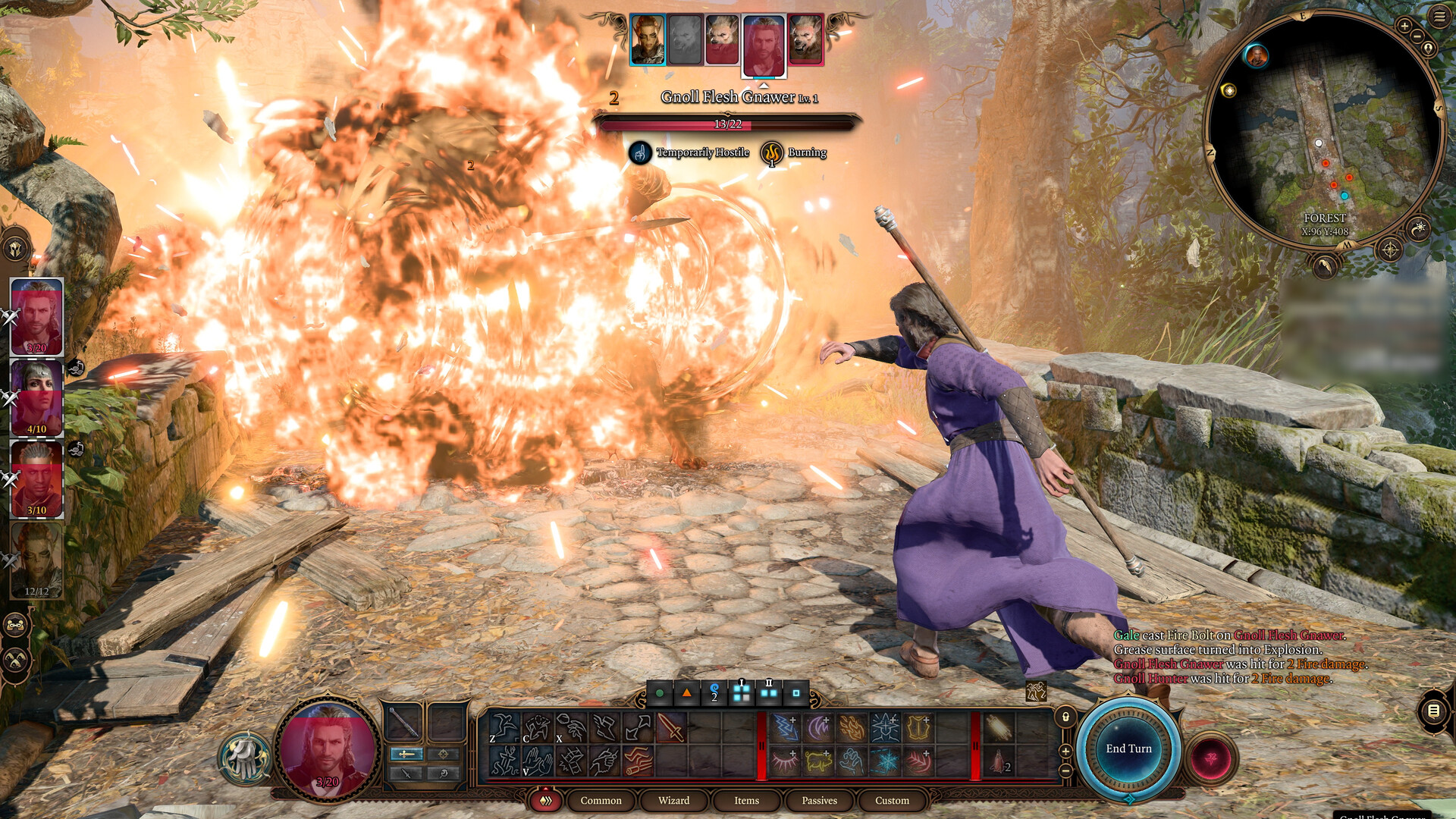
Quick Answer: The baldurs gate 3 best dark urge build is usually a stealthy martial or hybrid damage dealer that rewards aggression, deception, and control, while staying resilient enough to survive the Dark Urge’s riskier story beats.
Data note: Live data unavailable at time of writing; check the KPI panel above.
Build Identity
The best Dark Urge build in Baldur’s Gate 3 is a high-impact assassin-style character that turns the origin’s murder-driven story pressure into battlefield advantage. Dark Urge is not a separate combat class, so the build identity comes from how you use the origin’s tone: capitalize on surprise, pick off priority targets, and keep enough defenses to survive when things go wrong. In practical terms, this means a build that can start fights on your terms, delete a key enemy fast, and still function when the game refuses to go quietly.
For most players, that means a Rogue-centric or Rogue-adjacent damage build works best. The core fantasy is simple: move first, hit hard, disappear, and let the rest of the party clean up. This fits encounters where Baldur’s Gate 3 asks for target selection rather than raw area damage, such as the Goblin Camp, the Apostle of Myrkul sequence, and later fights against enemies that punish slow setups. It also fits the Dark Urge’s narrative tone better than a pure support role, because you are always making deliberate, sometimes ugly choices about who lives long enough to act.
There are other valid directions. A Gloom Stalker Ranger / Rogue hybrid is excellent if you want stronger opening turns and smoother ranged play. A Paladin hybrid can lean into the darker roleplay while still hitting very hard with smites. A pure Bard or Sorcerer route can work too, but they usually feel more like strong Tav builds than the most thematic Dark Urge answer. If the goal is the baldurs gate 3 best dark urge build for a first or second playthrough, I would prioritize a build that makes the opening round decisive.
A useful way to rank Dark Urge build families is this:
| Build family | Tier for Dark Urge | Why it works | Main drawback |
|---|---|---|---|
| Gloom Stalker Ranger / Rogue | S | Dominates surprise rounds and opening burst | Less forgiving if you misposition |
| Assassin Rogue / Fighter | S | Strong ambush turns and clean single-target deletion | Narrower toolset outside combat starts |
| Paladin / Warlock or Paladin / Sorcerer | A | Fits the origin’s menace and offers huge burst | Resource management matters more |
| College of Swords Bard | A | Flexible, social, and still dangerous | Less explosive than top ambush builds |
| Pure Fighter | A | Reliable, simple, and strong across the whole game | Less identity and fewer tricks |
The important point is not that every Dark Urge character must be a stealth killer. It is that the origin rewards a build that can decide when violence happens. That is the real power fantasy, and it is why so many players gravitate toward ambush tools, initiative bonuses, and burst damage rather than slow attrition.
Stat Priorities
The best stat spread for a Dark Urge build depends on whether you are attacking from stealth, swinging a melee weapon, or supporting your own dialogue checks, but the priority order is usually clear. You want your main attack stat first, then enough survivability to stay alive, then the utility stats that keep the run stable.
Primary attack stat: Dexterity, Strength, Charisma, or Wisdom depending on the class This is your damage engine, so it should be the first place you invest. Dexterity is ideal for Rogue, Ranger, and finesse weapon builds; Strength fits heavy melee and throw builds; Charisma powers Paladin, Warlock, and Bard; Wisdom powers Monk, Cleric, and Druid. If you are building the best Dark Urge around stealth and alpha strikes, Dexterity is the safest default because it improves attack rolls, initiative, and Armor Class with the right gear.
Constitution Constitution keeps your Dark Urge alive when a fight does not open perfectly. This matters in fights like the Last Light Inn chaos or the later Act 3 boss gauntlet, where one bad turn can snowball into disaster. Even a damage-focused character needs enough hit points to survive being revealed, surrounded, or focused by ranged enemies.
Secondary stat for utility or defenses This is where you support the build’s broader job. A Rogue wants Dexterity plus Constitution, then maybe Wisdom for perception and key saving throws. A Paladin wants Charisma because aura and dialogue value matter. A Ranger may like Wisdom for spellcasting and scouting. This stat is not glamorous, but it keeps the build consistent across the campaign.
Dexterity or Strength if not already primary Some builds split between weapon choice and armor type, and this is where you settle the question. If you are using medium armor with ranged weapons or finesse melee, Dexterity remains king. If you are using heavy weapons and heavy armor, Strength can take over. Do not split both unless the class specifically supports it.
Intelligence and a dump stat These are often the least important for the build families most players choose for Dark Urge. That said, there are exceptions. If you are running a Wizard-focused dark origin, Intelligence becomes primary. In most common builds, though, Intelligence is a low priority and should not steal points from the stats that actually determine your turn-one impact.
A practical ability score plan looks like this:
| Build style | Primary | Secondary | Tertiary | Notes |
|---|---|---|---|---|
| Rogue / Assassin | Dexterity | Constitution | Wisdom | Best for stealth, initiative, and skill coverage |
| Gloom Stalker / Rogue | Dexterity | Constitution | Wisdom | Strongest all-around Dark Urge opener |
| Paladin hybrid | Charisma or Strength | Constitution | Dexterity | Pick based on weapon and armor plan |
| Swords Bard | Dexterity or Charisma | Constitution | Charisma or Dexterity | Social checks and combat both matter |
| Fighter / Archer | Dexterity | Constitution | Wisdom | Simple and stable from early to late game |
The key is to avoid overbuilding for dialogue at the expense of combat. Dark Urge already adds enough narrative pressure on its own; your stats should make the fights manageable so the story decisions are the hard part, not your action economy.
You might also like
- Baldur's Gate 3 Solve the Open Hand Temple Murders: Beginner Guide
- Baldur's Gate 3 Kill Raphael's Old Enemy Beginner Guide
- Baldur's Gate 3 baldurs gate 3 best cleric build
- Baldur's Gate 3 baldurs gate 3 best barbarian build
- Baldur's Gate 3 Investigate the Sel nite Resistance Beginner Guide
Skill Rotation and Ability Priority
The best Dark Urge rotation is an opening sequence, not a long loop, because Baldur’s Gate 3 rewards front-loaded decisions more than repeated button pressing. Your job is to begin combat with the right conditions, spend your strongest resources on the highest-value target, and then preserve enough mobility or concealment to repeat the pattern in the next fight.
For a stealth damage build, the priority order is usually:
Enter combat from stealth whenever possible Open with Hide, Greater Invisibility, or just good positioning before initiative is rolled. This matters in places like the Shattered Sanctum, the Steel Watch-related fights, and many outdoor encounters where sight lines are generous.
Use a surprise opener or initiative burst If your build has Assassin or Gloom Stalker tools, this is where the build pays off. Fire the first shot, land the first Sneak Attack, or start with a smite on a vulnerable target. The goal is to remove a concentration caster, boss add, or ranged threat before they act.
Spend limited burst resources on priority targets Use Action Surge, Sneak Attack, Battlemaster maneuvers, Smite slots, or spell slots on enemies that change the fight state. That means a healer, summoner, controller, or dangerous elite, not the nearest low-value melee body.
Use bonus actions for repositioning, hiding, or follow-up damage Cunning Action, off-hand attacks, or mobility spells should keep you alive and efficient. If a bonus action can break line of sight, take it. If it can secure a kill or improve setup for the next turn, use that instead.
Reset the fight if the opener fails This is a real Dark Urge skill. Many fights become much harder when your first target survives and counters. If that happens, shift to defensive play, retreat to better terrain, and let the rest of the party buy time.
A more concrete example rotation by build family helps:
| Build family | Opening action | Follow-up | Resource to save |
|---|---|---|---|
| Assassin Rogue | Stealth attack from high ground | Sneak Attack on exposed target | Cunning Action for disengage |
| Gloom Stalker Ranger / Rogue | Pre-combat stealth, then first-turn burst | Extra attack and reposition | Spell slots for control or escape |
| Paladin hybrid | Close and smite a priority enemy | Clean up with weapon attacks | Higher-level spell slots |
| Swords Bard | Control or disable, then strike | Use flourishes on high-value targets | Inspiration if the fight may continue |
| Fighter / Archer | Focus-fire the most dangerous unit | Action Surge to finish or force a break | Maneuvers or arrows with special effects |
Several specific examples show the pattern clearly. In the Goblin Camp, you want to remove a drum caller or caster before the alarm spreads. Against Ketheric Thorm’s multi-stage pressure, your opener should target the unit that gives the fight its worst momentum. In Act 3, when enemies stack buffs, the right opening target is often not the boss itself but the support that keeps the boss alive. The build is strongest when you think in terms of fight structure rather than raw damage totals.
Gear and Loadout
The best gear for a Dark Urge build is equipment that improves initiative, accuracy, stealth, and burst damage while leaving enough survivability to survive a bad reveal. The exact item list changes by class and act, but the logic stays the same: first-turn power, reliable damage, and tools that reward aggressive positioning.
| Slot | Item | Reason |
|---|---|---|
| Weapon | Dead Shot | Excellent for ranged builds that want higher accuracy and cleaner crit-focused turns |
| Weapon | Phalar Aluve | Strong if you want a flexible melee support weapon with party value |
| Weapon | Knife of the Undermountain King | Great for crit fishing and stealth-oriented attack plans |
| Armor | Yuan-Ti Scale Mail | Strong medium armor option for Dexterity builds that still need protection |
| Armor | Adamantine Scale Mail | Helps if you want a sturdier midgame setup and less concern about enemy crits |
| Helmet | Assassin-inspired crit or initiative helmet | Initiative and critical support are ideal for Dark Urge openers |
| Gloves | Gloves that boost weapon damage or attack consistency | Reliable damage scaling matters more than flashy effects |
| Boots | Boots that improve movement or stealth | Better positioning means better surprise turns |
| Cloak | Cloak that supports stealth or survivability | Staying unseen is often worth more than raw stats |
| Amulet | Amulet that improves action economy or saves | Anything that helps you act first or stay standing is valuable |
| Ring 1 | Ring that improves initiative, accuracy, or stealth | First-round consistency is the core of the build |
| Ring 2 | Ring that adds extra damage or utility | A small damage boost is useful once your opener is stable |
Because Baldur’s Gate 3 gear is spread across multiple acts, it helps to think in tiers rather than absolute best-in-slot certainty. A Dark Urge build does not need to wait for perfect endgame pieces to feel strong. It only needs gear that compounds the build’s main job: getting the right target off the board before that target gets a turn.
| Stage | Budget option | Better midgame option | Endgame direction |
|---|---|---|---|
| Early game | Any finesse weapon, basic leather, and stealth-friendly boots | +1 weapon, better medium armor, utility rings | Crit, initiative, or damage-scaling gear |
| Midgame | Weapon upgrades from vendors and quest rewards | Adamantine or similar durable armor | Strong specialized weapons and helmets |
| Late game | Keep the best accuracy piece you found | Add burst-enhancing accessories | Stack initiative, crit, and damage multipliers |
For examples, a rogue-like Dark Urge can make excellent use of a finesse weapon such as the Knife of the Undermountain King, then transition into more specialized act-specific gear as your party’s economy improves. A ranged version values bows like Dead Shot because accuracy and crit support make the opening shot matter more. A melee hybrid may prefer a weapon like Phalar Aluve if the party wants the bonus utility as well as damage. The exact list is less important than the stat logic behind it.
The biggest trap is overvaluing raw armor class while ignoring turn order and positioning. In practice, a build that goes first and deletes a threat often takes less damage than a build with slightly higher AC but worse initiative. Dark Urge is a perfect origin for that lesson because the story already trains you to accept risk; the build should make that risk profitable.
Counters and Hard Matchups
The Dark Urge build is weakest against enemies and encounters that deny stealth, punish clustering, or survive the initial burst long enough to reverse the fight. That does not make the build bad; it just means you need adaptation rules, not blind aggression.
The biggest counters are:
Enemies that detect or force you out of stealth Fights with abundant vision, reveal effects, or forced initiative pressure make your opener less reliable. Examples include densely packed indoor fights, enemies with summons, and encounters where you cannot freely choose terrain. The fix is to pre-position, use height, and accept that not every fight starts from full concealment.
High-armor, high-health targets Some enemies simply do not die to the first burst. This is common with tougher Act 2 and Act 3 elites, especially when defensive buffs are active. Your adaptation is to focus on control first, then damage. If your first target is not dying, switch to the support units that make the tanky target dangerous.
Crowd-control heavy opponents Spellcasters, charm effects, fear, silence-like pressure, and terrain control can break the rhythm of the build. If your character cannot act cleanly, the entire opener collapses. Keep tools that restore mobility or resist control effects, and do not commit every resource before the enemy has had a chance to reveal their threat pattern.
Enemies with AoE punishment Area damage and counter-burst can punish a tightly packed or overcommitted Dark Urge team. When you are forced into a brawl, split angles and avoid standing in the obvious kill zone. The build does not lose because it is fragile; it loses when it behaves like a frontliner.
A practical adaptation table helps keep that straight:
| Problem matchup | What shuts the build down | Best adaptation |
|---|---|---|
| Reveal-heavy dungeon fights | Stealth opener never happens | Fight from height, use summons, and accept a standard initiative start |
| Boss with many adds | Burst gets diluted | Kill the support first or use control on the adds |
| Heavy spell pressure | Concentration and positioning break | Keep save bonuses, spread out, and focus casters quickly |
| Armor-stacked elite | Damage does not convert fast enough | Switch to debuffs, control, or a different target |
| Trap-heavy arena | Movement becomes dangerous | Use safer routes and let another party member scout first |
Examples matter here. The cult-heavy areas around Moonrise Towers reward a careful opener, but they can also punish overconfidence if you assume every enemy is isolated. The Steel Watch fights often reward target prioritization over raw damage into the largest health bar. Endgame encounters with layered defenses reward patience, because if you spend everything at once and fail to secure a kill, the build’s advantage evaporates.
The best response is disciplined target priority. Dark Urge tempts players into theatrical overcommitment; the build works better when you treat every opening turn as a tactical exercise. You are not trying to look flashy. You are trying to make the enemy lose the ability to respond.
Budget vs Endgame Variant
The budget version of the best Dark Urge build is a stealth or martial setup that works with common weapons, basic medium or light armor, and one reliable burst mechanic. The endgame version layers initiative, crit support, and specialized gear so the first turn becomes nearly deterministic in favorable fights.
For a budget starter, you want:
- A straightforward Dexterity-based class or multiclass
- A finesse weapon or a basic ranged weapon
- Medium armor if available, otherwise the best light armor you can find
- One source of reliable burst, such as Sneak Attack, Action Surge, or a smite
- Utility spells or items that help you leave bad engagements
This version is strong because it does not depend on rare drops. A fresh Dark Urge character can already feel good with a dagger, shortbow, rapier, or simple two-weapon setup as long as positioning is clean. In the early acts, vendor gear and quest rewards are enough to keep the build online.
The endgame variant is where the build becomes oppressive. You start combining:
- Better crit range or crit damage support
- High initiative gear
- Damage riders from weapons and accessories
- Mobility or stealth tools that let you keep choosing the opening angle
Here is a practical comparison:
| Variant | Core idea | Cheap substitute | Endgame goal |
|---|---|---|---|
| Budget Dark Urge | Win with positioning and one strong attack loop | Basic finesse weapon, starter armor, simple rings | Stable damage and survivability |
| Midgame Dark Urge | Start fights from stealth and remove a priority target | Vendor upgrades, medium armor, utility cloak | Reliable opener in most fights |
| Endgame Dark Urge | Decide the battle before enemies act | Specialized crit, initiative, and burst gear | First-turn domination in favorable encounters |
A budget Rogue can use almost any reasonable finesse weapon and still perform if the player respects stealth and elevation. A budget Gloom Stalker can lean on generic bows and mobility before the ideal ranged pieces appear. A budget Paladin can still hit hard with smites even when the weapon is unremarkable. The common thread is that the build’s power comes from sequencing, not just item quality.
For a concrete progression path, think in acts. In Act 1, prioritize consistency and survival. In Act 2, start leaning into gear that supports burst and movement. In Act 3, refine the build toward whichever of the three identities you prefer most: ranged executioner, melee assassin, or dark burst hybrid. That progression keeps the build usable the whole campaign instead of turning it into a late-game wish list.
Common Mistakes
The best Dark Urge builds fail for the same reasons most strong Baldur’s Gate 3 builds fail: players confuse damage potential with encounter control. The origin’s story can also push people toward reckless choices that feel thematic but weaken the actual combat plan.
Building for damage only and ignoring initiative Players do this because big crits look impressive and are easy to chase. The fix is to value going first more than slightly higher peak damage, because acting before the enemy often wins the encounter by itself.
Spreading stats across too many attributes Players want dialogue power, defense, and spellcasting all at once. The fix is to commit to one core attack stat and one secondary stat, then let gear and companions cover the rest.
Wasting the opener on the wrong target Players often hit the nearest enemy out of habit. The fix is to identify the enemy that enables the fight, such as a healer, summoner, or controller, and remove that unit first.
Overcommitting every resource in round one Players assume the fight is won if they spend everything early. The fix is to save one escape, defense, or reset tool so a bad reveal does not leave you stranded.
Ignoring positioning and line of sight Players focus on turn order but not terrain. The fix is to use high ground, doors, corners, and choke points so your build keeps the terms of the engagement.
Treating stealth as mandatory in every encounter Players think the build is bad if surprise is not possible. The fix is to remember that stealth is a bonus, not the foundation; the foundation is burst plus priority targeting.
Picking gear by rarity instead of function Players equip the fanciest item they found, even if it does not support the build. The fix is to ask whether the item improves accuracy, initiative, movement, or burst before caring about its color.
Pro Tips
The strongest Dark Urge players use small tactical habits that add up over a whole campaign. These are not beginner basics; they are the details that make the build feel unfair in good fights and still usable in bad ones.
Tip 1. Pre-load fights from outside vision
If you can start a fight from stealth, move your character before the rest of the party enters line of sight. This matters in places like the Goblin Camp rooftops, Moonrise Towers approaches, and many Act 3 streets, where one better angle can decide the first round.
Tip 2. Save one mobility tool for the post-opener turn
Do not spend every dash, jump, or teleport option just to start combat. Keep one for the turn after your burst so you can escape retaliation, re-enter stealth, or shift to a new target cleanly.
Tip 3. Split targets when the enemy formation is brittle
If one enemy is armored and another is dangerous, kill the dangerous one first even if the armored one is closer. This is especially useful against casters and support units that turn a normal fight into a long one.
Tip 4. Use high ground to stabilize accuracy
High ground is not just a ranged bonus; it is a reliability tool. On a Dark Urge build, reliable opening shots are often more valuable than a slightly stronger second attack from a worse angle.
Tip 5. Keep a backup plan for reveal-heavy rooms
Some fights will not allow the perfect ambush. In those cases, shift from stealth execution to control-and-pickoff mode: disable one enemy, delete another, then reposition before the enemy mass response lands.
Tip 6. Build around the fight you actually lose
The best tuning comes from the combat that keeps going wrong. If you are missing attacks, prioritize accuracy. If you are dying after the opener, add Constitution or defensive gear. If you are losing initiative, stack the stat and equipment that fix that exact issue.
FAQ
Is the Dark Urge best as a Rogue?
Rogue is one of the best and cleanest choices, especially if you want a stealthy, high-impact playstyle. Assassin and Thief both fit the origin well, but Rogue is only “best” if you value ambush damage and skill coverage over broader utility.
Is a melee or ranged Dark Urge better?
Ranged is usually easier and more consistent, while melee can feel more dramatic and aggressive. A ranged build has more freedom to pick targets safely, but a melee build can still be excellent if you understand positioning and burst timing.
Can I play Dark Urge as a Paladin?
Yes, and it is one of the strongest thematic options. Paladin fits the darker tone, gives you excellent burst with smites, and can still handle dialogue well if you invest in Charisma.
Do I need stealth for Dark Urge?
No. Stealth helps a lot, but the real requirement is a build that can act first and kill or disable priority enemies quickly. Even a straight Fighter or Paladin can be a strong Dark Urge choice.
What class is best for a first Dark Urge run?
For most players, Gloom Stalker Ranger / Rogue is the safest all-around answer, with Assassin Rogue and Paladin as close alternatives. It gives you strong opening turns without demanding perfect resource management.
Related Guides
- Best Baldur's Gate 3 Classes
- Best Rogue Build in Baldur's Gate 3
- Best Ranger Build in Baldur's Gate 3
- Best Paladin Build in Baldur's Gate 3
- Best Stealth Build in Baldur's Gate 3
- Best Solo Build in Baldur's Gate 3
- Best Beginner Builds in Baldur's Gate 3
Sources
- https://store.steampowered.com/app/1086940/
- https://howlongtobeat.com/?q=bg3
- https://www.protondb.com/app/1086940/
- https://steamcommunity.com/stats/1086940/achievements/
See also
- Baldur's Gate 3 Save the Grymforge Gnomes Beginner Guide
- Baldur's Gate 3 Steal a Githyanki Egg Beginner Guide
- Baldur's Gate 3 Rescue the Trapped Man Beginner Guide
- Baldur's Gate 3 Investigate the Suspicious Toys Beginner Guide
- Baldur’s Gate 3 How to Steal the Sacred Idol: Beginner Guide
- Baldur's Gate 3 baldurs gate 3 best builds 2026: Oathbreaker Paladin Lock
- Baldur's Gate 3 How to Rescue the Grand Duke Beginner Guide
- Baldur's Gate 3 Gloves of Soul Catching Beginner Guide
- Baldur's Gate 3 Find the Missing Shipment Beginner Guide
- Baldur’s Gate 3 Find the Missing Letters Beginner Guide
Screenshots

Reviewed by
BG3 Hub Editorial
Expertise: Editorial team behind BG3 Hub. Content is compiled from official patch notes, community wikis, and playthrough notes, then reviewed and updated on schedule.
Sources
Baldur's Gate 3 Classes Guides →
Browse the complete classes collection and its focused guides.
Related Guides

🔥 Popular Guides
Baldur's Gate 3 Ceremonial Practices for Initiate Umberlants
Book guide to Ceremonial Practices for Initiate Umberlants, including what it is, where to find it, and how it compares to ritual spells.
Baldur's Gate 3 areas hidden missed act 2
Find the hidden and easily missed Act 2 areas in BG3, including Reithwin Town, Moonrise Towers, and the Shadowfell point of no return.
Baldur's Gate 3 How to Get to Moonrise Towers
Fast route to Moonrise Towers in BG3, including shadow curse protection, route steps, pitfalls, and verification.
Baldur's Gate 3 achievements Guide
Complete BG3 achievements guide with rarest unlocks, missables, hidden trophies, and the best route to 100%.
📋 Patch Notes & Updates
🛠️ Popular Tools
Frequently Asked Questions
Quick answers from the guide · click a question to expand.
Is the Dark Urge best as a Rogue?
Rogue is one of the best and cleanest choices, especially if you want a stealthy, high-impact playstyle. Assassin and Thief both fit the origin well, but Rogue is only “best” if you value ambush damage and skill coverage over broader utility.
Is a melee or ranged Dark Urge better?
Ranged is usually easier and more consistent, while melee can feel more dramatic and aggressive. A ranged build has more freedom to pick targets safely, but a melee build can still be excellent if you understand positioning and burst timing.
Can I play Dark Urge as a Paladin?
Yes, and it is one of the strongest thematic options. Paladin fits the darker tone, gives you excellent burst with smites, and can still handle dialogue well if you invest in Charisma.
Do I need stealth for Dark Urge?
No. Stealth helps a lot, but the real requirement is a build that can act first and kill or disable priority enemies quickly. Even a straight Fighter or Paladin can be a strong Dark Urge choice.
What class is best for a first Dark Urge run?
For most players, Gloom Stalker Ranger / Rogue is the safest all-around answer, with Assassin Rogue and Paladin as close alternatives. It gives you strong opening turns without demanding perfect resource management.
Was this guide helpful?
Rate this guide so we can improve it.
Share your own tip
Found something not in the guide? Submit it below — our editors review every tip before publishing. No account required.