 Baldur's Gate 3
Baldur's Gate 3 The Blood of Lathander Beginner Guide
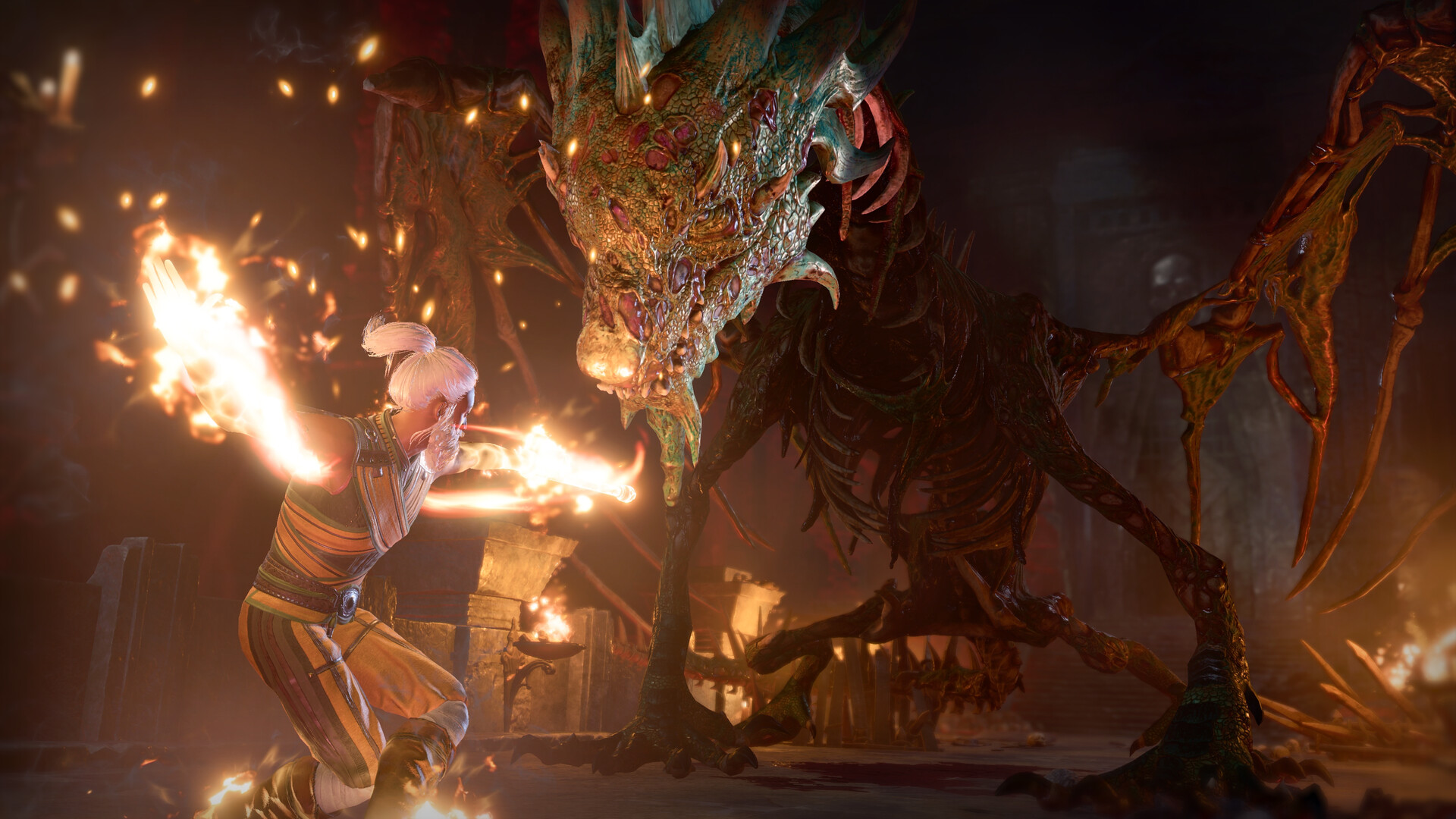
Quick Answer: Baldur's Gate 3 The Blood of Lathander is a powerful Act 1 legendary mace worth chasing early if you want strong radiant damage, light utility, and a reliable anti-undead weapon that can carry a beginner through the midgame.
What makes The Blood of Lathander worth getting early?
The Blood of Lathander is worth getting early because it gives beginners a rare mix of damage, defense, and utility in one weapon. In a game where positioning, spell slots, and resource management matter, that kind of all-in-one tool can make the early acts much smoother.
Baldur’s Gate 3 is a story-rich, party-based RPG where your choices shape the campaign, and it can be played alone or in a group Source Source. That matters because The Blood of Lathander is not just “good loot” in isolation; it is a practical reward for learning how exploration, dialogue, and combat all connect.
If you are new, think of this weapon as a beginner-friendly payoff for being curious. It rewards players who check side paths, read clues, and solve a small dungeon puzzle instead of rushing straight through the main quest.
First-hour checklist
Your first hour should be spent stabilizing your party, learning the basics, and setting up for future power spikes like The Blood of Lathander. Do these things early so the rest of the game feels much less punishing.
1) Lock in your party roles
- Keep one frontliner up close to hold enemies in place.
- Keep one ranged character safe for steady damage.
- Keep one character ready for support, healing, or control.
- Make sure someone can handle locks, traps, or stealth scouting.
2) Collect every basic resource you can safely carry
- Pick up healing consumables, scrolls, grenades, and useful gear.
- Grab camp supplies whenever you see them.
- Save unusual crafting items instead of selling them immediately if they look rare.
- Talk to vendors, but do not empty your gold on convenience items yet.
3) Learn your camp routine
- Send nonessential loot to camp instead of carrying everything.
- Check if a new spell, companion swap, or respec improves your lineup.
- Rest when your resources get low; many story moments and character beats happen during downtime.
4) Explore side paths before pushing forward
- Open every obvious door and elevator.
- Check corpses, books, locked rooms, and hidden corners.
- Take note of symbols, religious areas, and sealed spaces; those often connect to later treasure routes.
- If you see a suspicious puzzle room, mark it and come back with better gear or more confidence.
5) Start building toward radiant and utility synergies
- Watch for gear that boosts healing, radiant damage, or light-based effects.
- Keep an eye on cleric, paladin, or monk-friendly equipment if your party can use it.
- Do not worry about perfect optimization yet; focus on usable upgrades that keep your party alive.
Resource priority order
Your best resource order is survival first, then flexibility, then long-term upgrades. Beginners usually lose efficiency by spending too early on flashy items instead of keeping their options open.
| Priority | What to spend/hoard | Why it matters |
|---|---|---|
| 1 | Healing potions, revives, and emergency scrolls | These prevent wipes when fights go sideways. |
| 2 | Camp supplies | Resting is a major part of your power cycle, so do not starve the camp system. |
| 3 | Gold for key gear and spell options | Strong early purchases beat random junk upgrades. |
| 4 | Rare consumables | Save them for bosses, nasty ambushes, or difficult dungeon segments. |
| 5 | Crafting or situational items | Hold these until you know what your party actually needs. |
What to hoard
- Camp supplies, because resting is not a waste in this game.
- Scrolls for spells your party does not naturally know.
- Unique keys, notes, and quest items, even if they seem irrelevant.
- Any radiant-focused or undead-focused gear you find, since that can pair well with Baldur's Gate 3 The Blood of Lathander later.
What to spend
- Basic healing and revive tools when your party needs them.
- Early armor or weapons that fix a clear weakness.
- Spell scrolls that cover holes in your party composition.
- Repair-style convenience purchases only if they solve an immediate problem.
What to delay
- Decorative gear with no combat impact.
- Duplicate consumables you are unlikely to use.
- Shopping just to “complete” a merchant inventory.
- Replacing okay gear with slightly better gear every five minutes.
Common newbie mistakes and how to fix them
Most beginner mistakes in Baldur’s Gate 3 come from playing too cautiously in the wrong places, or too recklessly when the game expects planning. The good news is that each one has a simple fix.
Mistake 1: Saving consumables for “later” until they rot in your bag
- Problem: New players often finish the game with too many potions, scrolls, and bombs unused.
- Fix: Treat consumables as tactical tools, not collectibles. Use them when they prevent a bad fight from becoming a failed fight.
Mistake 2: Ignoring long rests
- Problem: Beginners sometimes avoid resting because they think it wastes time or progress.
- Fix: Rest when spell slots, class abilities, or hit points are running low. The game is built around that rhythm, and many companion events need it.
Mistake 3: Selling every “weird” item immediately
- Problem: Important quest clues, keys, and puzzle items can look useless at first.
- Fix: Check item descriptions carefully and send uncertain pieces to camp. If an item seems tied to a temple, symbol, or story location, keep it.
Mistake 4: Charging into traps and hidden rooms
- Problem: Players often run straight ahead and get punished by pressure plates, ambushes, or environmental hazards.
- Fix: Move slowly in new interiors, use the camera, and scout with the safest party member first.
Mistake 5: Building a party with no job coverage
- Problem: Four damage dealers can look fun but struggle when they need healing, locks opened, or enemies controlled.
- Fix: Make sure your group covers damage, support, crowd control, and utility. A balanced team makes treasure hunts like the route to The Blood of Lathander much easier.
How to prepare for Baldur's Gate 3 The Blood of Lathander
You should prepare for Baldur's Gate 3 The Blood of Lathander by treating it like a small objective chain rather than a random weapon drop. The treasure is tied to exploration and puzzle-solving, so the real requirement is attention, not brute force.
Preparation checklist
- Bring a party that can survive a dungeon crawl.
- Keep healing and revival tools on hand.
- Carry characters or abilities that help with mobility, locks, and perception.
- Read inscriptions, wall clues, and religious hints.
- Be ready to backtrack if the path branches.
The broader game is long enough that careful planning pays off. HowLongToBeat reports roughly 72.71 hours for the main story, 115.69 hours with extras, and 179.74 hours for completion Source. That is a strong reminder that BG3 rewards patience, not speedrunning your first run.
Why beginners should care about this weapon
- It can smooth out early fights against undead or resistant enemies.
- It gives you a meaningful reason to learn dungeon logic.
- It helps a beginner feel stronger without needing a perfect build.
- It teaches you to explore for power, not just for story.
Graduation threshold: when are you no longer a beginner?
You are out of the beginner phase when you stop asking “what am I allowed to do?” and start asking “what is the most efficient choice for my party?” That shift usually happens once you can handle exploration, combat, and resource use without constant panic.
Signs you have graduated
- You rest with purpose instead of fear.
- You understand which party member handles which job.
- You recognize when to spend a scroll or potion.
- You can read a room and spot danger before it starts.
- You are comfortable choosing between quest reward, vendor value, and long-term power.
A more concrete benchmark is confidence. If you can walk into a new area, evaluate threats, and make a sensible plan without restarting every other fight, you are past the beginner stage.
For many players, that is also the point where signature items like Baldur's Gate 3 The Blood of Lathander stop feeling mysterious and start feeling like part of a larger build plan.
Next-step internal links
Once you are comfortable with the basics, the best next step is to move from “surviving” to “specializing.” These are the most useful follow-up topics for a new player.
- related guide Best beginner builds for each class
- related guide Act 1 walkthrough and priority quests
- open hand temple murders Companion tier list and party setup
You might also like
- Baldur's Gate 3 Best Build: Open Hand Monk and Thief Rogue
- Baldur’s Gate 3 Best Builds Guide
- Baldur's Gate 3 Tier List
- Baldur’s Gate 3 Fun Builds: A Complete Build Guide
- Baldur's Gate 3 Xbox Beginner Guide
Sources
- https://store.steampowered.com/app/1086940/
- https://en.wikipedia.org/wiki/Baldur's_Gate_3
- https://howlongtobeat.com/?q=bg3
You might also like
- Baldur's Gate 3 How to Rescue the Grand Duke Beginner Guide
- Baldur's Gate 3 Classes Beginner Guide
- Baldur’s Gate 3 Beginner Guide: Dice, Early Progression, and Smart Starts
- Baldur's Gate 3 Build Guide: Build Ideas That Actually Work
- Baldur's Gate 3 Beginner Guide: Baldur’s Gate 3 Codes, Early Progress, and Smart Starts
See also
- Baldur’s Gate 3 Bard Build: Best Support, Control, and Damage Setup
- Baldur's Gate 3 Necromancer Build Guide
- Baldur's Gate 3 Warlock Build Tier List: Best Pacts, Subclasses, and Party Roles
- Baldurs Gate 3 PS5 Beginner Guide
- Baldur's Gate 3 Build Guide: Paladin-Lock Smite Build
- Baldur's Gate 3 Xbox Series X Beginner Guide
- Baldur's Gate 3 Monk Build
- Baldur's Gate 3 Builds: Best Core Build Guide
- Baldur's Gate 3 Treasure Pack Beginner Guide
- Baldur’s Gate 3 Astarion Beginner Guide
- Baldur's Gate 3 Jaheira Build
- Baldur's Gate 3 Confront the Elder Brain: Beginner Guide
- Baldur's Gate 3 Karlach Build Guide
- Baldur’s Gate 3 Evelyn Beginner Guide
- Baldur's Gate 3 Builds Reddit: Best Build Guide
See also
- Baldur’s Gate 3 Find the Missing Letters Beginner Guide
- Baldur’s Gate 3 Achievements Beginner Guide
- Baldur's Gate 3 Investigate the Suspicious Toys Beginner Guide
- Baldur's Gate 3 Investigate the Sel nite Resistance Beginner Guide
- Baldur's Gate 3 Beginner Guide
- Baldur's Gate 3 How to Cure the Poisoned Gnome: Beginner Guide
- Baldur's Gate 3 Build Guide: Best All-Rounder Party Carry
- Baldur's Gate 3 Gloves of Soul Catching Beginner Guide
- Baldur's Gate 3 Kill Raphael's Old Enemy Beginner Guide
- Baldur's Gate 3 Walkthrough
- Baldur’s Gate 3 How to Steal the Sacred Idol: Beginner Guide
- Baldur's Gate 3 Character Creation Beginner Guide
- Baldur's Gate 3 Find the Missing Shipment Beginner Guide
- Baldur's Gate 3 Save the Grymforge Gnomes Beginner Guide
- Baldur's Gate 3 Defeat the Duergar Intruders Beginner Guide
Screenshots



Reviewed by
BG3 Hub Editorial
Expertise: Editorial team behind BG3 Hub. Content is compiled from official patch notes, community wikis, and playthrough notes, then reviewed and updated on schedule.
Sources
Related Guides

%27/><stop offset=%271%27 stop-color=%27hsl(80,50%,18%)%27/></linearGradient></defs><rect width=%27460%27 height=%27215%27 fill=%27url(%23g)%27/><text x=%27230%27 y=%27115%27 text-anchor=%27middle%27 font-family=%27sans-serif%27 font-size=%2724%27 font-weight=%27700%27 fill=%27rgba(255,255,255,0.85)%27>App 1086940</text><text x=%27230%27 y=%27142%27 text-anchor=%27middle%27 font-family=%27sans-serif%27 font-size=%2711%27 fill=%27rgba(255,255,255,0.6)%27>no image yet</text></svg>)
🔥 Popular Guides
Baldur's Gate 3 achievements Guide
Complete BG3 achievements guide with rarest unlocks, missables, hidden trophies, and the best route to 100%.

Baldur's Gate 3 xbox mods disable achievements: Achievements Guide
Do BG3 mods disable achievements on Xbox? See rarest, missable, and hidden achievements plus a clean 100% route.
baldur's gate 3 achievements with mods steam deck
How to keep BG3 achievements working with mods on Steam Deck, plus rarest, missable, hidden achievements, and a full 100% route.
Baldur's Gate 3 How to Get to Moonrise Towers
Fast route to Moonrise Towers in BG3, including shadow curse protection, route steps, pitfalls, and verification.
📋 Patch Notes & Updates
🛠️ Popular Tools
Was this guide helpful?
Rate this guide so we can improve it.
Share your own tip
Found something not in the guide? Submit it below — our editors review every tip before publishing. No account required.