 Baldur's Gate 3
Baldur's Gate 3 Balduran's Giantslayer Beginner Guide
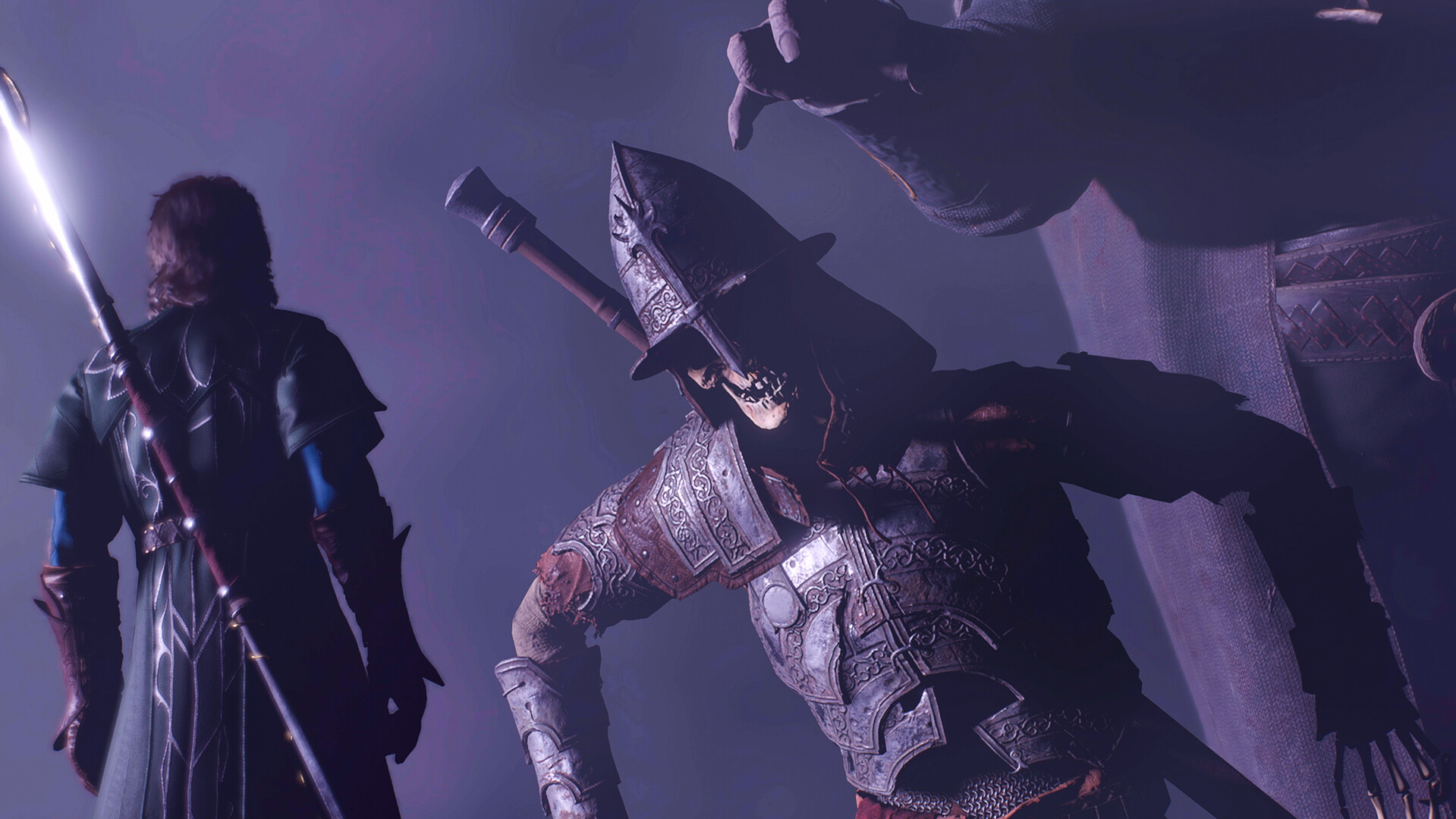
Quick Answer: Baldur’s Gate 3 Balduran’s Giantslayer is an excellent late-game greatsword for Strength-based martial builds, and beginners should treat it as a payoff weapon to pursue after learning movement, loot, party roles, and survivability.
What Baldur's Gate 3 Balduran's Giantslayer Actually Is
Baldur's Gate 3 Balduran's Giantslayer is a legendary greatsword that rewards characters who can reliably hit hard in melee, especially Strength-focused classes such as Fighters, Paladins, and certain Barbarians. It is not an early-game crutch, and that matters for beginners: by the time you are close to obtaining it, you should already understand basic party positioning, concentration management, and how to keep your frontliner alive long enough to use a premium two-handed weapon effectively.
As a beginner topic, the weapon is useful for two reasons. First, it gives you a concrete endgame goal that can shape your entire playthrough. Second, it teaches you what Baldur’s Gate 3 expects from a martial build: steady accuracy, good mobility, and support from the rest of the party. A greatsword like this is at its best when the wielder can get into range, stay standing, and capitalize on every action. That is a very different mindset from trying to solve every fight with the biggest visible damage number.
For new players, the most important lesson is that Balduran’s Giantslayer is only “good” if the rest of the character is already functioning. A weak Strength score, poor Armor Class, no source of Advantage, or bad positioning can make even a legendary weapon feel underwhelming. In practice, you should think of it as a capstone reward for a clean build rather than a shortcut to winning the game.
Baldur’s Gate 3 itself is a story-rich, party-based RPG, and the campaign’s structure encourages gradual learning instead of rushing to a single item. Steam describes it as a tale where your choices shape the story, while HowLongToBeat reports roughly 72.71 hours for the main story and 179.74 hours for completion Source Source. That scale is exactly why a beginner guide should focus on habits first and signature gear second.
First-Hour Checklist
Your first hour in Baldur’s Gate 3 should be spent stabilizing the party, learning the interface, and setting up your long-term build direction rather than chasing combat perfection. The opening area is generous if you use it well, but beginners often waste its value by clicking forward too quickly, ignoring companions, or treating every fight like a solo action game.
Do these opening actions immediately
- Loot the crash site carefully. Pick up obvious consumables, starting equipment, and any scrolls or potions you find near the nautiloid aftermath and the first shoreline encounters.
- Recruit your first companions. Meet and add early party members such as Shadowheart, Astarion, and Gale when possible so you can learn party roles from the start.
- Save before risky choices. Use manual saves before dialogue checks, suspicious chests, and the first branching encounters.
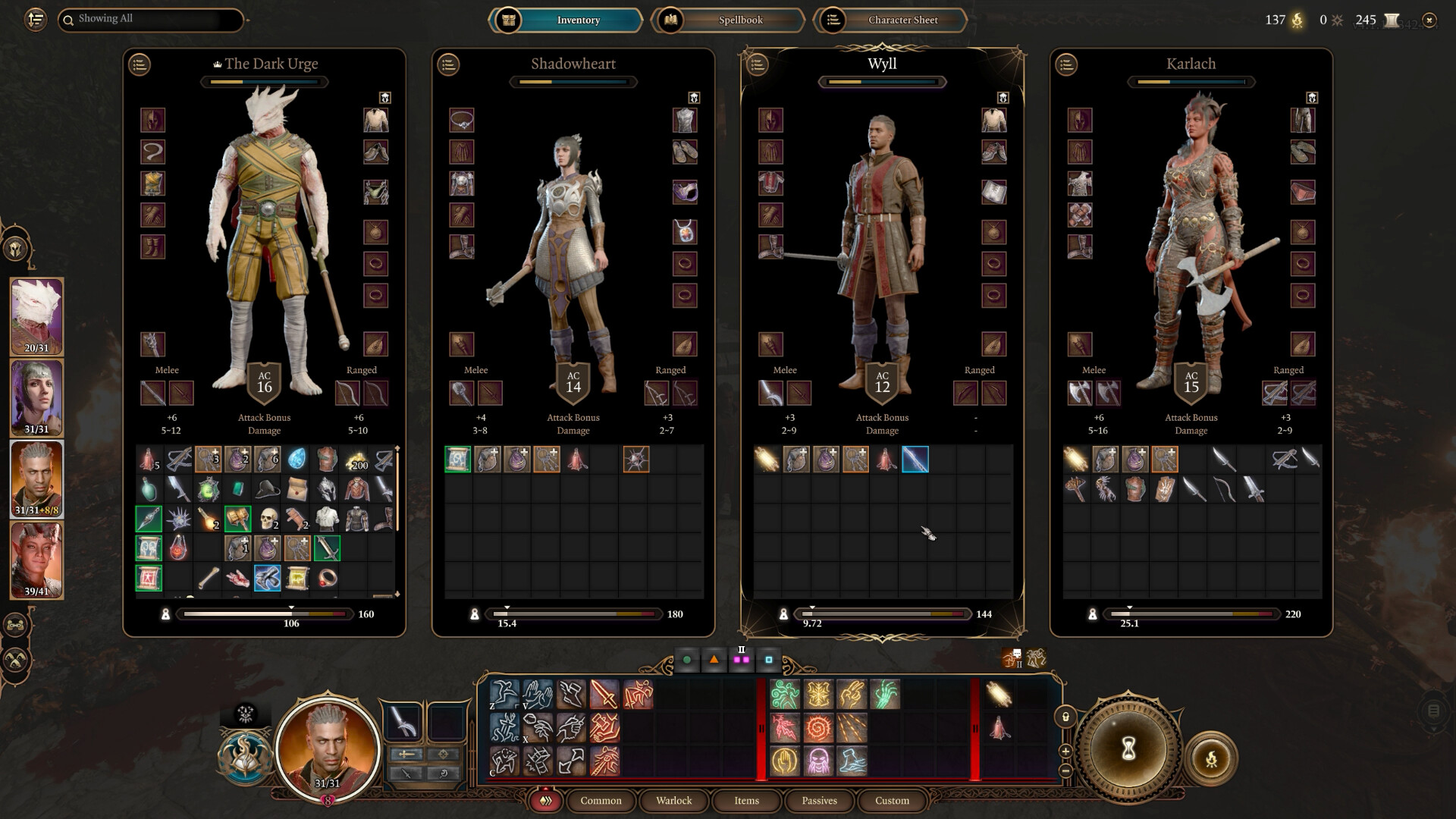
- Inspect every character sheet. Check Armor Class, hit points, weapon proficiencies, and class features so you know who should stand in front.
- Set up your hotbar and inventory. Move healing potions, jump, shove, and key spells into easy access so you are not hunting through menus mid-fight.
- Turn on turn-based mode for traps or stealth. This is especially useful in dense early areas where a single mistake can split the party.
The first hour also teaches you how the game wants you to think. You are not just looking for treasure; you are learning who can concentrate on spells, who should carry the heaviest gear, and who can disarm a situation without fighting. For example, if Lae’zel or another martial companion is in your party, put a heavier weapon and shield or two-handed weapon in their hands early. If Gale joins, keep him behind the front line and reserve his spell slots for encounters where area damage matters. If Shadowheart is with you, treat healing and buffs as emergency tools rather than something to spam every turn.
Early decisions that matter later
- Choose one main damage plan for your protagonist. If you want Balduran’s Giantslayer later, plan for Strength and melee proficiency now.
- Avoid spreading ability scores too thin. New players often try to “be good at everything” and end up weak at everything.
- Pick dialogue options that reveal quest paths. Many early rewards and allies are tied to exploration and conversation, not combat alone.
- Use the environment. High ground, choke points, ladders, ledges, and explosive objects can win fights before raw damage does.
A good first hour should leave you with a stable camp, a couple of companions, and a clear sense of whether your main character will eventually wield a giant-slaying greatsword or do something else entirely. If your plan is to aim for Baldur's Gate 3 Balduran's Giantslayer, start thinking like a frontliner now: survive first, strike second, and let the rest of the party create openings.
You might also like
- Baldur's Gate 3 Rescue the Gnome and Stop the Windmill Beginner Guide
- Baldur's Gate 3 Seek Protection from the Shadow Curse: Beginner Guide
- Baldur's Gate 3 How to Solve the Silent Library Puzzle
- Baldur's Gate 3 Get Help from Healer Nettie Beginner Guide
- Baldur's Gate 3 Ask the Goblin Priestess for Help: Beginner Guide
Resource Priority Order
Your resource priority order in Baldur’s Gate 3 should favor survival tools, build-defining gear, and flexible consumables before luxury purchases or minor crafting ingredients. Beginners usually feel poor because they spend gold on too many small upgrades too early, then have nothing left when a merchant finally sells something truly useful. The smarter approach is to hoard for meaningful spikes and spend only when an item fixes an actual weakness.
What to spend first
| Priority | Spend On | Why It Matters | Early Examples |
|---|---|---|---|
| 1 | Healing and emergency recovery | Keeps the party from losing fights to attrition | Healing Potions, Revivify Scrolls, short-rest-friendly planning |
| 2 | Build-defining weapon or armor upgrades | Big power jumps matter more than minor stat bumps | Heavy armor for a frontliner, strong two-handed weapons, caster robes with useful bonuses |
| 3 | Utility consumables | Solves problems that pure damage cannot | Scrolls, antidotes, oils, grenades, arrows with special effects |
| 4 | Camp and exploration supplies | Supports resting, traveling, and long adventuring days | Food, alchemy ingredients, camp-friendly stockpiles |
| 5 | Luxury purchases | Nice to have, but not urgent | Cosmetic items, marginally better vendor swaps, niche gear |
For beginners, “resource” does not just mean gold. It also includes spell slots, class resources, superiority dice, rage uses, inspiration, and consumables sitting unused in your pack. The game is built around repeated encounters, so resources that refresh on short rest or long rest are as important as currency. If you are holding three Potions of Healing and never drinking them, you are effectively playing with a smaller party than intended.
When it comes to crafting materials, the best early habit is to save versatile ingredients until you know what you actually make most often. Many players hoard everything without using it, but that is only half-right; the real mistake is converting materials into items you will not use. For example, if your party already has enough healing between spells and rests, you do not need to craft every possible recovery item. If your build relies on controlling position, keep anything that helps with mobility, defense, or disabling enemies. If your end goal is a weapon like Balduran's Giantslayer, prioritize upgrades that let your chosen martial survive the journey to Act 3.
Hoard these things longer than you think
- Gold for major vendor unlocks and key gear
- Scrolls that can solve rare problems
- Potions that restore action economy, mobility, or emergency healing
- Camp supplies for long rest stability
- Quest items and unusual materials until you know their use
Spend these early without guilt
- Consumables that prevent a wipe
- Armor that raises AC immediately
- A weapon that matches your primary ability score
- Utility arrows, bombs, and scrolls for hard fights
- Respect fees only when your build has clearly evolved
The best beginner resource rule is simple: if the item helps you win a fight today or preserves a build path for tomorrow, it is worth considering. If it only looks impressive in the tooltip but does not change your party’s performance, save the money. That mindset becomes especially important in a long campaign where a late-game weapon like Baldur’s Gate 3 Balduran's Giantslayer is worth far more than a handful of small early purchases.
Common Mistakes and How to Fix Them
New players usually struggle because they misunderstand how Baldur’s Gate 3 converts preparation into combat power, not because they lack reflexes. The game is full of systems that reward planning, but it also gives you plenty of room to recover if you notice your errors early. The goal is to stop making the same avoidable mistakes and to replace them with habits that scale into the midgame and beyond.
Mistake 1: Spending gold on everything in sight
Beginners often buy every potion, scroll, and shiny piece of gear they see because “more items must be better.” This happens because the game constantly offers tempting upgrades and the economy feels abundant at first. The fix is to buy only items that solve an immediate problem or clearly fit your build, then keep a reserve for future spikes.
Mistake 2: Ignoring positioning and elevation
Many players stand wherever they end their movement and only later realize they gave enemies free angles, surrounded their healer, or blocked their own ranged line of sight. This happens because early fights can be won by brute force, which teaches a bad habit. The fix is to check high ground, choke points, ladders, doorways, and enemy spacing before ending turns.
Mistake 3: Treating every companion like the main character
New players often use companions as interchangeable bodies rather than specialized party members. This happens because the game gives you many tools quickly, and it is tempting to make everyone “sort of useful.” The fix is to assign roles: one frontliner, one support or healer, one ranged damage dealer, and one utility or control specialist.
Mistake 4: Hoarding consumables until the credits roll
A lot of beginners carry dozens of potions and scrolls while dying with them unused. This happens because consumables feel scarce, and people fear wasting them. The fix is to use them on fights that threaten a quest, an ally, or a long rest chain; a consumed potion that saves the party is better than an untouched potion that never mattered.
Mistake 5: Failing to inspect enemy abilities
Players often attack the first visible target without reading reactions, resistances, or dangerous spells. This happens because the interface looks busy and combat can feel urgent. The fix is to examine enemies at the start of each fight, identify threats like casters, archers, and control units, and remove the most disruptive target first.
Mistake 6: Building for everything instead of one job
Beginners frequently split ability scores across Strength, Dexterity, Intelligence, Wisdom, and Charisma in the hope of making a versatile hero. This happens because role-playing instincts push people toward flexibility. The fix is to decide what the character does in combat and push the relevant stats, such as Strength for a future wielder of Baldur's Gate 3 Balduran's Giantslayer.
Mistake 7: Rushing dialogue without reading outcomes
The game often hides major consequences behind harmless-looking lines, and new players can accidentally lock themselves out of quests or allies. This happens because dialogue feels like a break from combat, not a system. The fix is to save before major conversations, read options carefully, and accept that some outcomes are better experienced on a second run.
Pro Tips
The strongest beginner improvements in Baldur’s Gate 3 come from small habit changes that compound across dozens of encounters. These tips are not obvious from the tutorial, but they are the kind of practices that separate a shaky first playthrough from a smooth one.
Tip 1. Open fights from stealth whenever possible
If your party can enter combat from hidden positions, you can often pick the first target, force enemy movement, or land a disabling hit before the enemy acts. This is especially effective in narrow spaces, around goblin camps, and in ambush-heavy outdoor encounters.
Tip 2. Use jump and shove more often
If an enemy is standing near a ledge, fire, or trap, a simple shove or well-timed jump can be more valuable than a basic attack. This is one of the easiest ways to turn awkward fights into clean wins without spending precious spell slots.
Tip 3. Keep one character ready to rescue the party
A prepared character with healing, revivify access, or emergency mobility can prevent a wipe when the rest of the party is under pressure. This is particularly useful when your main damage dealer is downed and your front line has already committed.
Tip 4. Treat long rests as a tactical tool
If your classes rely on spell slots, rage, smites, or other limited resources, do not be afraid to long rest before a hard sequence. Beginners often save too aggressively and enter important fights underpowered.
Tip 5. Read weapon and armor synergies, not just raw numbers
A +1 item is not always better than a piece of gear with a passive effect that matches your build. For example, a martial build headed toward Baldur’s Gate 3 Balduran's Giantslayer benefits more from accuracy, Strength scaling, and survivability than from random utility that never triggers.
Tip 6. Rotate companions to learn what each role can do
Even if you keep a favorite party composition, swap in other companions occasionally so you understand how they solve problems. That knowledge helps in exploration, quest progression, and future party planning.
Tip 7. Use scrolls to preserve spell slots
Scrolls are perfect for niche effects you do not want to prepare every day. If your wizard or cleric is constantly burning high-value spell slots on a one-off problem, a scroll may be the better answer.
Tip 8. Inspect vendor inventories after every major story beat
Merchants refresh or change stock as the campaign progresses, and many beginner-friendly upgrades appear only after certain milestones. This is where you can spot major gear paths instead of waiting until you are underleveled for a later area.
Graduation Threshold
You are out of the beginner phase when you can enter a new area, evaluate the battlefield, and immediately know which character should initiate, control, tank, and finish. At that point, Baldur’s Gate 3 stops feeling like a chain of surprises and starts feeling like a system you can read. You do not need to memorize every enemy or quest outcome, but you should no longer be guessing your way through basic combat decisions.
A simple self-check is whether you can consistently do the following without panic:
- Build a party with clear roles
- Spend gold only on meaningful upgrades
- Use consumables before a fight is lost
- Handle at least one dialogue setback without reloading immediately
- Recognize when a fight should be avoided, repositioned, or started from stealth
A practical threshold is also visible in how you react to loot. Beginners pick up everything, veterans pick up what matters. Beginners ask whether an item is “good”; veterans ask whether it changes a role, fixes a weakness, or opens a new tactic. If you understand why a future weapon like Balduran’s Giantslayer is exciting for a Strength character, and you can explain what your build needs to get there, you have already moved beyond raw onboarding.
You are also graduating from beginner status when you stop assuming every loss is a gear problem. In Baldur’s Gate 3, many losses are really formation mistakes, spell-choice mistakes, or resource-timing mistakes. Once you start identifying the true cause, your improvement accelerates. The first time you beat an encounter by changing the setup instead of just overleveling or overlooting, you have crossed into the next phase of mastery.
HowLongToBeat’s estimate of 72.71 hours for the main story Source is a useful reminder that this is a long campaign, not a short tutorial. You do not need to become perfect quickly. You just need to get stable, learn your class, and build habits that hold up across Acts 1, 2, and 3.
Related Guides
These sibling guides are the most useful next steps once you understand the basics of Baldur’s Gate 3 Balduran's Giantslayer and want to improve your overall playthrough.
- Baldur’s Gate 3 Best Beginner Classes
- Baldur’s Gate 3 Early Game Party Composition
- Baldur’s Gate 3 Strength Build Guide
- Baldur’s Gate 3 Greatsword Weapons Guide
- Baldur’s Gate 3 Act 1 Walkthrough
- Baldur’s Gate 3 Companion Approval Guide
- Baldur’s Gate 3 Combat Basics Guide
Sources
See also
- Baldur's Gate 3 Silver Sword of the Astral Plane Beginner Guide
- Baldur's Gate 3 List of All Side Quests
- Baldur's Gate 3 Way of the Four Elements Beginner Guide
- Baldur's Gate 3 Way of the Open Hand Beginner Guide
- Baldur's Gate 3 Get Gortash's Netherstone Beginner Guide
- Baldur's Gate 3 Get Orin's Netherstone: Beginner Guide
- Baldur's Gate 3 Deliver Nere's Head Beginner Guide
- Baldur's Gate 3 Solve the Open Hand Temple Murders: Beginner Guide
- Baldur's Gate 3 Helm of Balduran Beginner Guide
- Baldur's Gate 3 Save the Refugees Beginner Guide
Screenshots


Reviewed by
BG3 Hub Editorial
Expertise: Editorial team behind BG3 Hub. Content is compiled from official patch notes, community wikis, and playthrough notes, then reviewed and updated on schedule.
Sources
Related Guides
%27/><stop offset=%271%27 stop-color=%27hsl(80,50%,18%)%27/></linearGradient></defs><rect width=%27460%27 height=%27215%27 fill=%27url(%23g)%27/><text x=%27230%27 y=%27115%27 text-anchor=%27middle%27 font-family=%27sans-serif%27 font-size=%2724%27 font-weight=%27700%27 fill=%27rgba(255,255,255,0.85)%27>App 1086940</text><text x=%27230%27 y=%27142%27 text-anchor=%27middle%27 font-family=%27sans-serif%27 font-size=%2711%27 fill=%27rgba(255,255,255,0.6)%27>no image yet</text></svg>)
🔥 Popular Guides

bg3 class tier list act 1
Act 1 BG3 class tier list with S/A/B ranks, matchup flips, mistakes, tips, and an FAQ for new and returning players.
BG3 Top Baldur's Gate 3 Builds Guide
Best BG3 builds explained with roles, stats, gear, counters, budget swaps, and pro tips for any difficulty.
bg3 best builds for honor mode: Baldur’s Gate 3 Build Guide
Top BG3 Honor Mode builds, stat priorities, gear, counters, and budget options for a safer Baldur’s Gate 3 run.
Baldur's Gate 3 Class Tier List
S, A, and B class rankings for BG3 with methodology, situational flips, patch notes, mistakes, pro tips, and FAQs.
📋 Patch Notes & Updates
🛠️ Popular Tools
Was this guide helpful?
Rate this guide so we can improve it.
Share your own tip
Found something not in the guide? Submit it below — our editors review every tip before publishing. No account required.