 Baldur's Gate 3
Baldur’s Gate 3 Astarion Beginner Guide
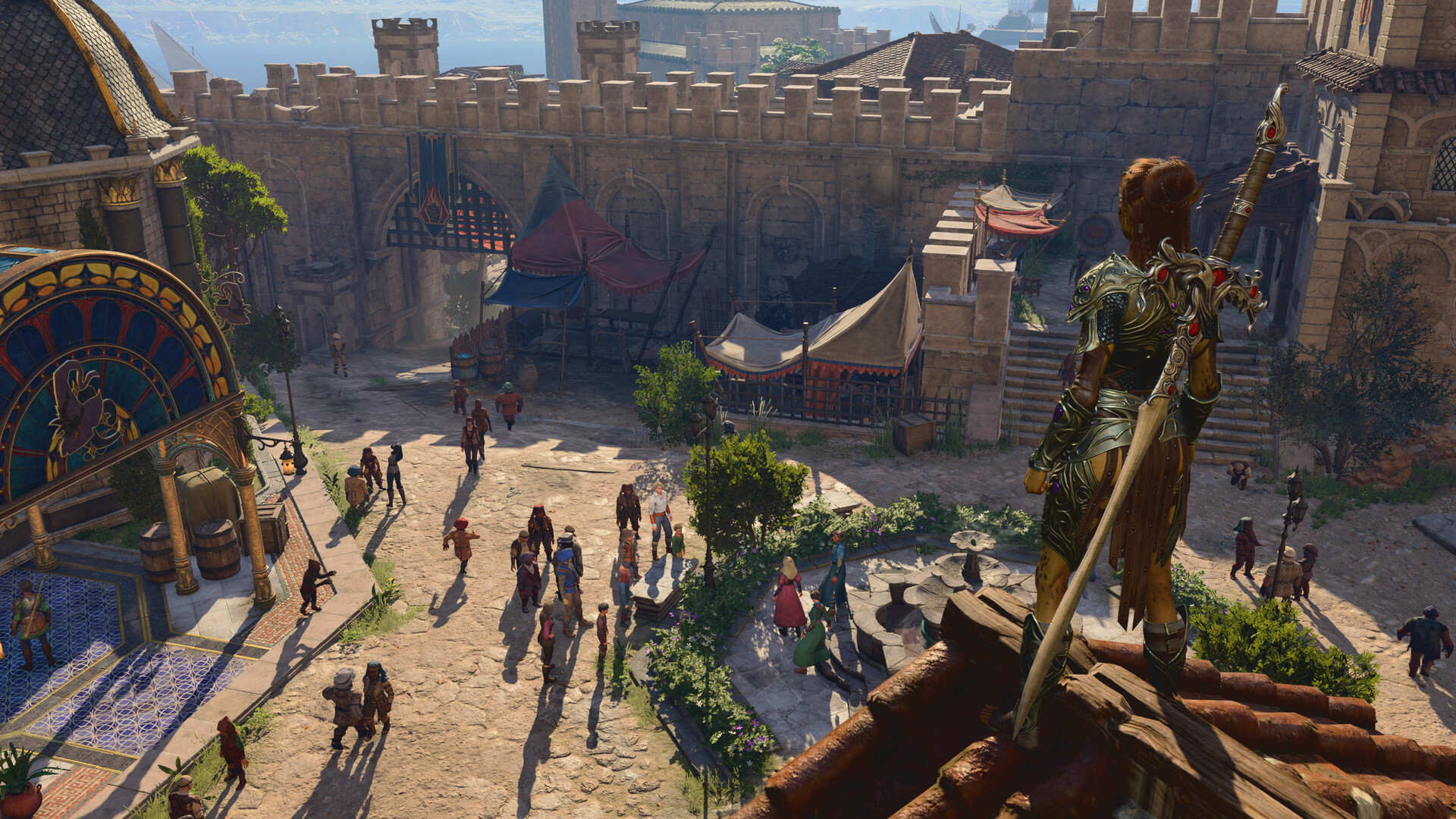
Baldur’s Gate 3 Astarion Beginner Guide
Quick Answer: Baldur’s Gate 3 Astarion is the vampire spawn rogue companion who excels at sneaking, lockpicking, and opening fights from stealth, making him one of the easiest early-game allies to build around.
Baldur’s Gate 3 is a story-rich, party-based RPG set in the universe of Dungeons & Dragons, where your choices shape the journey, and Astarion is one of the most useful early companions for new players. The game launched on Aug 3, 2023, and it has a strong reputation among players and critics alike, including a Metacritic score of 96 and 745155 recommendations on Steam Source.
First-hour checklist
Your first hour should focus on getting your party stable, recruiting key companions, and securing the tools that make exploration easier. The goal is not to “clear content fast,” but to build a comfortable foundation so you stop wasting consumables and missing important interactions.
Do these actions immediately
- Loot everything useful, not everything in sight. Pick up weapons, armor upgrades, scrolls, camp supplies, and alchemy ingredients, but avoid overloading your carry weight with junk.
- Recruit Astarion early if you can. His stealth, trap handling, and lockpicking make him a practical answer to many beginner problems, especially in early exploration and treasure rooms.
- Check every party member’s class and role. Make sure you have a frontliner, a ranged attacker, a support or caster, and a skill-focused character for dialogue and utility.
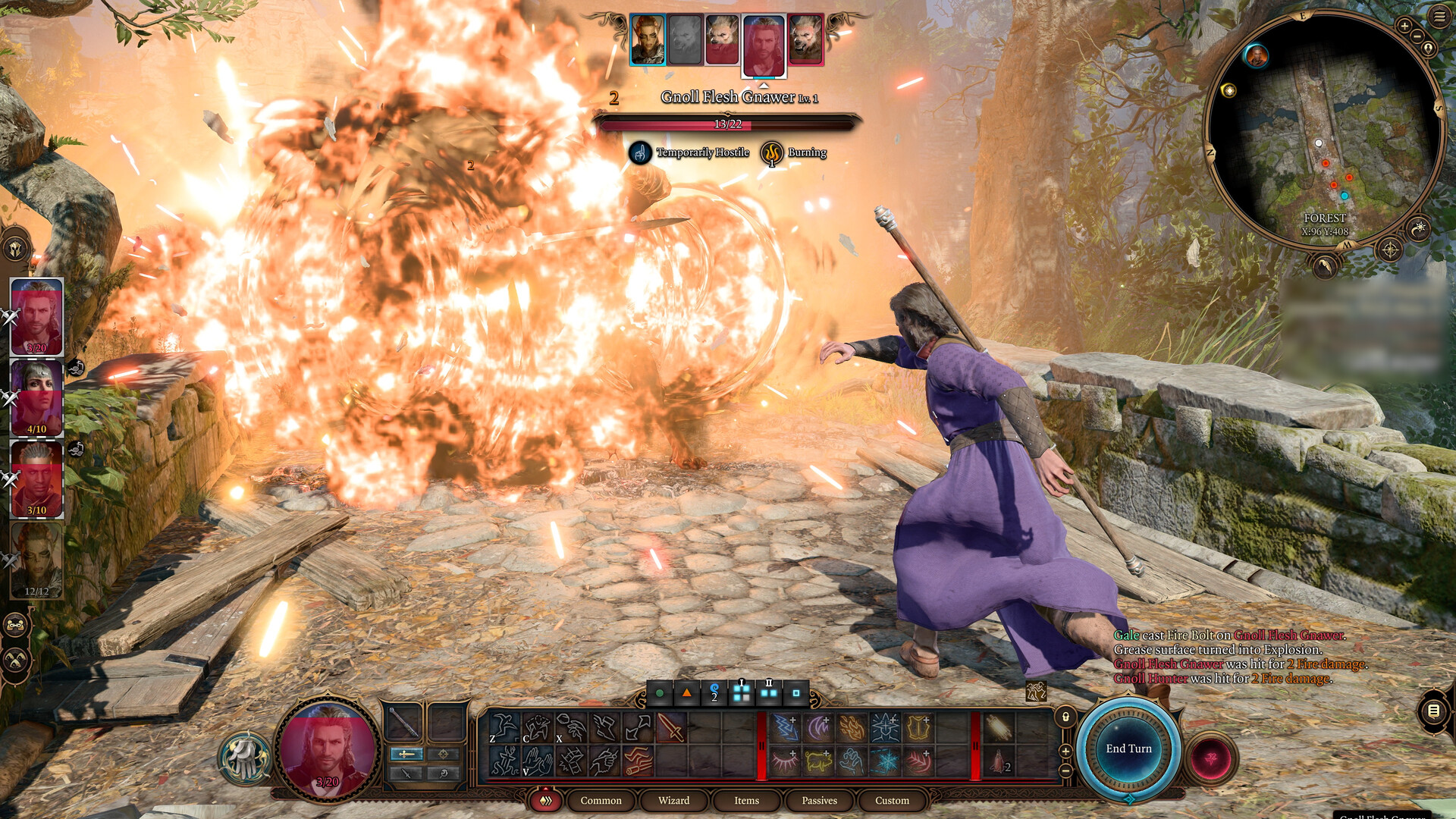
- Use stealth before walking into unknown areas. Positioning matters a lot in Baldur’s Gate 3, and starting fights from hidden positions often gives you a major advantage.
- Rest when your spell slots, class resources, or healing tools run low. New players often try to “save” resources too much; early resting is normal and expected.
- Talk to NPCs before assuming combat is the only solution. Many early encounters can be softened, bypassed, or improved through dialogue choices.
- Pick up camp supplies as you go. You will need them to rest efficiently, and running out at the wrong time slows down your progression.
What to do with Astarion early
Astarion is most valuable in the opening hours when your party lacks polished gear and reliable scouting. Treat him as a utility specialist first and a damage dealer second.
- Put him on stealth duty when entering dangerous rooms.
- Use him to pick locks and disarm traps instead of forcing everything with brute strength.
- Keep him out of open melee unless you have a strong reason to commit him.
- Position him for Sneak Attack opportunities, ideally when an ally is already engaged with the target.
- Carry a few ranged options so he can contribute safely when melee positioning is bad.
Resource priority order
Your most important resources in the early game are action economy, healing, camp supplies, and utility consumables, in that order. If you spend those well, your party becomes much more forgiving and Astarion’s strengths become easier to use.
What to spend first
| Priority | Spend On | Why it matters |
|---|---|---|
| 1 | Healing and recovery | Keeps the party moving without constant wipe risk |
| 2 | Essential gear upgrades | A better weapon or armor piece often matters more than selling loot |
| 3 | Scrolls and utility consumables | These solve problems your class loadout may not cover yet |
| 4 | Camp supplies | Enables resting, spell recovery, and safer exploration |
| 5 | Specialty arrows, poisons, and grenades | Strong in specific fights, but not worth wasting early |
| 6 | Luxury purchases | Respec tinkering, novelty items, or niche gear should come later |
What to hoard
- Strong consumables for boss or elite fights. Do not spend every scroll on a random hallway battle.
- Camp supplies. If you are unsure whether to rest, keep enough resources on hand to do it.
- High-value scrolls. Hold onto rare utility magic until a situation clearly justifies it.
- Special arrows and explosive tools. These are excellent when used deliberately, not as default attacks.
- Upgradeable gear for companions. Even if a piece is not ideal now, it may become useful when a character’s role changes.
What to craft or prepare first
- Healing items and basic survival tools if your party composition is shaky.
- Poison or coating options if you are building around stealth and opener damage.
- Trap-disarming and mobility solutions for areas with vertical terrain or hazard-heavy layouts.
- Camp routine habits so you do not forget to rest, reprepare spells, or reassign equipment before big encounters.
If you are using baldurs gate 3 astarion as a core companion, prioritize anything that improves stealth, positioning, or opening-turn damage. He is strongest when the rest of the party creates an advantage he can exploit.

Common newbie mistakes and how to fix them
New players usually struggle less with raw combat difficulty than with habits that waste turns, resources, or opportunities. Fixing a few early mistakes makes the game feel dramatically smoother.
1) Fighting every encounter head-on
Many beginners run straight into combat without scouting, positioning, or checking terrain. That often turns manageable fights into messy resource drains.
Fix:
- Enter unfamiliar areas in stealth when possible.
- Look for high ground, chokepoints, and cover before initiating combat.
- Open with Astarion or another stealth-capable character when an ambush is possible.
- Use the environment, not just attack commands.
2) Hoarding every resource until it is too late
Some players finish the early game with a full inventory of scrolls, potions, and special consumables because they were waiting for a “real” emergency.
Fix:
- Spend common consumables in ordinary fights if they prevent damage or secure a kill.
- Save only the rarest tools for clearly dangerous encounters.
- Rest when your class resources are low instead of trying to brute-force multiple fights on fumes.
- Treat consumables as part of your toolkit, not museum pieces.
3) Ignoring companion roles
A party where everyone tries to do the same job is usually weaker than a party with clear responsibilities. Beginners often equip everyone identically and miss the value of specialization.
Fix:
- Keep Astarion in the scout/utility role.
- Keep one character as your frontline absorber.
- Keep one character ready for ranged pressure or spell support.
- Let each companion cover a different kind of problem, such as dialogue, lockpicking, healing, or burst damage.
4) Skipping dialogue options too quickly
Baldur’s Gate 3 rewards conversation, persuasion, deception, intimidation, and sometimes simple patience. Clicking through dialogue can lock you into harder fights or worse outcomes.
Fix:
- Read NPC intent before committing to a response.
- Use the companion with the best relevant skill when possible.
- Try alternate dialogue branches if the first result looks risky.
- Remember that avoiding combat is often better than winning it.
5) Wearing gear only for raw numbers
Beginners often equip the item with the biggest visible stat bump, even if it breaks synergy or removes a useful passive effect.
Fix:
- Compare the full effect of the item, not just armor class or damage.
- Consider whether the gear supports stealth, mobility, spellcasting, or saving throws.
- For Astarion, prioritize equipment that helps him stay hidden, survive after a bad opener, or capitalize on Sneak Attack windows.
How to use Astarion well in the early game
Astarion is easiest to understand when you stop treating him like a simple backstab button and start treating him like a problem solver. His value comes from creating or exploiting advantages that other companions cannot create as easily.
Best early uses for Astarion
- Scouting ahead so the party does not walk into traps blind.
- Picking locks to save keys, time, and detours.
- Disarming traps before they drain health or force awkward positioning.
- Starting fights from stealth to gain the first tempo advantage.
- Finishing low-health enemies before they act again.
- Handling side objectives while the rest of the team holds the line.
Good habits when controlling him
- Keep him slightly separated from the main party when exploring.
- Use high ground or concealment whenever available.
- Do not leave him exposed after attacking unless you are sure the enemy cannot punish him.
- Pair him with allies who can create distraction, crowd control, or melee engagement.
- If a fight looks dangerous, use him to set the battlefield rather than to solo it.
When Astarion is not the right answer
Astarion is not always the best character to lead with. If you need raw survivability, heavy frontline pressure, or broad spell utility, another companion may be better for that specific encounter. The beginner mistake is not using him; it is forcing him into every role at once.
When you are out of the beginner phase
You are out of the beginner phase when you stop asking “what does this button do?” and start planning encounters around party synergy, resource timing, and terrain. At that point, Baldur’s Gate 3 stops feeling like a string of isolated fights and starts feeling like a systems game you can control.
Clear signs you have graduated
- You know when to rest and when to push on.
- You can build encounters around positioning and initiative instead of random damage.
- You understand which companion should handle scouting, dialogue, damage, and support.
- You no longer waste rare consumables on trivial fights.
- You can read a battle and immediately decide whether Astarion should open, flank, or stay hidden.
- You are comfortable adjusting tactics based on terrain, enemy type, and available resources.
What to focus on next
Once you are past the beginner stage, start leaning into build planning, party composition, and encounter optimization. That is where the game opens up the most, especially if you want to tune Astarion into a reliable striker or utility specialist rather than just a sneaky companion.
Next steps and related guides
Your next step is to move from general survival habits into targeted progression choices, party tuning, and quest routing. These topics matter most once you have the basics under control.
- Read the baldurs gate 3 warlock build on best beginner builds for a stronger early-game foundation.
- Read the related guide on party composition and companion roles if you want better synergy.
- Read the baldur's gate 3 on main story walkthrough for a safer route through early quests.
You might also like
- Baldur's Gate 3 Best Build: Open Hand Monk and Thief Rogue
- Baldur’s Gate 3 Best Builds Guide
- Baldur's Gate 3 Tier List
- Baldur’s Gate 3 Fun Builds: A Complete Build Guide
- Baldur’s Gate 3 Bard Build: Best Support, Control, and Damage Setup
Sources
- https://store.steampowered.com/app/1086940/
- https://en.wikipedia.org/wiki/Baldur's_Gate_(video_game)
You might also like
- Baldur’s Gate 3 Achievements Beginner Guide
- Baldur's Gate 3 Investigate the Suspicious Toys Beginner Guide
- Baldur's Gate 3 Investigate the Sel nite Resistance Beginner Guide
- Baldur's Gate 3 Beginner Guide
- Baldur's Gate 3 How to Cure the Poisoned Gnome: Beginner Guide
See also
- Baldur's Gate 3 Necromancer Build Guide
- Baldurs Gate 3 PS5 Beginner Guide
- Baldur's Gate 3 Build Guide: Paladin-Lock Smite Build
- Baldur's Gate 3 Monk Build
- Baldur's Gate 3 Builds: Best Core Build Guide
- Baldur's Gate 3 Treasure Pack Beginner Guide
- Baldur's Gate 3 Jaheira Build
- Baldur's Gate 3 Confront the Elder Brain: Beginner Guide
- Baldur's Gate 3 Karlach Build Guide
- Baldur's Gate 3 Builds Reddit: Best Build Guide
- Baldur's Gate 3 How to Rescue the Grand Duke Beginner Guide
- Baldur’s Gate 3 Beginner Guide: Dice, Early Progression, and Smart Starts
- Baldur's Gate 3 Build Guide: Build Ideas That Actually Work
- Baldur's Gate 3 Beginner Guide: Baldur’s Gate 3 Codes, Early Progress, and Smart Starts
- Baldur’s Gate 3 Find the Missing Letters Beginner Guide
See also
- Baldur's Gate 3 Build Guide: Best All-Rounder Party Carry
- Baldur's Gate 3 Gloves of Soul Catching Beginner Guide
- Baldur's Gate 3 Kill Raphael's Old Enemy Beginner Guide
- Baldur's Gate 3 The Blood of Lathander Beginner Guide
- Baldur’s Gate 3 How to Steal the Sacred Idol: Beginner Guide
- Baldur's Gate 3 How to Find Dribbles the Clown
- Baldur's Gate 3 Character Creation Beginner Guide
- Baldur's Gate 3 Find the Missing Shipment Beginner Guide
- Baldur's Gate 3 Save the Grymforge Gnomes Beginner Guide
- Baldur's Gate 3 Defeat the Duergar Intruders Beginner Guide
- Baldur's Gate 3 Steal a Githyanki Egg Beginner Guide
- Baldur’s Gate 3 Beginner Guide: Smart Start, Priority Resources, and Early-Game Mistakes
- Baldur's Gate 3 Solve the Open Hand Temple Murders: Beginner Guide
- Baldur's Gate 3 Beginner Guide: Baldur's Gate 3 Tips for Beginners
- Baldur's Gate 3 Rescue the Trapped Man Beginner Guide
Screenshots



Reviewed by
BG3 Hub Editorial
Expertise: Editorial team behind BG3 Hub. Content is compiled from official patch notes, community wikis, and playthrough notes, then reviewed and updated on schedule.
Sources
Baldur's Gate 3 Companions Guides →
Browse the complete companions collection and its focused guides.
Related Guides


🔥 Popular Guides
Baldur's Gate 3 achievements Guide
Complete BG3 achievements guide with rarest unlocks, missables, hidden trophies, and the best route to 100%.

Baldur's Gate 3 xbox mods disable achievements: Achievements Guide
Do BG3 mods disable achievements on Xbox? See rarest, missable, and hidden achievements plus a clean 100% route.
baldur's gate 3 achievements with mods steam deck
How to keep BG3 achievements working with mods on Steam Deck, plus rarest, missable, hidden achievements, and a full 100% route.
Baldur's Gate 3 How to Get to Moonrise Towers
Fast route to Moonrise Towers in BG3, including shadow curse protection, route steps, pitfalls, and verification.
📋 Patch Notes & Updates
🛠️ Popular Tools
Was this guide helpful?
Rate this guide so we can improve it.
Share your own tip
Found something not in the guide? Submit it below — our editors review every tip before publishing. No account required.