 Baldur's Gate 3
Baldur’s Gate 3 Beginner Guide: Getting Started Without Bricking Your Run
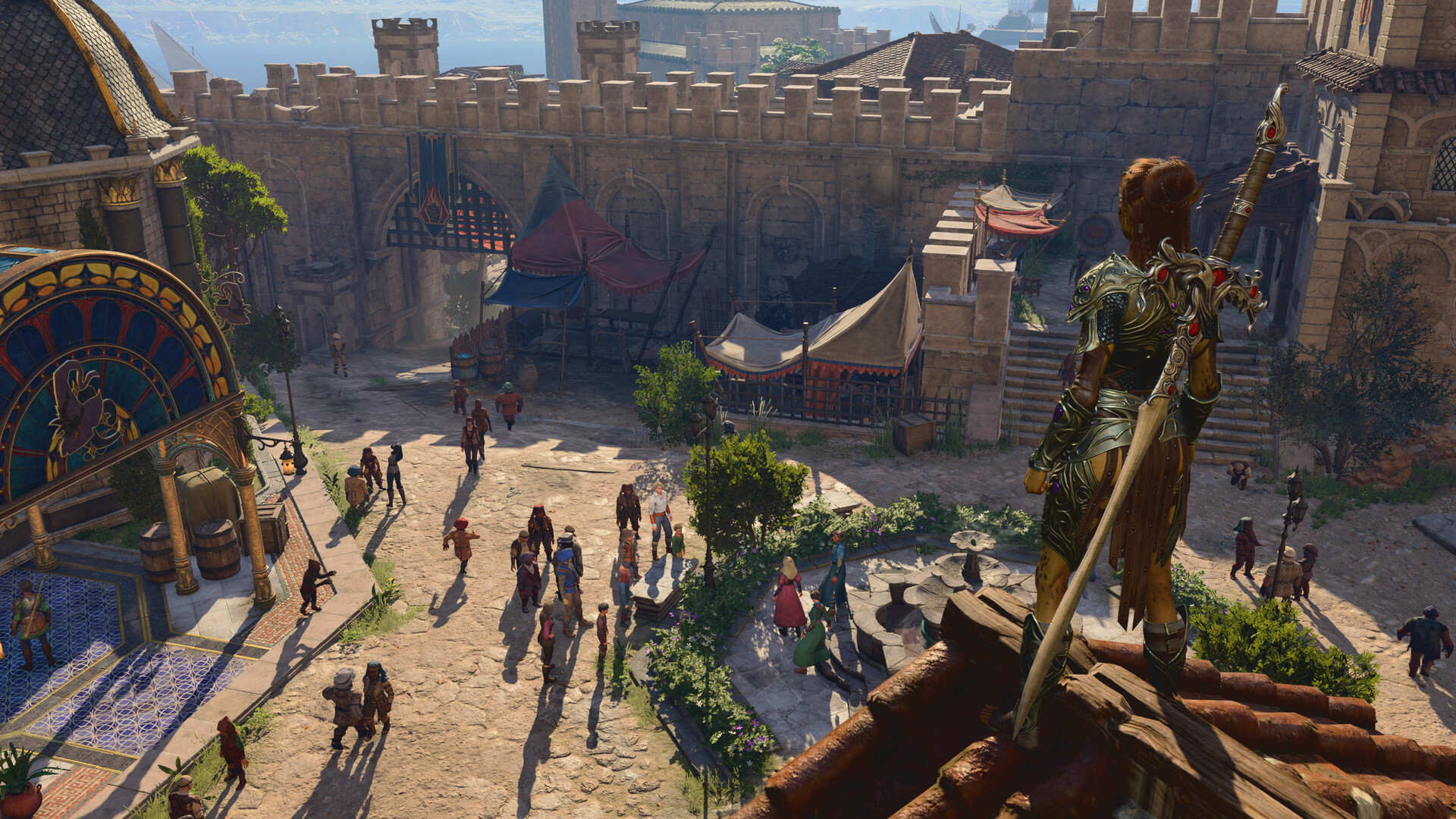
Quick Answer: If you need a baldurs gate 3 xbox code, buy it from an official retailer or platform store, then spend your first hour learning combat basics, recruiting companions, grabbing camp supplies, and avoiding risky fights until your party is ready.
Baldur’s Gate 3 is a story-rich, party-based RPG set in the universe of Dungeons & Dragons, where your choices shape everything from combat to companion relationships Source. That means the game rewards curiosity, but it also loves to punish “I’ll just wing it” energy. Very rude, honestly.
What Baldur’s Gate 3 actually asks of a beginner
Baldur’s Gate 3 asks you to think like a planner, not a button-masher. Your first job is not to find the fanciest sword or the most chaotic dialogue option. Your first job is to understand how the game’s core loop works: explore, talk, fight, loot, rest, and then make choices that ripple forward. The whole thing is built around your party, your resources, and your willingness to read the room instead of charging into it like a caffeinated goblin.
The important beginner truth is that BG3 is generous in some ways and brutally honest in others. It lets you solve problems through stealth, dialogue, spellcasting, explosives, terrain, or pure violence, but it rarely does the work for you. If you ignore positioning in combat, you get deleted. If you ignore camp supplies, long rests become awkward. If you spread your gear too thin, your party feels weak even when your inventory looks rich. If you rush conversations, you can miss companions, merchants, or quest routes that would have made the early game much smoother.
A lot of new players also come in from the phrase “baldurs gate 3 xbox code” and expect a simple redemption-and-play experience. The code part is easy; the game part is where the learning curve lives. Once you’re in, the early game is less about knowing everything and more about setting up habits that will carry you through the entire adventure.
Here are the three beginner pillars to keep in mind:
- Positioning matters more than raw stats early on.
- Conversation can be as powerful as combat.
- Your party is your build, not just your character sheet.
If that sounds a little intimidating, good news: the game is very teachable once you know what to focus on first. The rest of this guide is about making your opening hours smoother so you don’t accidentally turn your party into a cautionary tale.
First-hour checklist
Your first hour in Baldur’s Gate 3 should be spent building stability, not chasing every shiny thing on the beach. The best opening routine is to recruit a few companions, learn basic controls, secure camp supplies, and pick fights only when you understand the terrain. That gives you a real foundation instead of a tragic montage of reloads.
1) Create a character you actually want to play
Pick a class that sounds fun, not one that sounds “optimal on a spreadsheet somewhere.” The early game is much easier when you enjoy your turn order.
Good beginner-friendly examples include:
- Fighter if you want simple, reliable combat with fewer moving parts.
- Cleric if you want healing, support, and some sturdy battlefield presence.
- Wizard or Sorcerer if you want magic, but are willing to manage positioning and spell slots.
If you’re unsure, a forgiving frontline class like Fighter or Paladin is usually easier to learn than a fragile caster. You can always respec later if you want to experiment more aggressively. That flexibility is part of why the game is so beginner-friendly once you stop treating your first pick like a life sentence.
2) Loot the nautiloid and the crash site carefully
In the opening area, search the room, corpses, containers, and side rooms before sprinting onward. You’re looking for:
- Weapons and armor upgrades
- Healing consumables
- Scrolls and utility items
- Anything that improves your first few fights
Two practical examples: grabbing a better weapon for Lae’zel makes her early attacks much more reliable, and finding basic healing potions helps you survive awkward encounters before you have a strong support routine. Even “small” upgrades matter when everyone is still wearing starter-level gear.
3) Recruit companions as soon as they appear
You want a party, not a solo sad walk across the coast. Early companions give you more actions per round, more class coverage, and more dialogue options.
Look for early companions like:
- Shadowheart for support and utility
- Astarion for stealth and lockpicking
- Lae’zel for front-line pressure
- Gale for ranged magic
You do not need to perfectly understand each one right away. Just recruit them, talk to them, and get used to switching between party members. Even if you plan to customize later, the early value is huge.
4) Learn the turn order and terrain
Before you take a real fight, inspect elevation, choke points, explosive barrels, ladders, and ledges. Baldur’s Gate 3 absolutely loves letting you win by:
- Knocking enemies off cliffs
- Fighting from high ground
- Bottlenecking enemies through doorways
- Starting fights from stealth
A classic example is using a doorway to stop enemies from surrounding your backline, or standing on a ledge so ranged characters can safely rain damage down below. Think of the battlefield like a puzzle with swords.
5) Set your camp habits early
Camp is not just where you nap between adventures. It’s where you:
- Restore resources with long rests
- Talk to companions
- Move gear around
- Manage story progression
If you find a useful potion, scroll, or ring, check whether it belongs on a companion who actually uses that tool well. That simple habit prevents a lot of beginner bloat where everyone is carrying random junk “just in case.”
6) Save often, and save before dialogue
This is not a “play it once and see what happens” game if you want to learn efficiently. Save before:
- Entering suspicious ruins
- Speaking to major NPCs
- Testing an obviously dangerous lever
- Starting a fight you are not sure you can win
That doesn’t mean you should fear consequences. It just means you’re learning the game, and the game is happiest when it can surprise you without wasting your whole evening.

You might also like
- Baldur’s Gate 3 Best Beginner Builds Guide
- Baldur’s Gate 3 Bard Build: Best Support, Control, and Damage Setup
- Baldur's Gate 3 Build Guide: Build Ideas That Actually Work
- Baldur’s Gate 3 Beginner Guide: Smart Start, Priority Resources, and Early-Game Mistakes
- Baldur's Gate 3 Builds Reddit: Best Build Guide
Resource priority order
Your resource priority in Baldur’s Gate 3 should be party survival first, convenience second, and long-term optimization third. That means you spend on immediate strength, hoard rare upgrade materials and special consumables, and only craft or consume things when they solve a real problem. Early hoarding without purpose is just inventory clutter wearing a fake mustache.
The safest early spending priorities
Healing and survival consumables
- Potions of Healing
- Scrolls that fill gaps in your party
- Camp supplies if you’re short on rest resources
Weapon and armor upgrades for core party members
- A better bow for your ranger or rogue
- A sturdier chest piece for your frontliner
- Anything that raises hit chance or survivability
Utility items
- Lockpicks and thieves’ tools
- Antidotes or resistance items when needed
- Scrolls for niche situations
Camp and convenience gear
- Things that help with exploration
- Items that improve dialogue, mobility, or vision
Long-term crafting or “maybe later” items
- Rare ingredients
- Special components you do not understand yet
- One-off curiosities that don’t solve a current problem
What to hoard instead of spending
A beginner should usually hold onto:
- Rare scrolls
- Uncommon potions
- Unique quest items
- Ingredients with unclear use
- Anything that seems obviously tied to a story event
If you’re staring at a strange item and thinking, “I’ll figure this out later,” that is often the correct move. Baldur’s Gate 3 loves hiding value in things that look disposable. It’s the RPG equivalent of finding out your weird attic box was full of useful stuff after all.
What to use immediately
Use these early and often when the need is real:
- Healing potions when a character might go down next turn
- Scrolls when a fight calls for a spell your party lacks
- Grenades, fire, and environmental tools when a fight is already chaotic
- Inspiration-adjacent story choices that fit your build and character concept
For example, if your party lacks a good ranged attack against a flying target, a scroll or consumable can solve the problem instantly. If your rogue needs to pick a locked chest before a patrol comes back, using tools now is better than saving them for a hypothetical future that may never happen.
A simple beginner spending model
| Priority | Spend On | Why It Matters | Beginner Example |
|---|---|---|---|
| High | Healing and survival | Prevents wipeouts | Potions before the goblin ambush |
| High | Core gear upgrades | Boosts combat consistency | Better armor for Lae’zel |
| Medium | Utility tools | Solves exploration problems | Thieves’ tools for locked doors |
| Medium | Scrolls and situational items | Fills party gaps | A spell scroll when nobody knows that spell |
| Low | Rare hoards and mystery items | Better saved until you understand them | Unidentified oddities and late-game components |
Crafting and resting advice
If you are crafting or consuming something just because your inventory is full, pause and ask whether that item solves a current problem. In the first part of the game, the answer is often “maybe not.” Resting is similar: don’t panic-hoard resources into oblivion, but don’t spend everything just because you can. The sweet spot is using enough to keep momentum without burning your strongest tools on a trivial encounter.
If you want a simple rule, use this one: spend common resources freely, spend rare resources deliberately, and spend unique resources only when the payoff is immediate or the story clearly wants it.
Common Mistakes
New players usually lose time in Baldur’s Gate 3 by making the same five mistakes, and each one has a clean fix if you catch it early. The good news is that none of these are fatal on their own. The bad news is that they can stack up like bad weather.
1) Treating every fight like a fair duel
Players do this because other RPGs often teach “stand and trade.” BG3 does not care about fair. It cares about advantage.
Fix: Start fights from stealth, use height, close doors, shove enemies, and drop explosive objects when the map allows it. Example: a ranged character on a ridge can do more work than two people standing in the open like they’re posing for a dramatic oil painting.
2) Ignoring party synergy
New players often build four unrelated characters and then wonder why combat feels awkward. The issue is usually not power; it’s coordination.
Fix: Give your party a shared plan. For example:
- Lae’zel holds the front line
- Shadowheart supports with buffs or healing
- Astarion handles sneaking and opening locked areas
- Gale attacks from range or controls enemy movement
That way, your team has jobs instead of vibes.
3) Selling or using everything too early
People do this because the inventory gets messy fast, and “cleaning” feels productive.
Fix: Keep one copy of unusual consumables, hold onto rare scrolls, and check item descriptions before dumping loot at the merchant. If you find a weird artifact or an obviously special quest item, leave it alone until you know what it does.
4) Skipping companion conversations
This mistake happens because some players want to stay in action mode and treat camp like optional downtime.
Fix: Talk to companions after major events, after new recruits, and after big area changes. Example: Shadowheart, Astarion, and Gale all react to story progress and can reveal useful context, quests, or relationship changes. You can miss a lot by only speaking when the game forces you to.
5) Burning spell slots like they are unlimited
New casters often spend powerful spells on the first enemy they see, then arrive at the real fight with empty pockets and regret.
Fix: Use cantrips, weapons, or lower-cost options when the fight is minor, and save big spells for high-value turns. If a combat has one dangerous elite enemy and three weak adds, that’s usually a better place for your heavy spell than a random road encounter.
6) Forgetting to inspect the battlefield
This happens because players want to act fast, especially after a long cutscene or tense dialogue.
Fix: Before ending each turn, check enemy movement ranges, surfaces, ledges, and hazards. A puddle of grease, a patch of fire, or a tight corridor can completely change the fight. The map is part of your toolkit.
Pro Tips
Advanced play in Baldur’s Gate 3 starts when you stop thinking only about damage and start thinking about action economy, positioning, and information. These tips go beyond the obvious “use healing” advice and help you play smarter even before you fully understand every system.
Tip 1: Use shove and throw like real combat tools
If an enemy is standing near a ledge, a chasm, or a bad position, shove them instead of trying to out-DPS them. Throwing objects or even enemies can also break formation and create chaos in your favor. This is especially useful in cramped goblin camps, cliffside roads, and stair-heavy encounters where movement matters as much as damage.
Tip 2: Pre-position before dialogue that might trigger combat
If you suspect a conversation could turn violent, move your party before the cutscene or dialogue ends. Put your ranged characters on high ground and your melee characters near cover or chokepoints. That single habit can swing fights at places like the goblin camp, the entrance to dangerous ruins, or any tense negotiation that looks like it might explode.
Tip 3: Split tasks across party members
One character should not be your everything machine unless you have a very specific build idea. Let Astarion handle locks and traps, let Shadowheart manage support, let Gale handle ranged control, and let your frontliner absorb attention. This is less glamorous than making one super-character, but it makes the whole team stronger.
Tip 4: Keep a utility spell or scroll ready for strange problems
A fight may look simple until a flying enemy, darkness effect, difficult terrain, or locked route changes the puzzle. Keep a few tools for weird scenarios:
- A mobility option for crossing gaps
- A light source for dark areas
- A control spell for clustered enemies
- A backup healing option when a key ally drops
The game loves “one weird trick” solutions almost as much as it loves dramatic betrayal.
Tip 5: Long rest when the story or resources tell you to
If your spell slots are gone, your party is battered, or you’ve just done a major quest beat, rest. Many beginners over-save resources out of fear and then play the game at half-power for no reason. Resting at the right time is not weakness; it is basic party management.
Tip 6: Use dialogue checks to support your build identity
If your character is built for persuasion, deception, intimidation, or insight, lean into those options. You do not need every conversation to end in combat. Some of the best beginner gains come from talking your way into better outcomes, safer routes, or free information. That is also where the roleplaying part of this RPG really shines.
Graduation threshold
You are out of the beginner phase when you can consistently build a functional party, win ordinary fights without panic, and make story choices with intent instead of guessing. That shift usually happens when the game stops feeling like a blur of menus and starts feeling like a toolkit you know how to use.
The clearest signs you’ve graduated are practical, not glamorous. You know which companion handles what job. You recognize when to rest. You can read a battlefield and predict whether a fight is about to be messy. You know that a scroll is not “junk,” but a flexible answer to a problem. You also stop asking “what does this class do?” every ten minutes and start thinking “how do I make this party work together?”
A few specific benchmarks tell you you’re there:
- You can enter a new area and immediately identify terrain advantages.
- You use consumables without feeling like you’re throwing away treasure.
- You can survive at least a few fights without reloading every time something unexpected happens.
- You understand how your party roles fit together.
- You’re making decisions based on the current encounter instead of generic RPG habits.
Examples of beginner-to-intermediate growth:
- You stop sending Astarion into every fight first and instead use him to scout, pick locks, or start combat on your terms.
- You stop hoarding every healing potion and start using one to keep a key character from dropping.
- You stop ignoring camp dialogue and begin checking in with companions after major story events.
Another way to think about it: when you no longer feel lost after the game gives you multiple ways to solve a problem, you’re past the beginner stage. At that point, the game opens up in a big way. You can experiment with multiclassing, more specialized party roles, stealth openings, dialogue-heavy runs, or weirdly specific builds that only make sense after you understand the basics.
If you want to push beyond that point, the next step is not “memorize everything.” It’s “pick a playstyle and refine it.” That’s where things get deliciously dangerous.
Related Guides
These sibling guides are the natural next read once you’re comfortable with the basics:
- Baldur’s Gate 3 Best Beginner Classes
- Baldur’s Gate 3 Companions and Approval Guide
- Baldur’s Gate 3 Early Game Walkthrough
- Baldur’s Gate 3 Best Early Builds
- Baldur’s Gate 3 Combat Basics Guide
- Baldur’s Gate 3 Lockpicking and Stealth Guide
FAQ
Is Baldur’s Gate 3 hard for beginners?
Yes, but in a fair way, because the game teaches systems through practice rather than hand-holding. Once you understand party roles, positioning, and resource management, the difficulty becomes much more manageable.
Should I use the first class I pick forever?
No. Your first class is a starting point, not a vow. BG3 lets you learn, adjust, and eventually respec if you want to try another approach.
Do I need to fight every enemy I see?
No. Some encounters are better handled through dialogue, stealth, or environmental tricks. Fighting everything head-on is a good way to invent unnecessary suffering.
How important are companions?
Very important. Your companions are not just story flavor; they are a major part of your combat power, exploration options, and roleplay choices.
What should I do if I’m stuck in a fight?
Pause, inspect the terrain, check enemy positions, use consumables, and try a different angle. A lot of “impossible” fights become manageable once you stop treating them like a straight damage race.
Sources
- https://store.steampowered.com/app/1086940/
- https://en.wikipedia.org/wiki/Baldur's_Gate_(video_game)
See also
- Baldur's Gate 3 Build Guide: Paladin-Lock Smite Build
- Baldur's Gate 3 Character Creation Beginner Guide
- Baldur’s Gate 3 Achievements Beginner Guide
- Baldur's Gate 3 Update Explained
- Baldur's Gate 3 Treasure Pack Beginner Guide
- Baldur's Gate 3 Build Guide: Best All-Rounder Party Carry
- Baldur's Gate 3 Beginner Guide: Baldur’s Gate 3 Codes, Early Progress, and Smart Starts
- Baldur's Gate 3 Warlock Build Tier List: Best Pacts, Subclasses, and Party Roles
- Baldur's Gate 3 Builds: Best Core Build Guide
- Baldur’s Gate 3 Astarion Beginner Guide
Screenshots


Reviewed by
BG3 Hub Editorial
Expertise: Editorial team behind BG3 Hub. Content is compiled from official patch notes, community wikis, and playthrough notes, then reviewed and updated on schedule.
Sources
Related Guides
%27/><stop offset=%271%27 stop-color=%27hsl(80,50%,18%)%27/></linearGradient></defs><rect width=%27460%27 height=%27215%27 fill=%27url(%23g)%27/><text x=%27230%27 y=%27115%27 text-anchor=%27middle%27 font-family=%27sans-serif%27 font-size=%2724%27 font-weight=%27700%27 fill=%27rgba(255,255,255,0.85)%27>App 1086940</text><text x=%27230%27 y=%27142%27 text-anchor=%27middle%27 font-family=%27sans-serif%27 font-size=%2711%27 fill=%27rgba(255,255,255,0.6)%27>no image yet</text></svg>)
🔥 Popular Guides
Baldur's Gate 3 Ceremonial Practices for Initiate Umberlants
Book guide to Ceremonial Practices for Initiate Umberlants, including what it is, where to find it, and how it compares to ritual spells.
Baldur's Gate 3 areas hidden missed act 2
Find the hidden and easily missed Act 2 areas in BG3, including Reithwin Town, Moonrise Towers, and the Shadowfell point of no return.
Baldur's Gate 3 How to Get to Moonrise Towers
Fast route to Moonrise Towers in BG3, including shadow curse protection, route steps, pitfalls, and verification.
Baldur's Gate 3 achievements Guide
Complete BG3 achievements guide with rarest unlocks, missables, hidden trophies, and the best route to 100%.
📋 Patch Notes & Updates
🛠️ Popular Tools
Frequently Asked Questions
Quick answers from the guide · click a question to expand.
Is Baldur’s Gate 3 hard for beginners?
Yes, but in a fair way, because the game teaches systems through practice rather than hand-holding. Once you understand party roles, positioning, and resource management, the difficulty becomes much more manageable.
Should I use the first class I pick forever?
No. Your first class is a starting point, not a vow. BG3 lets you learn, adjust, and eventually respec if you want to try another approach.
Do I need to fight every enemy I see?
No. Some encounters are better handled through dialogue, stealth, or environmental tricks. Fighting everything head-on is a good way to invent unnecessary suffering.
How important are companions?
Very important. Your companions are not just story flavor; they are a major part of your combat power, exploration options, and roleplay choices.
What should I do if I’m stuck in a fight?
Pause, inspect the terrain, check enemy positions, use consumables, and try a different angle. A lot of “impossible” fights become manageable once you stop treating them like a straight damage race.
Was this guide helpful?
Rate this guide so we can improve it.
Share your own tip
Found something not in the guide? Submit it below — our editors review every tip before publishing. No account required.