 Baldur's Gate 3
Baldur's Gate 3 Beginner Guide: Baldur's Gate 3 Tips for Beginners

Quick Answer: Focus on positioning, rest often, keep a balanced party, save consumables for hard fights, and talk to everyone. The best baldurs gate 3 tips for beginners are to learn the systems slowly and avoid rushing the main quest.
First-Hour Checklist
Your first hour in Baldur's Gate 3 should be spent stabilizing your party, learning the interface, and collecting early advantages.
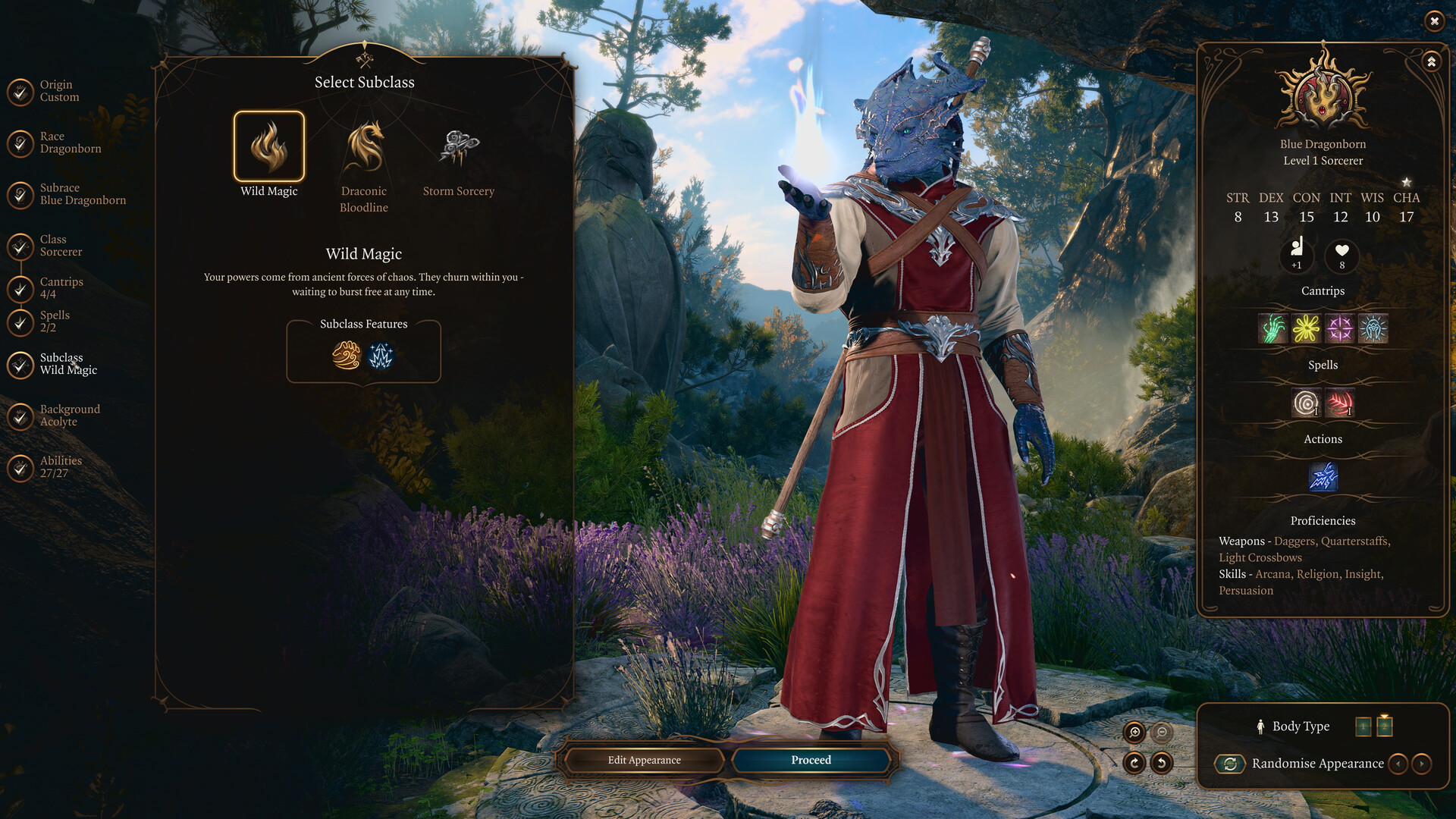
- Finish character creation with a class you can understand quickly. A straightforward martial class or a simple spellcaster is easier to learn than a complex hybrid on a first run.
- Explore the Nautiloid carefully and loot everything useful. Early potions, scrolls, weapons, and armor matter more than they look because the game is front-loaded with small but meaningful advantages.
- Recruit the first companions you can and read what each one does in combat. The game is party-based, so your early success depends on how well your roles fit together.
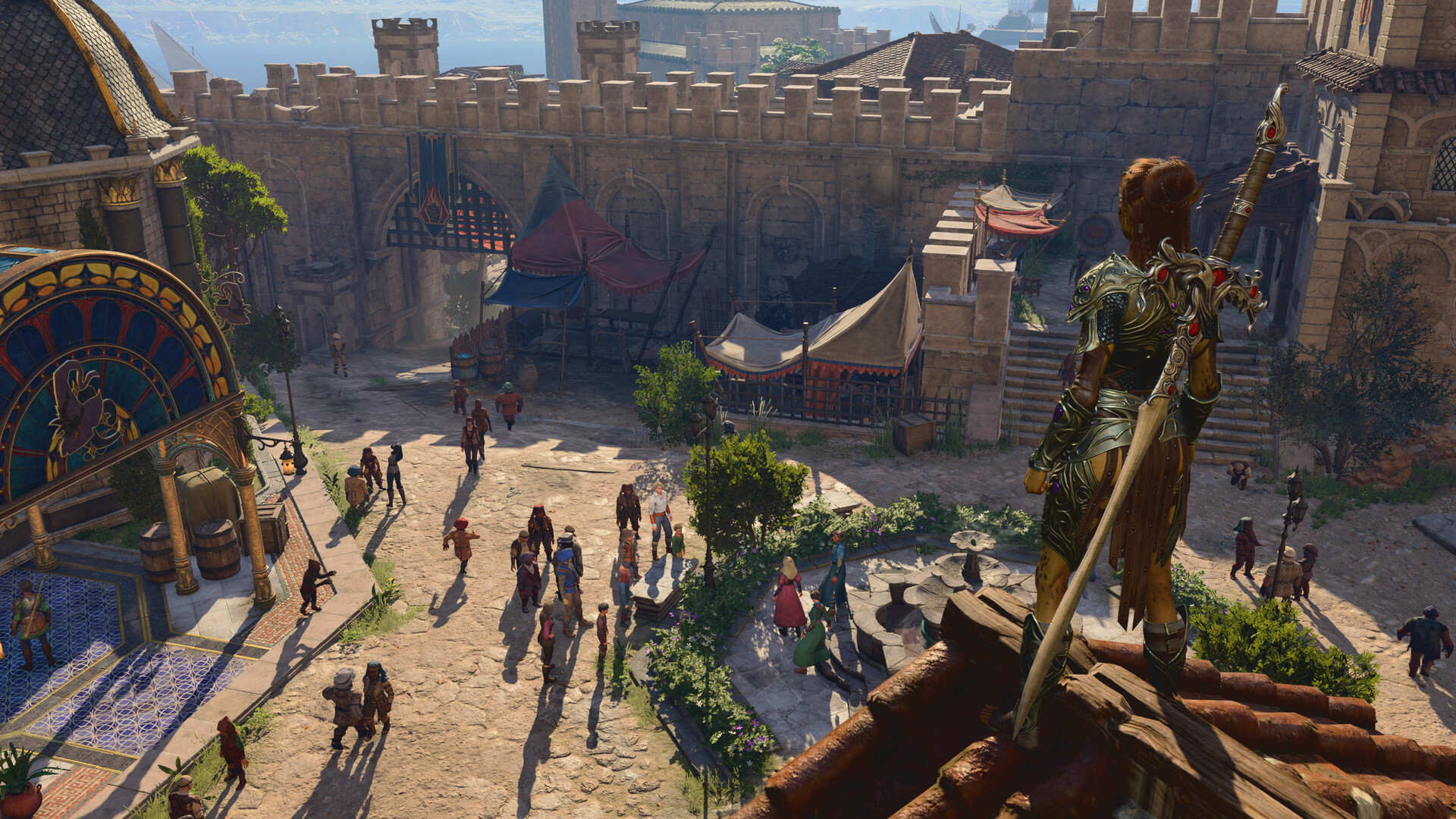
- Use high ground whenever possible. Ranged attacks and spells are stronger when you control elevation and line of sight.
- Learn the basics of stealth, shove, jump, and thrown items. BG3 rewards creative use of the environment as much as raw damage.
- Save the game often, especially before dialogue choices, new areas, and suspicious doors or ladders.
- Long rest when your party is low on resources. The game is designed around rest cycles, and many scenes, buffs, and companion moments advance through camp.
- Talk to NPCs and inspect containers instead of sprinting past them. Early information often matters more than early combat.
What to Learn Immediately
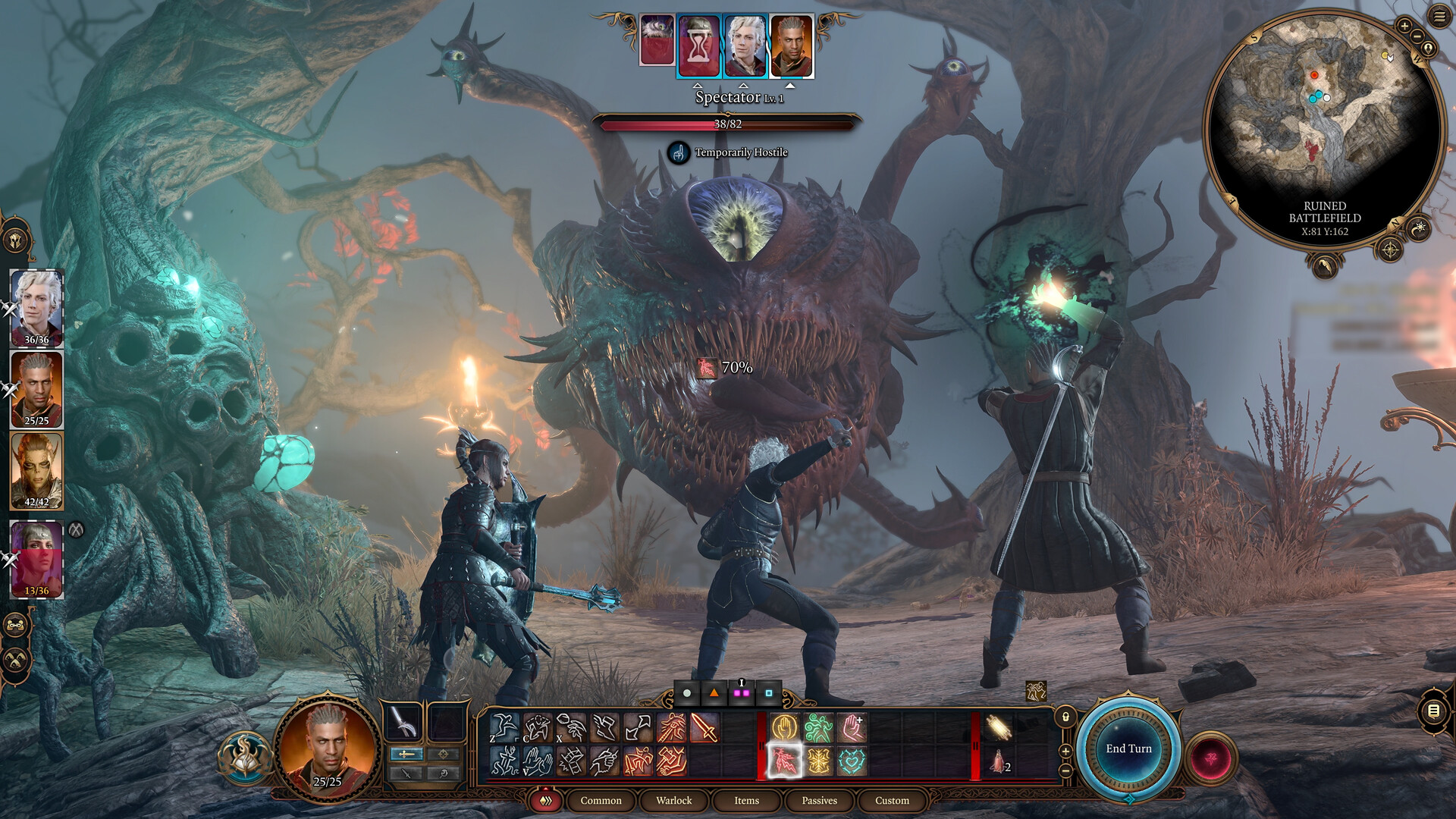
The first few encounters are really about understanding the rules of engagement.
- Action economy: one extra good turn matters more than a slightly stronger build.
- Advantage and disadvantage: positioning can swing a fight more than gear does.
- Concentration: many powerful spells compete for the same slot, so avoid stacking them badly.
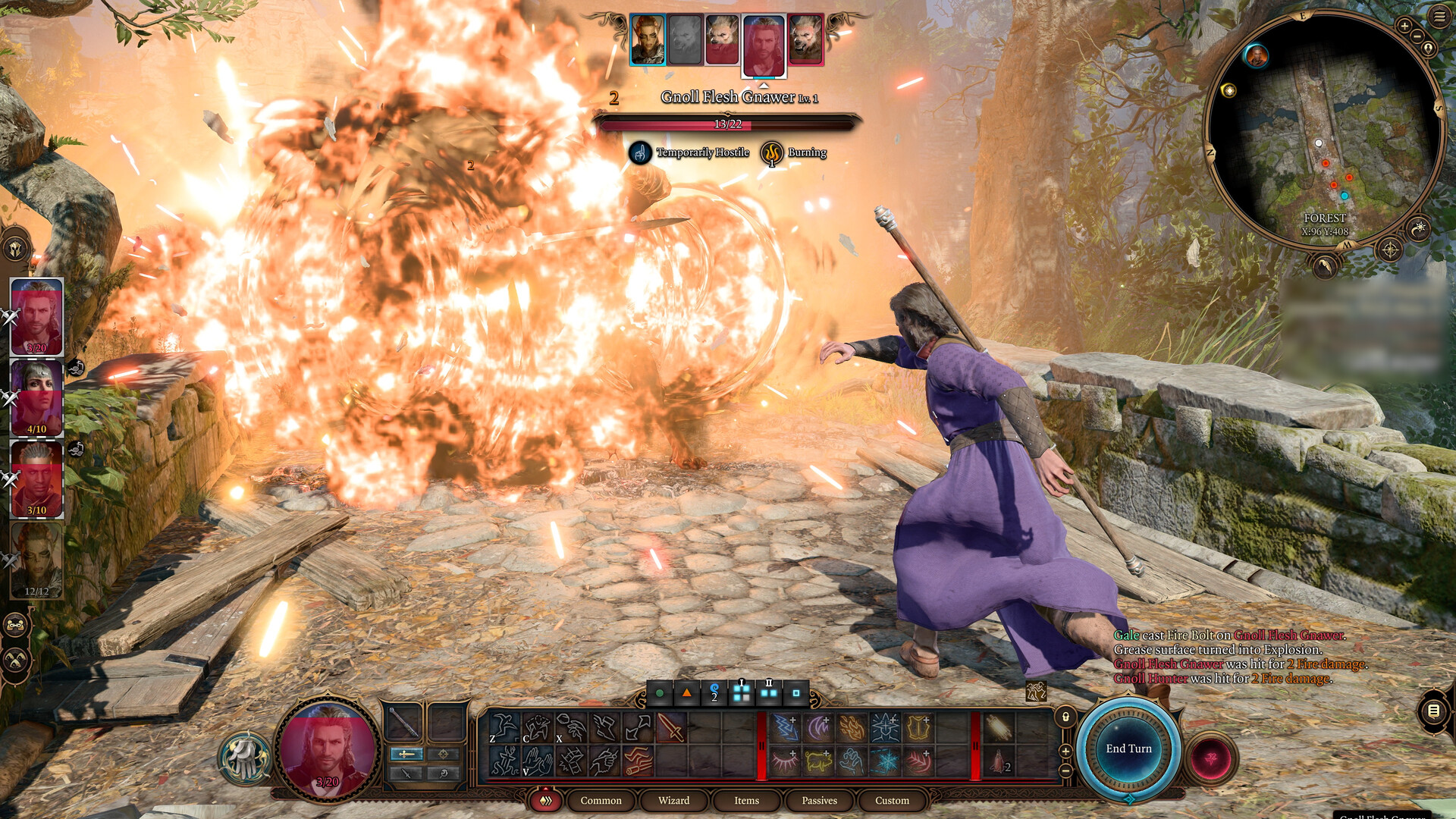
- Surface effects: fire, grease, poison, and water can help or hurt depending on placement.
Resource Priority Order
You should spend gold, consumables, and upgrade materials cautiously at first, and hoard anything that solves a hard problem later.
| Priority | Spend on | Hold back on |
|---|---|---|
| 1 | Basic healing, revival tools, and essential camp supplies | Rare consumables used in unknown fights |
| 2 | Stronger armor and weapons for your main party members | Sidegrade gear with only minor stat changes |
| 3 | Utility items such as scrolls, antidotes, and throwing tools | Vendor junk you have not priced against future needs |
| 4 | Respecs or build experiments once you understand the system | Early gambling on niche builds you do not yet know how to pilot |
Gold Priorities
Gold is best used to keep the party functional rather than fancy.
- Buy equipment that improves survival, initiative, or accuracy before chasing niche bonuses.
- Keep enough gold for emergency healing and resurrection.
- Sell unused loot regularly so your inventory does not become a tax on your attention.
- Compare shop items against what your current party actually uses, not against theoretical best-in-slot ideas.
Consumables and Crafting
Consumables are strongest when they solve a problem you cannot safely solve with a normal turn.
- Use healing potions when someone is at risk of going down, not after they are already safe.
- Save scrolls for fights where a single control spell can turn the battle.
- Keep grenades, arrows, and similar tools for clustered enemies or hard targets.
- If you are crafting or combining items, prioritize anything that restores resources, removes status effects, or gives battle control.
What to Hoard
You should hold onto a few categories longer than new players usually do.
- Scrolls that teach or replicate strong spells.
- Rare potions and elixirs.
- Keys, quest items, and anything the game clearly marks as important.
- Gear with unusual passive effects, even if the raw numbers look mediocre.
Common Newbie Mistakes
Most beginner problems in BG3 come from treating it like a standard action RPG instead of a tactical party RPG.
1. Pushing forward without resting
Many new players save resources too aggressively and then enter major fights depleted.
- Fix: long rest earlier than feels natural, and use camp to reset the party before tough story beats.
- Fix: stop treating spell slots and class resources like emergency-only tools; the game expects you to spend them.
2. Ignoring positioning
Standing in the open makes even easy encounters harder than they need to be.
- Fix: put ranged characters on high ground.
- Fix: move melee characters into chokepoints, doorways, or flanks.
- Fix: reposition before attacking if a better angle improves hit chance or safety.
3. Spreading upgrades across everyone equally
A small upgrade on every party member is usually weaker than making your core damage dealers and front line reliably effective.
- Fix: equip your main attackers first, then support, then situational backups.
- Fix: choose one or two characters to hold the best weapons and armor early on.
- Fix: do not waste gold on gear for characters you rarely field.
4. Hoarding all consumables until the credits roll
Players often finish the game with a backpack full of items they were meant to use.
- Fix: spend consumables on fights that threaten progress.
- Fix: treat scrolls and throwables as part of your combat kit, not emergency museum pieces.
- Fix: use special arrows, bombs, and potions to secure hard turns or save a downed ally.
5. Skipping dialogue and exploration
BG3 hides major rewards and useful context behind conversation and discovery.
- Fix: talk to NPCs more than once when the situation changes.
- Fix: inspect side paths, basements, rooftops, and hidden passages.
- Fix: read quest updates and item tooltips before assuming a problem is purely combat-related.
How to Build Good Habits Early
You will improve faster if you build a few repeatable habits instead of memorizing every encounter.
- Open fights from stealth when it gives you a clean first turn.
- Examine enemies when a battle looks unusual so you understand resistances, immunities, and conditions.
- Keep one party member ready to help with locks, traps, and exploration utility.
- Rotate between direct damage and control instead of trying to damage every turn.
- Use camp conversations to learn how companions react to your decisions.
Graduation Threshold
You are out of the beginner phase once you can handle fights, gear, and party management without second-guessing the basics.
You have likely moved past beginner status when you can do the following consistently:
- Build a party that covers damage, control, healing, and utility.
- Read a fight at a glance and know who should move first.
- Spend gold and consumables without feeling lost.
- Recognize when to rest, when to push on, and when to retreat from a bad engagement.
- Make dialogue choices without worrying that every conversation is a permanent trap.
A practical benchmark is that you no longer need to pause every few minutes to remember what each button or status effect does. At that point, the game shifts from survival and learning to optimization and build expression.
Next Steps
Once the basics click, you should move into more specific guidance for your class, difficulty, and chosen companions.
- related guide for class and build planning
- open hand temple murders for companion and party setup
- related guide for a spoiler-light walkthrough route
Why BG3 Rewards Patient Play
Baldur's Gate 3 is a story-rich, party-based RPG set in the universe of Dungeons & Dragons, and that structure rewards careful decisions more than speed. HowLongToBeat reports roughly 72.71 hours for the main story and 179.74 hours for completion, which is a good sign that the game is meant to be lived in rather than rushed through Source. Steam's current review summary is Overwhelmingly Positive at 96.8% positive across 848142 reviews Source, which matches what most players experience: a deep game that pays off once the systems settle in.
That scale is why baldurs gate 3 tips for beginners should emphasize fundamentals instead of advanced optimization. Learn the party rules, respect action economy, and spend your resources when they solve real problems. The game opens up quickly once those habits are in place.
Sources
Screenshots

Reviewed by
BG3 Hub Editorial
Expertise: Editorial team behind BG3 Hub. Content is compiled from official patch notes, community wikis, and playthrough notes, then reviewed and updated on schedule.
Sources
Related Guides
%27/><stop offset=%271%27 stop-color=%27hsl(80,50%,18%)%27/></linearGradient></defs><rect width=%27460%27 height=%27215%27 fill=%27url(%23g)%27/><text x=%27230%27 y=%27115%27 text-anchor=%27middle%27 font-family=%27sans-serif%27 font-size=%2724%27 font-weight=%27700%27 fill=%27rgba(255,255,255,0.85)%27>App 1086940</text><text x=%27230%27 y=%27142%27 text-anchor=%27middle%27 font-family=%27sans-serif%27 font-size=%2711%27 fill=%27rgba(255,255,255,0.6)%27>no image yet</text></svg>)
🔥 Popular Guides
bg3 best builds for honor mode: Baldur’s Gate 3 Build Guide
Top BG3 Honor Mode builds, stat priorities, gear, counters, and budget options for a safer Baldur’s Gate 3 run.
baldurs gate 3 wizard builds: Best Wizard Build Guide
Best baldurs gate 3 wizard builds for control, damage, and defense, with stats, gear, rotation, counters, budget swaps, and tips.
baldurs gate 3 volk tier list: Best Builds Ranked for BG3
S, A, and B tier Baldur’s Gate 3 builds ranked with matchup notes, common mistakes, and Honour mode tips.
Baldur's Gate 3 Class Tier List
S, A, and B class rankings for BG3 with methodology, situational flips, patch notes, mistakes, pro tips, and FAQs.
📋 Patch Notes & Updates
🛠️ Popular Tools
Was this guide helpful?
Rate this guide so we can improve it.
Share your own tip
Found something not in the guide? Submit it below — our editors review every tip before publishing. No account required.