 Baldur's Gate 3
Baldur's Gate 3 Get Help from Healer Nettie Beginner Guide
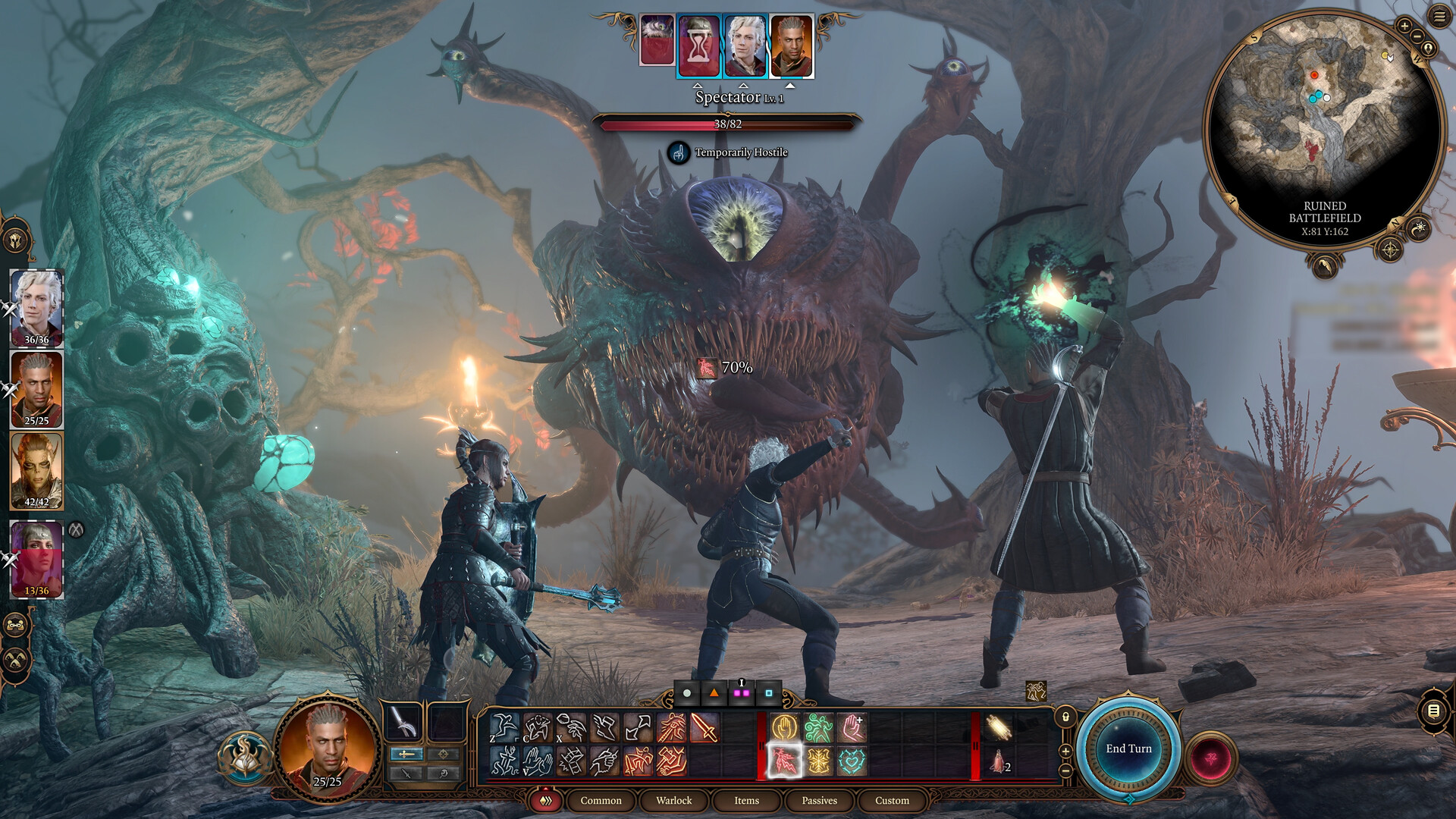
Quick Answer: In Baldur's Gate 3 Get Help from Healer Nettie means reaching the Emerald Grove early, speaking to Nettie for parasite advice, and using that moment to stabilize your party, manage resources, and avoid beginner traps.
What The Quest Means
Baldur's Gate 3 Get Help from Healer Nettie is one of the clearest early-game signposts in Act 1, because it pushes you toward the Emerald Grove, introduces the first serious cure lead, and teaches you how BG3 handles dialogue, exploration, and resource pressure. The game is a story-rich, party-based RPG set in the universe of Dungeons & Dragons, and your choices shape the run more than any single combat win. Source That matters here because the Nettie encounter is less about finding a magic answer and more about learning how to survive a world where every solution can have tradeoffs.
The basic loop is simple: move carefully from the crash site, recruit a party, explore the Wilderness, and follow the trail toward the druids and tieflings. The parasite problem is urgent in the narrative, but the game does not expect you to sprint straight through the map. HowLongToBeat reports roughly 72.71 hours for the main story, 115.69 hours with extras, and 179.74 hours for completion, which is a useful reminder that BG3 rewards patient, layered progress rather than tunnel vision. Source
For a beginner, Nettie is important for three reasons. First, she is one of the earliest named NPCs connected to your condition, so she validates the main quest without requiring you to already understand the whole plot. Second, the conversation teaches you to inspect dialogue choices for risk, because not every apparent “helpful” answer is safe. Third, the surrounding Emerald Grove area is where many players either build momentum or lose it by wasting spell slots, ignoring campsite recovery, or provoking fights they do not need.
First-Hour Checklist
Your first hour should be spent securing companions, learning the map structure, and reaching the Emerald Grove with enough spells, healing, and consumables left to handle Nettie and the fights around her. The most efficient early sequence is to move with purpose but not speed-run the opening, because BG3 is built around small gains from exploration, conversation, and positioning rather than raw DPS checks.
- Wake up on the Nautiloid and prioritize the obvious story actions that teach core controls: open crates, interact with highlighted corpses, and recruit whoever is available before leaving the ship.
- Leave the crash area, then immediately search the nearby roads, ruins, and side paths for companions such as Shadowheart, Astarion, and Gale if you have not already found them.
- Pick up every useful low-weight consumable you see, especially healing potions, antidotes if available, scrolls, and camp supplies.
- Enter fights only when you can start from high ground, surprise enemies, or narrow their approach.
- Head toward the Emerald Grove, then speak to the local guards, follow the quest flow, and look for Healer Nettie as part of the parasite lead.
- Long rest once you have used important spell slots or are missing a companion-triggered scene, because many early companion interactions only appear after camping.
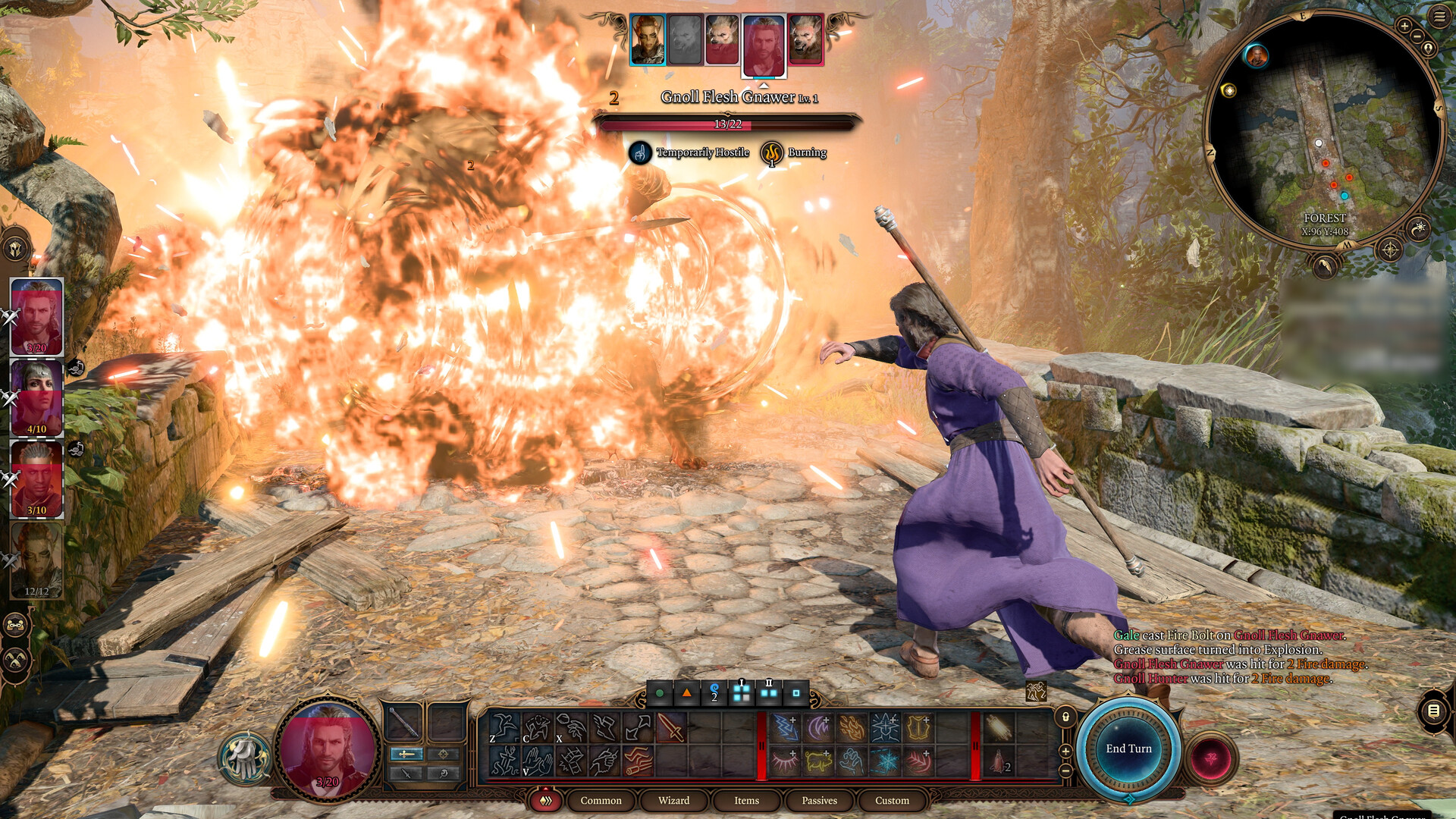
A good first hour is not about clearing every visible encounter. It is about setting up your run so the Nettie quest happens with a real party, not a half-empty party and no resources. For example, if you reach the grove after spending every wizard slot on trivial encounters, Nettie’s area becomes more fragile because you may need healing, crowd control, or conversation support immediately afterward. If you instead conserve resources, you can use spells like Sleep, Bless, or Healing Word at the right moment and still have enough left for the next encounter.
Three concrete priorities help most new players:
- Recruit a full early party before committing to serious combat.
- Keep at least one healing option on hand for each frontline character.
- Save your strongest consumables for named fights, not random wildlife or weak bandits.
It also helps to understand that the Emerald Grove sequence is not isolated. You are learning how BG3 structures urgency. The parasite is the main hook, but the game repeatedly asks you to build trust, uncover context, and choose when to press and when to wait. The Nettie conversation is the first place many players realize that “help” can come with a condition attached, so getting there prepared matters more than simply getting there quickly.
You might also like
- Baldur's Gate 3 Rescue the Gnome and Stop the Windmill Beginner Guide
- Baldur's Gate 3 Ask the Goblin Priestess for Help: Beginner Guide
- Baldur's Gate 3 Silver Sword of the Astral Plane Beginner Guide
- Baldur's Gate 3 Get Gortash's Netherstone Beginner Guide
- Baldur's Gate 3 Get Orin's Netherstone: Beginner Guide
How To Reach Healer Nettie
You reach Healer Nettie by progressing through the early Emerald Grove route and following the quest lines that lead into the druid and refugee conflict. The path is straightforward, but players often make it harder than it needs to be by wandering away from the main social hub or triggering avoidable fights first.
The practical route is:
- Leave the crash region and explore just enough to recruit companions.
- Push toward the Emerald Grove instead of fully clearing side areas.
- Pass through the outer defenses carefully, using dialogue where possible.
- Follow the internal grove paths until the healer and medical area become available.
Inside the grove, Nettie is part of the early cure investigation. You are not expected to solve the parasite issue immediately, and that is the point. The scene is designed to show you that BG3’s quest design is multi-layered: a healer may know something, withhold something, or test your intentions. That means your dialogue choices matter as much as your combat readiness. If you speak recklessly, you can turn a potentially informative encounter into a hostile one. If you listen carefully, you learn that the game often rewards caution, empathy, and reading the room.
This is also where you should begin treating your party as a real tactical unit. If you arrive with only your custom character and one companion, you will feel underpowered even if your build is good. If you arrive with a balanced early team, you can cover checks, manage initiative, and spread out reactions better. For example, Astarion can help with locks and opening positions, Gale can carry utility magic, and Shadowheart can stabilize the group if the conversation leads into a fight or poison risk. The exact party composition changes from run to run, but the principle does not.
A useful beginner habit is to stop before entering an important NPC room and ask three questions: do I have healing, do I have camp supplies, and do I have a clean exit if dialogue turns bad? If the answer is no, go back and prepare. That habit pays off repeatedly in Act 1 and becomes even more valuable later when quests branch harder.
Resource Priority Order
You should spend early resources on survival, mobility, and reliable utility before investing in niche damage or luxury items. BG3 gives you many consumables and character options, but the opening hours punish waste because you are still building your party’s baseline toolkit.
| Priority | Spend On | Why It Matters Early | Examples |
|---|---|---|---|
| 1 | Healing and recovery | Prevents a failed day from becoming a failed run | Healing potions, camp rests, Healing Word |
| 2 | Camp supplies | Enables long rests and companion scenes | Food packs, crates, store-bought provisions |
| 3 | Core utility scrolls | Solves situations your party lacks answers for | Remove Curse, Speak with Animals, Mage Hand |
| 4 | Essential gear upgrades | Raises consistency more than rare burst items | Better armor, better weapon for your main attacker |
| 5 | Niche consumables | Useful later, but not a first-hour priority | Situational grenades, specialty arrows, odd elixirs |
The simplest rule is to hoard anything that restores action economy or opens options. Healing potions are better than they look because they can rescue a downed companion from across the room, and scrolls are often more valuable than a one-time damage bomb because they let a class cover a missing utility role. In contrast, it is easy to overvalue random loot with fancy names when your actual need is a dependable way to get through the next three fights.
Three examples make this concrete:
- A Cleric can patch the party with
Healing Word, but if that slot is needed forBless, a spare potion becomes the better emergency tool. - A Wizard can solve a problem with a scroll of
Feather FallorMage Armour, but only if you kept the scroll instead of selling every unknown item immediately. - A melee character with a slightly better weapon gains more from a real upgrade than from carrying five different low-value consumables they never plan to use.
You should also be careful with gold. New players often spend it too early on marginal gear. Early merchants can offer tempting equipment, but the game gives plenty of usable gear through exploration and quest rewards. Hold gold for fixes that have a clear impact: healing stock, essential armor for a weak frontliner, or a specific utility item that solves a current problem. In the current meta, the best early spending tends to be boring, not flashy.
Crafting in the strict sense is not the main early economy driver in BG3, so “resource priority” is really about inventory discipline. Use what keeps the party moving. Save what expands options. Sell only obvious junk, and do not liquidate every scroll or potion because you think you are being efficient.
Common Mistakes
Common mistakes in Baldur's Gate 3 Get Help from Healer Nettie usually come from treating the opening like a standard action RPG instead of a choice-driven tactical RPG, and the fixes are mostly about slowing down, reading the situation, and preserving options.
Rushing to Nettie with an underbuilt party.
Players do this because the parasite plot creates urgency. The fix is to recruit companions first, finish nearby exploration loops, and arrive with a full group.Spending every spell slot in the first few fights.
New players often assume resting is expensive and try to “save” rests by burning all magic early. The fix is to end easy fights with cantrips, weapons, and positioning, then long rest when your key tools are gone.Selling too many scrolls and consumables.
This happens because the inventory looks cluttered and the value of utility items is not obvious. The fix is to keep scrolls that solve movement, healing, or exploration problems, especially in Act 1.Ignoring dialogue consequences around NPC healers.
Many players expect a healer to be automatically safe and useful. The fix is to treat every important conversation as a branching encounter, save before talking, and choose lines that preserve leverage.Entering fights from bad terrain.
Beginners often click the enemy directly and accept a flat-footed engagement. The fix is to approach from high ground, use stealth when available, and begin combat on your terms.Wasting gold on minor upgrades too early.
The mistake comes from thinking every merchant item is an upgrade. The fix is to compare against your current loadout and spend only on gear that meaningfully improves survivability or accuracy.Forgetting to rest after major scenes.
BG3 hides a lot of companion and camp content behind rests, so players can accidentally stall quest progress. The fix is to use camp after key story beats, especially after reaching a new hub like the Emerald Grove.
These are beginner mistakes because they feel sensible in isolation. Healing instead of resting feels disciplined. Selling unused loot feels tidy. Charging forward feels heroic. BG3 undercuts those instincts by making timing, sequencing, and conversation state matter. Once you start seeing the game as a network of limited resources and branching reactions, the Nettie section becomes much easier to handle.
Common Mistakes
A second pass through the most damaging early errors helps because the Nettie quest punishes panic more than raw bad luck, and each mistake has a direct workaround.
- Treating Nettie like a quest marker instead of a character: the fix is to read her dialogue, observe the tone of her responses, and avoid assuming she will simply hand over a cure.
- Ignoring companion approval and camp scenes: the fix is to rest regularly so your party develops, because later decisions are easier when you understand who is aligned with you.
- Failing to manage damage types and positioning: the fix is to spread targets, use ranged attacks from safer angles, and avoid clustering where one enemy effect can hit the whole party.
- Overcommitting to one class fantasy too early: the fix is to let your party cover missing roles with gear, scrolls, and consumables rather than forcing every problem through one character.
- Not checking the environment before combat: the fix is to inspect ledges, ladders, explosive objects, and choke points before you start a fight.
The practical lesson is that the game rewards preparation more than confidence. If you arrive at the healer’s area with a saved game, a real party, and enough resources to absorb a surprise outcome, you can learn the quest instead of being flattened by it.
Pro Tips
Advanced beginners gain a lot by learning how to stretch early systems instead of merely surviving them, and the Nettie sequence is an ideal place to practice that.
Tip 1. Use dialogue as a resource check
Before committing to a risky line with Nettie or any early NPC, make sure your party has healing, a rest plan, and at least one escape option. If the conversation goes sideways, you want to be choosing your response from a position of strength, not improvising under pressure.
Tip 2. Keep one control spell in reserve
A single Sleep, Hold Person, or similar control effect can turn a hard early skirmish into a manageable one. Save that slot for a real threat rather than using it just because it is available.
Tip 3. Re-enter hubs after long rests
The Emerald Grove and similar hubs often change after rests or major progress. If you have talked to Nettie and immediately move on, you can miss follow-up scenes, merchant refreshes, or companion reactions.
Tip 4. Give one character the problem-solving gear
Do not split all utility evenly. Put lockpicks, scrolls, and mobility tools on the character most likely to act first in exploration, such as Astarion or your main scout, so the party can solve small problems without slowing down.
Tip 5. Watch for forced moral pressure
Healers, druids, and authority figures often ask questions that sound practical but hide a test. When that happens, the right move is usually to pause and assess the likely consequence rather than answering with the most direct line.
Tip 6. Preserve your best potions for reversals
Potion use is strongest when it flips a bad turn, not when it tops off someone at half health. Save the strongest healing for a character who is down, isolated, or carrying concentration.
Graduation Threshold
You are out of the beginner phase when you can reach Nettie, survive the surrounding Act 1 friction, and make informed choices without reloading every time a conversation or fight goes imperfectly. That threshold is less about level or gear than about consistency.
A good sign is that your party already has clear roles. You know who opens locks, who handles ranged pressure, who anchors the front line, and who keeps healing or utility ready. Another sign is that you stop treating every encounter as a race to kill first and start thinking about terrain, initiative, and resource attrition. At that point, you are no longer learning the game’s basic language; you are applying it.
Three practical indicators show you have moved past beginner status:
- You arrive at important NPCs with a plan instead of a guess.
- You use long rests intentionally, not only when the game forces you.
- You can identify when a fight is optional, avoidable, or better solved through dialogue.
In Baldur's Gate 3, “graduation” also means you stop panicking over the parasite hook itself. The cure is the driver, but the game is structured around investigation, alliances, and consequences. Once you understand that, Nettie becomes one early piece of a broader system, not a make-or-break gate. You are ready for the next stage when you start reading quests for what they teach you about the world, not just what loot or progress they give immediately.
For many players, that shift happens around the time they can handle the Grove without getting lost, can keep a party healthy across multiple encounters, and can recognize when an NPC is offering information rather than certainty. At that point, the game opens up.
Related Guides
These related guides fit naturally next if you are continuing from the early Nettie route and want to deepen your Act 1 understanding.
- baldur's gate 3 tips Baldur's Gate 3 best early party composition
- related guide Baldur's Gate 3 beginner class tier guide
- baldur's gate 3 tips Baldur's Gate 3 Act 1 walkthrough
- related guide Baldur's Gate 3 companion approval guide
- related guide Baldur's Gate 3 best early equipment guide
- silent library puzzle Baldur's Gate 3 dialogue and skill check guide
Sources
- https://store.steampowered.com/app/1086940/
- https://howlongtobeat.com/?q=bg3
- https://store.steampowered.com/app/1086940/
See also
- Baldur's Gate 3 Deliver Nere's Head Beginner Guide
- Baldur's Gate 3 Helm of Balduran Beginner Guide
- Baldur's Gate 3 Save the Refugees Beginner Guide
- Baldur's Gate 3 baldurs gate 3 build dark urge Guide
- baldurs gate 3 lae'zel build: Best Fighter Setup for Lae’zel
- Baldur's Gate 3 baldurs gate 3 best honour mode builds
- Baldur's Gate 3 baldurs gate 3 best dual wield build
- Baldur's Gate 3 Kill Raphael's Old Enemy Beginner Guide
- Baldur's Gate 3 necromancy build
- Baldur's Gate 3 Investigate the Sel nite Resistance Beginner Guide
Screenshots


Reviewed by
BG3 Hub Editorial
Expertise: Editorial team behind BG3 Hub. Content is compiled from official patch notes, community wikis, and playthrough notes, then reviewed and updated on schedule.
Sources
Related Guides
%27/><stop offset=%271%27 stop-color=%27hsl(80,50%,18%)%27/></linearGradient></defs><rect width=%27460%27 height=%27215%27 fill=%27url(%23g)%27/><text x=%27230%27 y=%27115%27 text-anchor=%27middle%27 font-family=%27sans-serif%27 font-size=%2724%27 font-weight=%27700%27 fill=%27rgba(255,255,255,0.85)%27>App 1086940</text><text x=%27230%27 y=%27142%27 text-anchor=%27middle%27 font-family=%27sans-serif%27 font-size=%2711%27 fill=%27rgba(255,255,255,0.6)%27>no image yet</text></svg>)
🔥 Popular Guides

bg3 class tier list act 1
Act 1 BG3 class tier list with S/A/B ranks, matchup flips, mistakes, tips, and an FAQ for new and returning players.
BG3 Top Baldur's Gate 3 Builds Guide
Best BG3 builds explained with roles, stats, gear, counters, budget swaps, and pro tips for any difficulty.
bg3 best builds for honor mode: Baldur’s Gate 3 Build Guide
Top BG3 Honor Mode builds, stat priorities, gear, counters, and budget options for a safer Baldur’s Gate 3 run.
Baldur's Gate 3 Class Tier List
S, A, and B class rankings for BG3 with methodology, situational flips, patch notes, mistakes, pro tips, and FAQs.
📋 Patch Notes & Updates
🛠️ Popular Tools
Was this guide helpful?
Rate this guide so we can improve it.
Share your own tip
Found something not in the guide? Submit it below — our editors review every tip before publishing. No account required.