 Baldur's Gate 3
Baldur's Gate 3 The Great Old One Beginner Guide
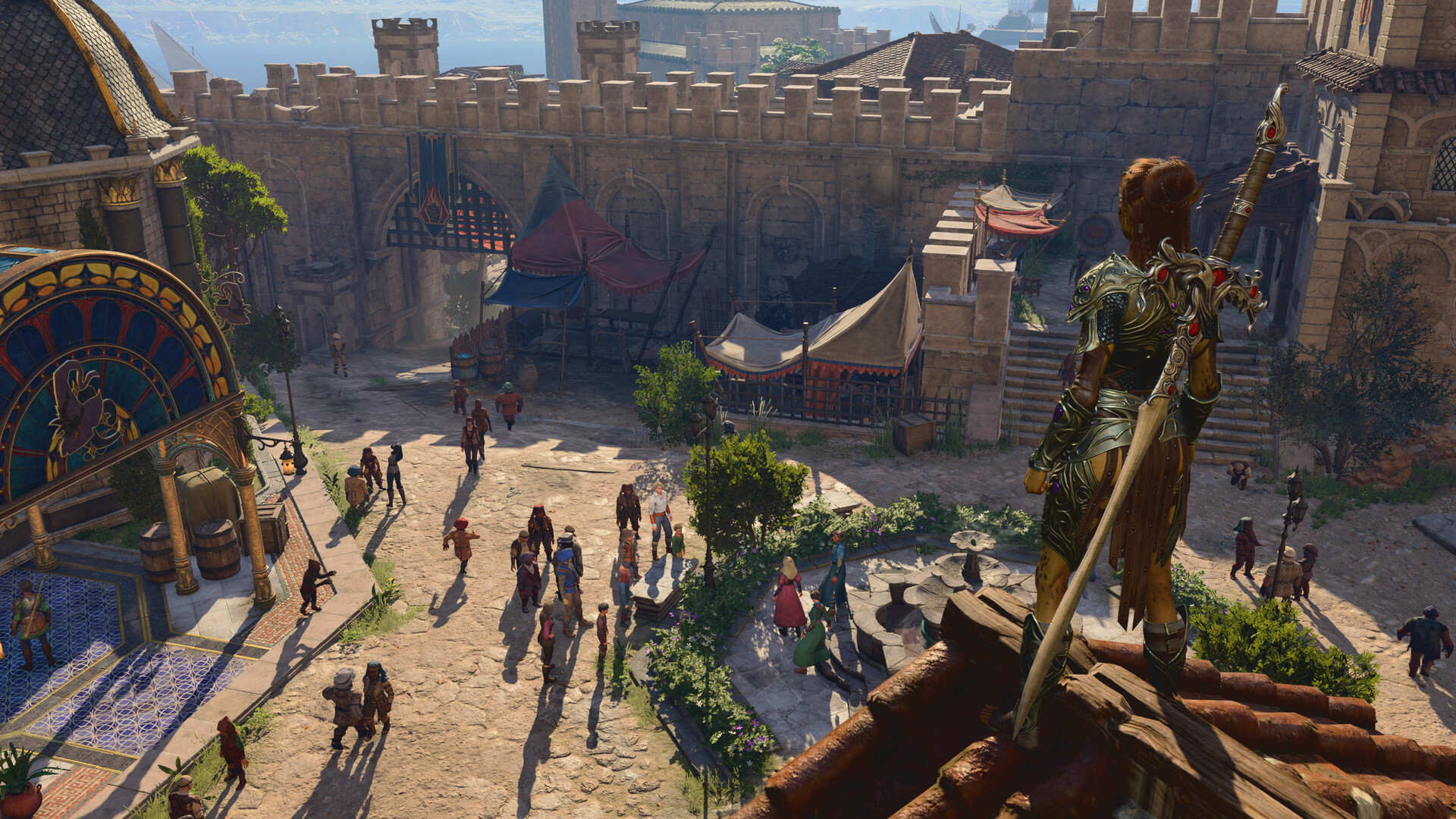
Quick Answer: Baldur's Gate 3 The Great Old One is a Warlock path built around control, burst damage, and fear-based tactics, making it beginner-friendly if you want powerful spells, short-rest recovery, and strong dialogue options.
Baldur’s Gate 3 is a story-rich, party-based RPG where your choices shape the journey, and it supports solo or group play Source. If you’re starting a Great Old One Warlock, your goal is simple: survive the early game, lean into Eldritch Blast, and use fear and control spells to swing fights before enemies can overwhelm you.
What Baldur's Gate 3 The Great Old One Actually Is
Baldur's Gate 3 The Great Old One is a Warlock subclass that trades broad spell access for reliable pressure, strong battlefield control, and frightening burst turns. The subclass fits players who like having a few very good tools instead of a huge spellbook, and it shines when you can force enemies into bad positioning or panic with control effects.
At a beginner level, the appeal is easy to understand. You are not trying to be a fragile wizard who needs perfect preparation every fight, and you are not trying to be a pure martial character who only wins by standing still and trading hits. Instead, you work like a tactical nuisance: you soften enemies, push them away, break their focus, and capitalize on openings your party creates. In Baldur’s Gate 3, that often means a Great Old One Warlock starts fights with a strong ranged attack, then uses the right spell at the right time rather than spamming everything at once.
A few parts of the build matter immediately:
- Eldritch Blast is your bread and butter. You will use it in combat far more than any other damage option.
- Pact Magic restores on short rests, so you play around encounter pacing instead of hoarding spells forever.
- The Great Old One’s fear theme encourages control, especially when your party can capitalize on frightened or disoriented enemies.
- Charisma matters for both dialogue and spell power, so your build naturally feels strong in conversations and combat.
If you are used to RPGs where early mistakes are permanent, Baldur’s Gate 3 is kinder than that. You can respec later, adjust your party, and refine your spell list as you learn. But the first hours still matter because they teach you the game’s rhythm: inspect enemies, use positioning, conserve resources, and rest when needed rather than after everything goes wrong.
First-Hour Checklist
Your first hour with Baldur's Gate 3 The Great Old One should focus on getting your Warlock functional, your party stable, and your exploration habits under control. The early game is where many new players lose momentum because they try to brute-force every fight or ignore the tools the game hands them. A clean opening gives you a much smoother campaign.
1) Set up your character for conversation and combat
Pick a race, background, and ability spread that support Charisma first. You do not need to chase a “perfect” build to start strong, but you do want your dialogue checks and spell attacks to feel reliable. For a Great Old One Warlock, that means making Charisma your top priority, then keeping Constitution respectable so you do not get knocked out every time someone sneezes in your direction. If you are unsure, simply remember: the subclass wants a face character, not a glass cannon who cannot survive the opening turn.
Good early examples include:
- A Warlock who talks to NPCs first and lets the party handle support tasks.
- A build that uses Eldritch Blast as the default attack.
- A party plan where you keep one frontline ally between you and the enemy.
2) Recruit companions as soon as you can
Do not wander alone longer than necessary. Baldur’s Gate 3 is built around party synergy, and the Great Old One gets much better when allies can set up advantage, crowd control, or healing. Early companions such as Shadowheart, Astarion, and Lae’zel give you a useful first-party mix: healing/support, stealth and lockpicking, and frontline pressure.
As soon as you have your core group:
- Add a healer or support character.
- Add a melee character who can occupy enemies.
- Keep a utility character for locks, traps, and scouting.
3) Learn the basics of short rests and spell pacing
Warlocks are not “cast forever” casters. Your power comes from using a few impactful spells, then recovering with short rests. New players often save spell slots for too long, or they dump everything in one fight and then feel weak afterward. The fix is to think in encounter groups, not in “I must be full at all times” terms.
Examples of useful pacing habits:
- Open with a control spell when the fight matters.
- Use Eldritch Blast for filler turns.
- Short rest after a difficult engagement instead of pushing onward half-empty.
4) Inspect enemies and use terrain
A lot of first-hour frustration comes from not reading the battlefield. The game rewards simple tactical awareness: high ground, choke points, explosive objects, and enemy vulnerabilities. Before committing to a fight, look for ladders, ledges, barrels, hanging objects, or routes that let your party fight on favorable ground.
Concrete examples:
- Knock enemies off ledges with push effects.
- Fight near doors or narrow paths to reduce flanking.
- Use environmental hazards like fire or explosive barrels when the area offers them.
5) Save often and test dialogue options
The first hour is also where you learn how much freedom the game gives you. Baldur’s Gate 3 regularly lets one conversation branch into multiple outcomes, and the Great Old One is especially enjoyable here because Charisma helps your social play. Save before major conversations, try intimidating or persuasive options, and pay attention to how NPCs respond. That habit helps you understand whether you want to be a smooth-talking manipulator, an eerie occult speaker, or a more direct threat.
If you want a simple opening checklist, follow this order:
- Finalize Charisma-focused character creation.
- Recruit at least two companions quickly.
- Equip your best ranged option and learn Eldritch Blast.
- Use one short rest early to understand recovery.
- Save before every important conversation or fight.

You might also like
- Baldur's Gate 3 Rescue the Gnome and Stop the Windmill Beginner Guide
- Baldur's Gate 3 How to Solve the Silent Library Puzzle
- Baldur's Gate 3 Get Help from Healer Nettie Beginner Guide
- Baldur's Gate 3 Update 5 Patch Notes Beginner Guide
- Baldur's Gate 3 Ask the Goblin Priestess for Help: Beginner Guide
Resource Priority Order
Your resource priority in Baldur's Gate 3 The Great Old One should be: survival first, key combat tools second, convenience third, and luxury spending last. Beginners often waste gold, scrolls, and consumables on minor problems, then run dry when an actual crisis appears. Warlock play is forgiving, but only if you spend with intention.
| Resource | Spend On First | Hoard For | Beginner Rule |
|---|---|---|---|
| Gold | Revive utility, useful gear, camp supplies, key consumables | Niche gear you may replace soon | Buy power, not clutter |
| Spell Slots | Control spells, emergency damage, escape tools | Random damage when Eldritch Blast would do | Save slots for high-impact turns |
| Scrolls | Situations your class cannot cover well | “Maybe later” hoarding | Use them when the fight matters |
| Potions | Healing after a bad exchange, pre-fight prep when needed | Sitting unused in inventory | Drink to stabilize, not to hoard |
| Throwables / Grenades | Tight fights, clustered enemies, surfaces | Single target filler damage | Use to multiply turn value |
| Camp Supplies | Long-rest support and recovery management | Nothing—you should track them | Rest when the party needs it |
Spend gold on power and utility, not impulse buys
Early merchants tempt you with lots of shiny gear, but a new Warlock benefits more from a few meaningful upgrades than from a full shopping spree. Prioritize anything that improves spell accuracy, survivability, or action economy. A strong early item that helps your casting or defense is often better than a marginal damage increase from a weapon you barely swing.
Good early spending examples:
- A piece of armor or clothing that improves survivability without breaking your build.
- A ranged weapon backup in case enemies close the distance.
- Consumables that help you survive hard encounters, such as healing potions or anti-condition tools.
Save spell slots for encounters that can go wrong
Warlock slots feel scarce at first, and that is intentional. Use them when the enemy can punish you hard, when a fight is likely to snowball, or when a control spell can disable several threats. If a battle is trivial, let Eldritch Blast do the work. If a fight includes dangerous casters, archers on high ground, or enemies that can overwhelm your frontline, that is the moment to spend.
Hoard useful scrolls until they solve a real problem
Scrolls are not treasure to admire; they are emergency answers. A beginner should think of them as “extra class features” rather than collectibles. If your party lacks a tool for a specific situation, a scroll can bridge the gap. For example, a movement or escape scroll can save a fight where your positioning collapsed, while a damage scroll can finish a target your regular kit cannot safely reach.
Crafting and consumables should support, not dominate, your plan
Do not overinvest in crafting if it is distracting you from actually learning combat. Use what the game gives you naturally, and only craft or combine when it helps in a real scenario. Most beginners get more value from learning where to fight, when to rest, and how to concentrate fire than from obsessing over every ingredient.
If you want a simple spending rule, use this:
- Buy survival and build-defining gear first.
- Use consumables when they prevent a wipe.
- Keep enough gold for flexibility.
- Do not sit on a pile of items you are afraid to use.
Common Mistakes
The most common mistakes with Baldur's Gate 3 The Great Old One come from treating it like a generic spellcaster or from ignoring how the game rewards preparation and positioning. Beginners usually do not fail because the subclass is weak; they fail because they use strong tools in weak ways.
1) Spamming spells every fight
Many new Warlock players burn through spell slots too fast because every spell feels exciting. That leaves them weaker when a real boss fight appears.
Why it happens: Warlock abilities are flashy, and early fights often feel easy enough that spending seems harmless.
Fix: Default to Eldritch Blast for routine turns, and reserve slots for hard fights, dangerous casters, or control moments that swing the battle.
2) Ignoring short rests
Some players only think about long rests and forget that Warlocks recover through short rests.
Why it happens: New RPG players often assume all casters work like long-rest mages.
Fix: Short rest after a few meaningful encounters, especially if you used your core spell slots or spent key class resources.
3) Standing in the open as a backliner
A Great Old One Warlock is powerful, but not durable enough to stand in the middle of enemy pressure.
Why it happens: Beginners often assume ranged damage means safety no matter where they stand.
Fix: Fight behind your frontline, use elevation when possible, and reposition if melee enemies break through. If a battle starts to collapse, use terrain, disengage, or crowd control to buy space.
4) Failing to inspect enemies before attacking
Players sometimes assume every enemy should be handled the same way.
Why it happens: It is tempting to click attack immediately, especially in easy early skirmishes.
Fix: Inspect enemy abilities and resistances, then choose whether to control, burst, or reposition. A fire-heavy plan against resistant foes or a melee rush into a dangerous caster is often a wasted turn.
5) Hoarding consumables until they expire in your inventory
Potions, scrolls, and throwables often sit unused because players fear “wasting” them.
Why it happens: Beginners overvalue future value and undervalue immediate survival.
Fix: Use consumables when they prevent a bad round, save a companion, or secure a kill that would otherwise cost you more resources later.
6) Treating dialogue as separate from build power
A lot of players think combat stats and conversation stats are unrelated.
Why it happens: In many RPGs, talking and fighting are isolated systems.
Fix: Lean into Charisma. A Great Old One Warlock who wins conversations can avoid fights, get better outcomes, and roleplay the subclass’s eerie influence more effectively.
Pro Tips
The best way to improve Baldur's Gate 3 The Great Old One is to start thinking in terms of fight shape, turn value, and positioning rather than raw damage numbers. These habits matter more than tiny gear changes in the beginner phase.
Tip 1. Use fear and control to buy one extra round
When a fight includes dangerous melee enemies, prioritize effects that stop them from reaching your backline or force them to act inefficiently. If a frightened target loses momentum, your whole party gains breathing room.
Tip 2. Treat Eldritch Blast as a flexible combat tool, not just damage
Use it to finish enemies, knock targets off ledges when your setup supports that, or keep pressure on enemies while you save slots. It is often your best action even when it looks simple.
Tip 3. Let companions set up your best turn
A Great Old One Warlock becomes much stronger when someone else creates the opening. For example, a frontline ally can pin enemies in place while you cast safely, or a stealthy opener can start the fight on your terms.
Tip 4. Abuse high ground whenever the map allows it
If you can begin on an elevated platform or move there early, do it. Ranged pressure plus better sightlines often makes the difference between a clean victory and a messy scramble.
Tip 5. Carry one answer for emergencies
Keep a potion, scroll, or escape tool that can save a collapsed fight. The best beginner habit is not “never make mistakes,” but “always have one answer when the plan breaks.”
Tip 6. Speak first, fight second
If a conversation has a chance to avoid combat, take it seriously. A Charisma-based Great Old One often earns safer outcomes, better information, or cleaner ambush opportunities.
Graduation Threshold
You are out of the beginner phase in Baldur's Gate 3 The Great Old One when you can consistently plan turns around enemy threats instead of reacting to them. That means you understand when to use a spell, when to save it, when to reposition, and when to let the party’s composition do the heavy lifting.
A good sign of progress is that your turns stop feeling random. Early on, many players ask, “What do I do now?” Once you graduate from beginner status, you start asking better questions: “Which enemy must die first?” “Can I force a bad save here?” “Should I short rest before moving on?” “Can I start this fight from a better angle?” That mindset shift matters more than any single item or spell.
You are also likely past the beginner stage once you can handle these situations without panic:
- A fight begins with enemies on high ground and you still identify a safe approach.
- Your party is split, and you know how to regroup or stabilize.
- You have enough familiarity with your Warlock kit to know when Eldritch Blast is correct and when a control spell is worth the slot.
- You can read a conversation well enough to decide whether to persuade, intimidate, or fight.
For the Great Old One specifically, graduation usually means you stop seeing the subclass as “the spooky one” and start seeing it as a pressure-and-control engine. You know how to pair your subclass with allies, how to stay alive while dealing consistent damage, and how to make your limited spell slots feel bigger than they are.
A simple self-test:
- Can you clear a difficult encounter without burning everything immediately?
- Can you use short rests naturally?
- Can you identify when terrain matters?
- Can you keep your Warlock standing without reckless positioning?
If the answer is yes more often than no, you are beyond the beginner phase and ready to refine builds, multiclass choices, and harder difficulty strategies.
Related Guides
These are the most useful next reads once you understand the basics of Baldur's Gate 3 The Great Old One.
- into wyrm's rock fortress Great Old One Warlock build guide
- related guide Best early companions and party composition
- baldur's gate 3 tips Baldur’s Gate 3 beginner walkthrough
- related guide Warlock spell and Eldritch Blast guide
- related guide Best early-game gear and vendors
- baldur's gate 3 tips Baldur’s Gate 3 class tier list
- related guide How to use short rests and camp supplies
- related guide Baldur’s Gate 3 dialogue and persuasion guide
Sources
- https://store.steampowered.com/app/1086940/
- https://howlongtobeat.com/?q=bg3
- https://store.steampowered.com/app/1086940/
See also
- Baldur's Gate 3 Silver Sword of the Astral Plane Beginner Guide
- Baldur's Gate 3 Shar's Spear of Evening Beginner Guide
- Baldur's Gate 3 Caution Before the Seelie: Beginner Guide
- Baldur's Gate 3 List of All Side Quests
- Baldur's Gate 3 Help the Cursed Monk: Beginner Guide
- Baldur's Gate 3 Way of the Four Elements Beginner Guide
- Baldur's Gate 3 Way of the Open Hand Beginner Guide
- Baldur's Gate 3 Help He Who Was: Beginner Guide
- Baldur's Gate 3 Get Gortash's Netherstone Beginner Guide
- Baldur's Gate 3 Advantage and Disadvantage Guide
Screenshots



Reviewed by
BG3 Hub Editorial
Expertise: Editorial team behind BG3 Hub. Content is compiled from official patch notes, community wikis, and playthrough notes, then reviewed and updated on schedule.
Sources
Related Guides
🔥 Popular Guides
Baldur's Gate 3 guide steam Walkthrough
Full Baldur's Gate 3 walkthrough with routes, hard fights, missables, loot, tips, and common mistakes for Steam players.
Baldur's Gate 3 Guide PDF Walkthrough
Complete Baldur's Gate 3 walkthrough with route steps, hardest fights, loot, missables, and pro tips for a clean run.
Baldur's Gate 3 guide act 1 Walkthrough
Complete Act 1 walkthrough for Baldur’s Gate 3 with route steps, hardest fights, rewards, missables, tips, and common mistakes.
baldurs gate 3 guide book: Walkthrough
Complete Baldur’s Gate 3 walkthrough with route steps, boss tactics, missables, rewards, and pro tips for a smoother playthrough.
📋 Patch Notes & Updates
🛠️ Popular Tools
Was this guide helpful?
Help us grow — rate this guide so we can improve it.
Share your own tip
Found something not in the guide? Submit it below — our editors review every tip before publishing. No account required.