 Baldur's Gate 3
Baldur’s Gate 3 baldurs gate 3 how to save mayrina Beginner Guide
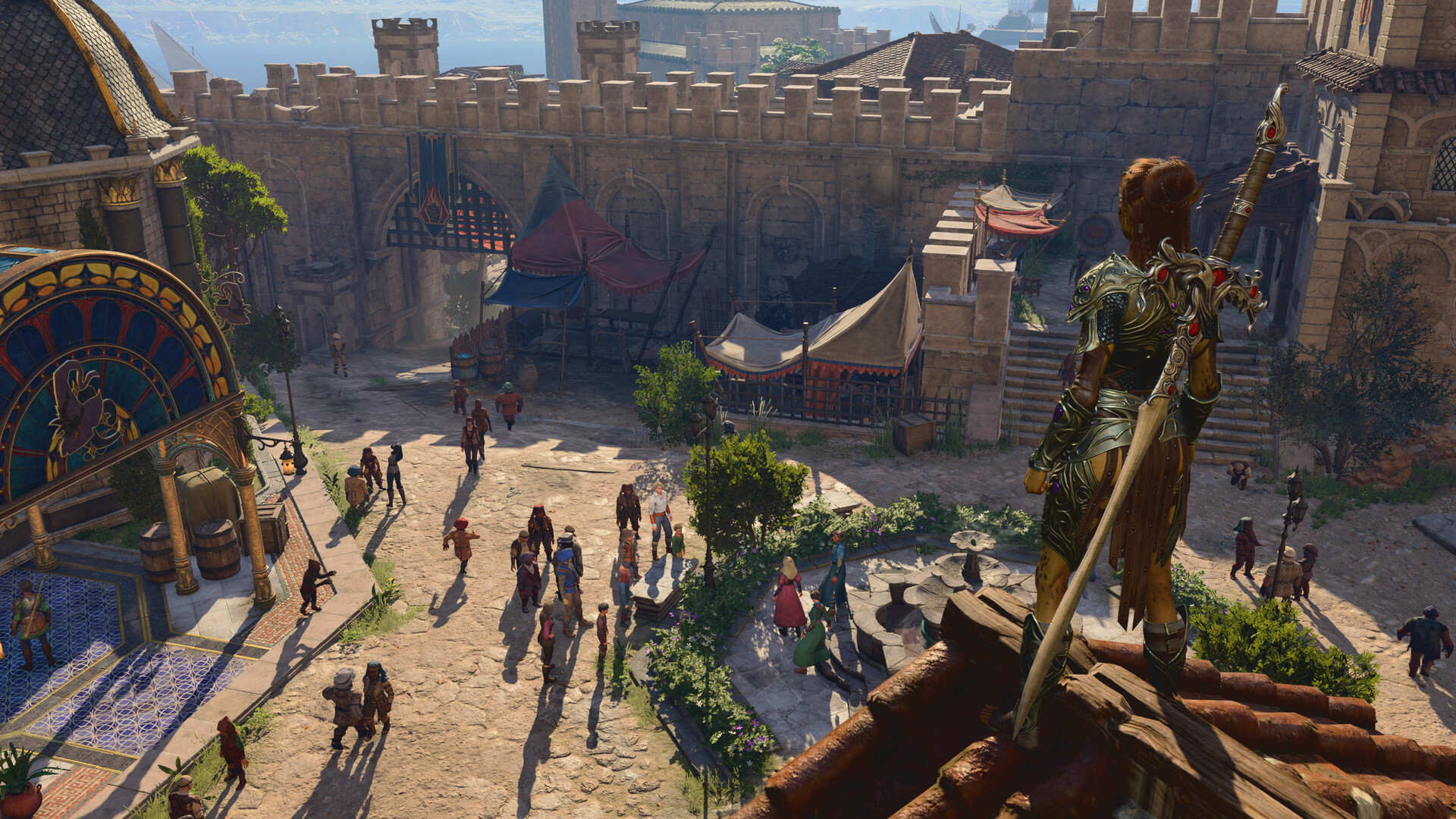
Quick Answer: To save Mayrina in Baldur’s Gate 3, defeat Auntie Ethel in the Sunlit Wetlands, follow the hag quest through her lair, and make the right conversation choices so Mayrina survives and leaves with a path forward.
Baldur’s Gate 3 is a story-rich, party-based RPG set in the universe of Dungeons & Dragons, where your choices shape a tale of fellowship and betrayal, survival and sacrifice, and the lure of absolute power. Source
How to save Mayrina in Baldur’s Gate 3
You save Mayrina by treating the hag encounter as a quest chain, not a single fight. The safe route is to confront Auntie Ethel, push through her lair beneath the Teahouse, and keep Mayrina alive through the final dialogue sequence instead of rushing in blindly or killing the wrong target at the wrong time.
The Mayrina quest is one of the earliest “this game is not just about combat” moments in Act 1. You can absolutely stumble into it with a low-level party, a handful of spells, and a few basic weapons, but what matters most is awareness. Players who approach it like a straightforward dungeon often miss that the hag uses illusions, terrain tricks, and conversation options to create confusion. In practice, the quest rewards patience more than raw damage.
Here is the simplest beginner-safe approach:
- Talk to Mayrina and the masked servants carefully. Do not assume every NPC is lying in the same way; some clues matter later.
- Explore the Teahouse and the swamp. The environment gives away the hag’s true nature if you inspect it.
- Enter the lair prepared. Bring healing, poison resistance if available, and a balanced party with at least one character who can control enemies or create barriers.
- Do not waste your best burst on the illusion phase. Auntie Ethel can create deceptive copies and retreat, so save resources for the real fight.
- Choose dialogue that protects Mayrina at the end. If you want the rescue outcome, avoid choices that treat her like collateral damage.
There are a few different ways the quest can play out, and that is part of why newcomers search for baldurs gate 3 how to save mayrina specifically. Some players want the cleanest “good” resolution, while others want the best loot or just want to know how not to fail the quest. If your goal is simply to keep her alive, the big rule is: do not let the hag force the situation into panic. Move methodically, inspect the environment, and keep control of the conversation.
If you are also planning your early Act 1 route, pairing this quest with a baldur's gate 3 vs elden ring on beginner party roles can make the whole encounter much easier.
First-hour checklist for new players
Your first hour should focus on building a stable party, learning the core systems, and setting up enough resources to survive the early Act 1 map. Baldur’s Gate 3 is generous, but it punishes players who spend too much too early or ignore the basics of positioning, dialogue, and item management.
A good first-hour routine looks like this:
- Finish the opening sequence and recruit your first companions. Shadowheart, Astarion, Gale, and Lae’zel give you a flexible starting squad, and even if you do not keep them forever, they teach you how different roles work.
- Loot everything useful, but do not hoard junk. Grab healing potions, scrolls, camp supplies, lockpicks, and usable weapons, then sell low-value clutter when you reach a trader.
- Check your spell slots and short rests after each serious fight. New players often forget that some classes recover best from short rests, not potions.
- Inspect the map and mission log carefully. The game is full of branching routes, and the journal usually gives enough breadcrumbs to avoid wandering in circles.
- Use high ground and choke points in combat. A single ladder, doorway, or cliff edge can matter more than weapon damage in the early game.
- Talk to NPCs before attacking or looting. Many Act 1 encounters have diplomatic routes, warnings, or optional rewards hidden in dialogue.
- Pick up useful consumables whenever you see them. Throwables, antidotes, elixirs, and scrolls are worth more than random gear at low level.
- Long rest when your party is low on resources, but do not spam it mindlessly. Resting advances camp scenes and can affect quest pacing.
A common beginner mistake is to treat the opening area like a dungeon crawler where combat is the only important loop. Baldur’s Gate 3 is more like a layered campaign: dialogue, exploration, stealth, and item use are all part of survival. For example, you can solve many early situations with a simple Speak with Animals effect, a disguised approach, or by moving one character ahead to scout while the rest stay back. That kind of flexibility pays off immediately in the swamp path to Auntie Ethel, where visibility and positioning make a huge difference.
A practical first-hour route
If you want a simple path, use this route:
- Escape the nautiloid and reach the beach.
- Recruit at least two companions.
- Explore the nearby ruins or starting roads enough to learn combat basics.
- Pick up healing and utility consumables.
- Rest once your resources are low.
- Start small side quests before taking on tougher named enemies.
That sequence keeps you from drifting into difficult content unprepared. It also gives you time to understand action economy, which is the idea that each turn is a limited set of meaningful actions. In practice, that means a spell that disables one enemy can be better than a damage spell that merely chips away at health.
What to learn before you leave the starting area
Focus on these mechanics first:
- Bonus actions like drinking a potion, hiding, or off-hand attacks.
- Environmental damage such as fire surfaces, explosive barrels, and elevation.
- Concentration on spells like Bless or Hold Person.
- Party formation so your squishy characters are not standing in the front line.
- Inventory discipline so you can find key items quickly during fights.
By the time you have done these basics, you are ready for the wider Act 1 map and better prepared for side stories like the Mayrina rescue. That early discipline also makes later boss fights feel less random and more readable, which is exactly what beginner growth in Baldur’s Gate 3 looks like.

You might also like
- baldurs gate 3 how to get to the underdark: Beginner Guide
- baldurs gate 3 beginner class reddit: Beginner Guide for New Players
- baldurs gate 3 how to recruit minthara: Beginner Guide for New Players
- baldurs gate 3 how to free shadowheart: Beginner Guide
- Baldur’s Gate 3 beginner tips reddit: A Complete Beginner Guide
Resource priority order: what to spend, hoard, and craft first
Your resource priority should favor survival tools, encounter-changing consumables, and quest-critical items before luxury gear or speculative upgrades. Baldur’s Gate 3 gives you many tempting things to buy or use, but the game is much easier when you spend with a clear order.
A helpful priority list is:
- Healing and recovery tools
- Core combat consumables
- Quest and exploration utility
- Equipment upgrades for your main party
- Luxury items, niche scrolls, and backup gear
That order works because early fights are decided less by perfect optimization and more by whether you can stay alive through one more round. A healing potion in the right moment is worth more than a slightly stronger ring you will replace soon. The same goes for scrolls: a Scroll of Misty Step or Scroll of Revivify can swing a bad encounter much more reliably than a minor stat increase.
Here is a simple resource table for beginners:
| Resource type | Spend early or hoard? | Best early use | Example items or situations |
|---|---|---|---|
| Healing potions | Spend | Recover after fights or save downed allies | Potion of Healing, emergency use after a trap |
| Scrolls | Spend selectively | Cover gaps in party tools | Misty Step, Revivify, Hold Person |
| Alchemy ingredients | Hoard a bit, then craft | Make useful consumables when your stock is stable | Bombs, coatings, healing items |
| Gold | Spend carefully | Buy essentials from traders | Better armor, key consumables, camp supplies |
| Camp supplies | Hoard and use for rests | Keep the party ready for major encounters | Rest after hard fights or long quest chains |
| Rare weapons and armor | Equip main party first | Raise survivability or accuracy | Upgrade Shadowheart’s armor, better melee weapon |
The real beginner trap is overspending on gear that looks exciting but does not solve your current problems. A shiny weapon only helps if the character using it is already contributing. A better approach is to equip your main damage dealer, frontline tank, and support caster first, then leave the rest for later.
What to spend gold on first
Your first gold should usually go into:
- A reliable weapon upgrade for the character doing most of your damage.
- Better armor or shields if one of your characters keeps getting knocked down.
- A small stock of healing potions before entering dangerous zones.
- Useful scrolls that your party lacks, especially mobility or recovery spells.
- Lockpicks and consumable tools if you are leaning into exploration.
Do not feel pressured to buy every green or blue item you see. Traders in Baldur’s Gate 3 often tempt you with niche pieces that are strong in a very specific build but irrelevant to a beginner party.
What to hoard
Hold onto these until you know more about your party:
- Rare scrolls
- Powerful potions
- Unique ingredients
- Legendary-looking equipment
- Quest items with unclear labels
The reason is simple: unknown utility is often better than immediate but mediocre use. A scroll you save for a boss fight may prevent a wipe. A special potion saved for a hard conversation or a dangerous ambush can rescue a run that would otherwise collapse.
Crafting priority for new players
If you engage with crafting and alchemy, prioritize items that reduce pressure rather than chasing perfect damage. Good beginner craft goals include:
- Healing and recovery consumables
- Weapon coatings
- Throwables for control or chip damage
- Utility items for movement or vision
Examples of real usefulness include coating a weapon before a tough opening fight, tossing an explosive bottle into a clustered enemy group, or keeping a healing item ready for a companion who gets focused by ranged attackers. That kind of practical crafting beats sitting on materials until the end of the act.
For players heading toward the Teahouse, resource discipline matters because the hag fight and its surrounding exploration can drain your party if you arrive already half-empty. If you have been spending gold on essentials instead of flashy side purchases, you are much more likely to have the tools needed to save Mayrina cleanly.
Common newbie mistakes and how to fix them
New players usually fail Baldur’s Gate 3 for predictable reasons, and the good news is that each one has a straightforward fix. The game is complex, but most beginner mistakes come from habits borrowed from faster action RPGs or from ignoring the journal and environment.
1. Treating every fight like a damage race
Players do this because many RPGs reward aggressive burst, so they assume the fastest way to win is to hit harder every turn. The fix is to use control, terrain, and focus fire instead of raw damage alone. For example, Hold Person, Grease, and Shove can be stronger than a basic attack when enemies are clustered or dangerous.
2. Ignoring dialogue before combat
Players skip conversations because they think choices only affect story flavor. In Baldur’s Gate 3, dialogue can reveal weaknesses, open alternate routes, or even remove a fight entirely. The fix is to talk first, inspect motives, and keep a character with good social skills available for important encounters like Auntie Ethel, Kagha, or the goblin leaders.
3. Standing everyone together
Players clump the party because it feels safer to keep everyone visible and ready. The fix is to spread out before combat so one spell or trap does not hit all four characters. Examples include moving a ranged attacker to high ground, keeping a healer behind cover, and sending a stealthy scout ahead.
4. Hoarding consumables until the end of the game
Players save everything because they fear “wasting” rare items. The fix is to use potions and scrolls on meaningful fights, especially when a resource lets you avoid a wipe or secure a boss kill. A Scroll of Revivify or a healing potion is not meant to sit untouched while your party is dying.
5. Forgetting to examine enemies and objects
Players often attack first and learn later. The fix is to inspect creatures, surfaces, traps, and interactable objects before committing your turn. In the hag quest, that habit helps you see through illusions and notice environmental clues that point toward the correct path.
6. Overvaluing one character and neglecting the rest
Players sometimes pump all upgrades into a favorite hero and leave the rest undergeared. The fix is to maintain a functional party baseline. Even if one character is your star damage dealer, your support and frontline must still survive long enough to help. Shadowheart in basic support gear, for example, can still carry a lot of value through healing, buffs, and utility.
7. Long resting at the wrong moments
Players rest constantly because they want all abilities back, or they rest too little because they fear missing content. The fix is to rest when your key resources are spent and after major quest beats, not after every small skirmish. Watching the journal and camp scenes helps you balance both needs.
These mistakes are normal. The important part is recognizing that Baldur’s Gate 3 is designed to reward knowledge and planning rather than reflex speed. Once you adjust to that rhythm, the game becomes much easier and much more satisfying.
Pro Tips for smoother early progression
Good beginners become strong when they start using small advantages consistently, not when they suddenly discover one secret trick. These tips go beyond the obvious and help you stabilize your early Act 1 runs, including the Mayrina questline.
Tip 1. Scout with one character before moving the whole party
Send a stealthier character like Astarion ahead when you expect traps, ambushes, or hidden routes. If you spot enemies or environmental hazards first, you can open combat on your terms instead of walking into a bad formation.
Tip 2. Keep a “utility slot” in your party
Always have one character who can solve unexpected problems, such as jumping gaps, healing allies, or disabling enemies. Gale, Shadowheart, or a flexible custom class can fill this role depending on your build. A utility slot matters more than extra damage in many early encounters.
Tip 3. Use verticality whenever possible
High ground gives ranged characters better lines of sight and often more reliable damage pressure. Examples include archers on ledges, spellcasters behind elevation, and melee characters using ladders or stairs to force enemy movement.
Tip 4. Pre-buff before you open a dangerous door
If you know a fight is coming, cast buffs before the conversation ends or before you step into the room. Bless, Armor of Agathys, or Mage Armor can shift an opening exchange enough to save resources. This is especially helpful before dungeon bosses and boss-like story encounters.
Tip 5. Save one movement or escape tool for emergencies
Keep something like Misty Step, a jump route, or a disengage plan available when your backline is threatened. That habit prevents turn-by-turn collapse when an enemy jumps your healer or spellcaster.
Tip 6. Read the battlefield, not just the health bars
Look for oil, poison, fire, explosive objects, and cover. A fight near a dangerous surface can be turned into an advantage if you move enemies through it or push them into it. Conversely, you should avoid standing in it yourself.
Tip 7. Accept that some loot is optional
Not every chest is worth a detour. If a locked room is pulling you into a bad fight or eating all your consumables, move on and return later. Beginner progress is about staying stable, not vacuuming the entire map on the first pass.
These habits make the game feel much less punishing. They also help with the hag storyline because Auntie Ethel rewards players who observe, plan, and refuse to panic. If you are trying to save Mayrina, the battlefield is only half the challenge; the other half is staying mentally ahead of the encounter.
Graduation threshold: when you are no longer a beginner
You are out of the beginner phase when you can survive Act 1 encounters by reading the situation instead of reacting blindly. That happens once you consistently manage resources, understand your party’s roles, and use the environment without thinking about it as a special trick.
A few signs show you have graduated:
- You stop opening every fight the same way. You choose between stealth, dialogue, ambush, or direct combat based on the encounter.
- You know which party member handles which job. One may be your frontliner, one your healer, one your ranged damage dealer, and one your problem solver.
- You spend consumables confidently. Potions and scrolls become tools, not treasure.
- You inspect enemy abilities before they surprise you. You look at resistances, surfaces, and positioning before acting.
- You can enter a boss fight with a plan. Even if the plan changes, you start with a purpose.
A practical benchmark is this: if you can walk into a named early-game encounter, identify the dangerous mechanic within a turn or two, and adapt without losing the party, you are past the beginner phase. That could be a fight with goblin leaders, a shadow-cursed-style environmental hazard later on, or the kind of social-combat blend you see with Auntie Ethel and Mayrina.
You will also notice that your inventory stops feeling chaotic. Instead of wondering what everything does, you begin sorting items by use case: healing, mobility, offense, and emergency recovery. That mental organization is a big milestone because it shows you are not just collecting gear; you are managing a campaign.
For many players, this is also the point where they stop asking only “How do I survive?” and start asking “What kind of build do I want to play?” That is a strong sign you are ready for get owlbear cub content on class builds, party composition, and more advanced route planning.
Related Guides
- Baldur’s Gate 3 Beginner Party Compositions
- Baldur’s Gate 3 Best Early-Game Builds
- Baldur’s Gate 3 Walkthrough: Act 1 Starter Route
- Baldur’s Gate 3 Companion Romance Basics
- Baldur’s Gate 3 Combat Tips for New Players
- Baldur’s Gate 3 How to Beat Auntie Ethel
- Baldur’s Gate 3 Best Early Spells and Cantrips
Sources
- https://store.steampowered.com/app/1086940/
- https://en.wikipedia.org/wiki/Baldur's_Gate_(video_game)
See also
- baldurs gate 3 best class for beginners: A Beginner Guide to Starting Strong
- baldurs gate 3 beginner class: Beginner Guide for New Players
- baldurs gate 3 how to multiclass: Beginner Guide for New Players
- Baldur's Gate 3 Character Builder: Paladin Oathbreaker Frontliner
- Baldur's Gate 3 Paladin Build Guide
- Baldur's Gate 3 guide for beginners: A Practical Start-to-Finish Primer
- Baldur’s Gate 3 Beginner Guide: Getting Started Without Bricking Your Run
- Baldur’s Gate 3 Best Beginner Builds Guide
- Baldur’s Gate 3 Beginner Guide: How to Start Strong Without Getting Smited by the Tutorial
- Baldur's Gate 3 Monk Build
Screenshots



Reviewed by
BG3 Hub Editorial
Expertise: Editorial team behind BG3 Hub. Content is compiled from official patch notes, community wikis, and playthrough notes, then reviewed and updated on schedule.
Sources
Related Guides
%27/><stop offset=%271%27 stop-color=%27hsl(80,50%,18%)%27/></linearGradient></defs><rect width=%27460%27 height=%27215%27 fill=%27url(%23g)%27/><text x=%27230%27 y=%27115%27 text-anchor=%27middle%27 font-family=%27sans-serif%27 font-size=%2724%27 font-weight=%27700%27 fill=%27rgba(255,255,255,0.85)%27>App 1086940</text><text x=%27230%27 y=%27142%27 text-anchor=%27middle%27 font-family=%27sans-serif%27 font-size=%2711%27 fill=%27rgba(255,255,255,0.6)%27>no image yet</text></svg>)
🔥 Popular Guides

bg3 class tier list act 1
Act 1 BG3 class tier list with S/A/B ranks, matchup flips, mistakes, tips, and an FAQ for new and returning players.
BG3 Top Baldur's Gate 3 Builds Guide
Best BG3 builds explained with roles, stats, gear, counters, budget swaps, and pro tips for any difficulty.
bg3 best builds for honor mode: Baldur’s Gate 3 Build Guide
Top BG3 Honor Mode builds, stat priorities, gear, counters, and budget options for a safer Baldur’s Gate 3 run.
Baldur's Gate 3 Class Tier List
S, A, and B class rankings for BG3 with methodology, situational flips, patch notes, mistakes, pro tips, and FAQs.
📋 Patch Notes & Updates
🛠️ Popular Tools
Was this guide helpful?
Rate this guide so we can improve it.
Share your own tip
Found something not in the guide? Submit it below — our editors review every tip before publishing. No account required.