 Baldur's Gate 3
baldurs gate 3 best class for beginners: A Beginner Guide to Starting Strong

Quick Answer: The baldurs gate 3 best class for beginners is usually one with simple turns, strong survivability, and useful tools outside combat—like Fighter, Paladin, or Ranger—so you can learn the game without juggling too many systems.
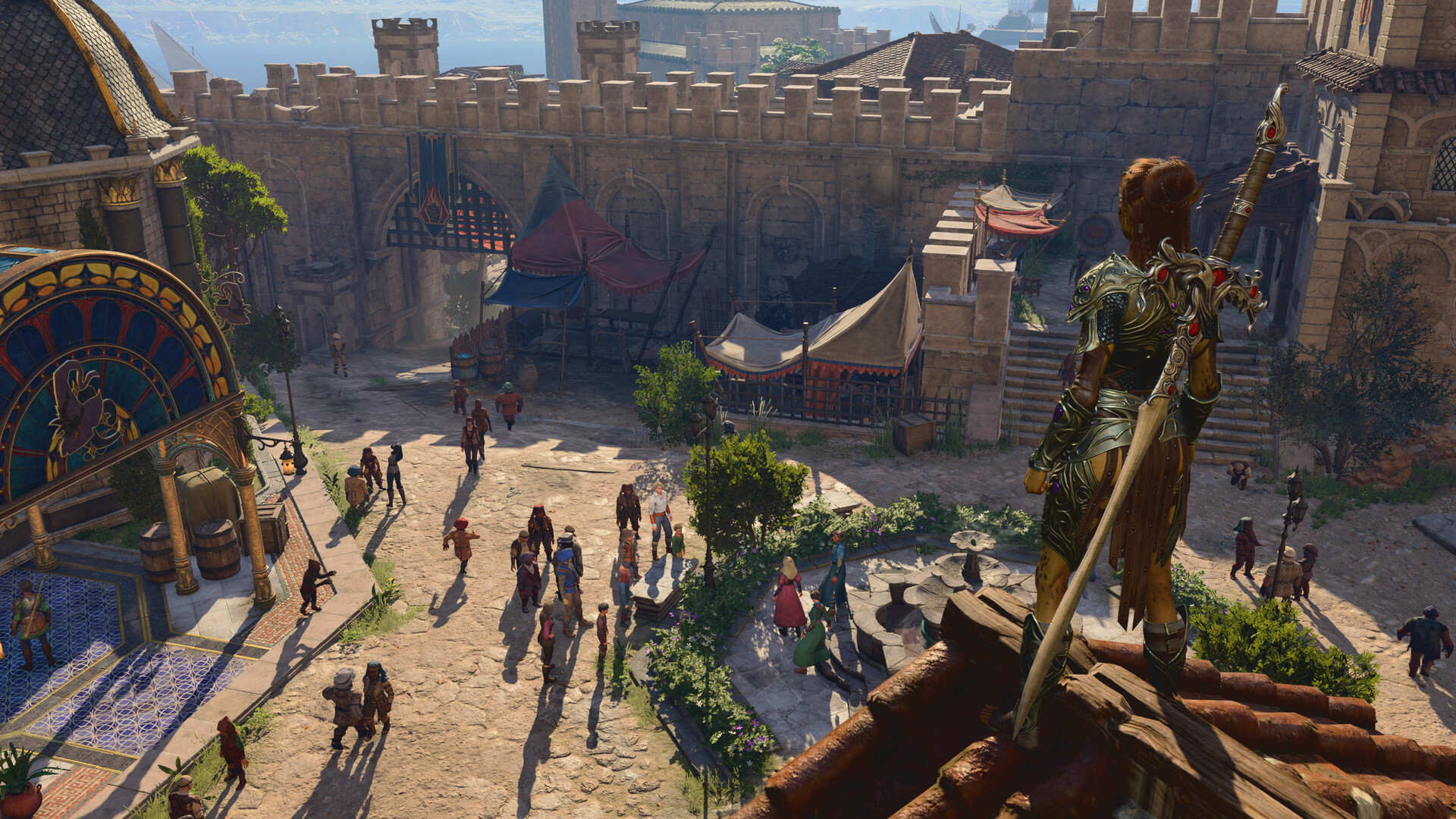
Baldur’s Gate 3 is a story-rich, party-based RPG set in the universe of Dungeons & Dragons, where your choices shape a tale of fellowship, survival, betrayal, and power. Source
What Makes a Class Beginner-Friendly?
The best beginner class in Baldur’s Gate 3 is one that gives you reliable damage, clear choices, and enough durability to survive mistakes. New players usually struggle less when their character can do one or two things very well instead of trying to solve every problem at once.
A beginner-friendly class usually has these traits:
- Simple combat loop: You can attack, move, and use one straightforward ability without needing a complicated setup.
- Good defenses: Heavy armor, high hit points, or strong self-sustain makes bad positioning less punishing.
- Flexible party value: You can help in combat and still contribute to exploration, dialogue, or skill checks.
- Low resource pressure: You do not need to track a huge number of spell slots, summons, or stacking buffs just to stay effective.
For example, a Fighter can often spend most turns making weapon attacks and still feel useful in the Goblin Camp, the dank corridors under the Blighted Village, and the early fights around the Overgrown Ruins. A Paladin gives you armor, healing, and burst damage, which makes fights like the fight at the Druid Grove gate or the skirmishes on the Risen Road easier to handle if you misplay a round. A Ranger is another comfortable option because it plays well in outdoor spaces, has dependable ranged damage, and can contribute with scouting around areas like the Wilderness, the swamps near Auntie Ethel, or the roads leading toward the Goblin Camp.
If you want the simplest answer to “what is the baldurs gate 3 best class for beginners,” the safest picks are usually Fighter first, Paladin second, and Ranger third. That does not mean other classes are weak. It means these three tend to forgive mistakes better while you are still learning action economy, positioning, concentration, and companion management.
Baldur’s Gate is a 1998 role-playing video game developed by BioWare and published by Interplay Entertainment. Source Baldur’s Gate 3 carries that classic party-RPG spirit forward, but the modern ruleset and encounter design reward learning one clean role before experimenting with more advanced builds. The game launched on Aug 3, 2023 and currently sits at 96 on Metacritic. Source Those numbers do not tell you how to build a character, but they do show why so many new players want a stable, beginner-proof starting point.
Baldur’s Gate 3 Best Class for Beginners: Top Starter Picks
The best starter classes for new players are Fighter, Paladin, Ranger, and Cleric, with Fighter being the most straightforward overall.
Here is a quick comparison to help you choose based on comfort level rather than raw theorycrafting:
| Class | Why it is beginner-friendly | Main downside for new players | Best if you want... |
|---|---|---|---|
| Fighter | Very simple turns, strong armor, easy weapon damage | Can feel plain if you want flashy magic | A low-stress first run |
| Paladin | Durable, hits hard, useful support tools | Needs some resource awareness | A holy knight playstyle |
| Ranger | Strong ranged play, easy positioning, good utility | Can underperform if pets or spells are misused | A flexible explorer |
| Cleric | Great survival, healing, and team support | More choices per turn than Fighter | A helpful party anchor |
| Barbarian | Tough and aggressive, easy melee pressure | Less subtle outside combat | A direct, angry bruiser |
Fighter
Fighter is the easiest class to recommend for a first playthrough because it is reliable from level 1 through the early game without asking you to master complex systems.
A Fighter’s job is simple:
- Wear good armor.
- Keep a solid weapon equipped.
- Attack the most dangerous enemy.
- Use positioning and basic tactics to stay alive.
That simplicity matters in real fights. For example, when you are dealing with multiple goblins in the Goblin Camp, a Fighter can stand in front and keep swinging while companions handle spells or healing. In the early wilderness fights, such as encounters near the crashed nautiloid or scattered bandits around the Overgrown Ruins, Fighter remains stable even if you move a little poorly. If you find yourself unsure what to do in combat, “attack the closest threat” is a perfectly good beginner plan.
A Fighter also teaches core BG3 fundamentals without overwhelming you. You learn:
- how armor class works,
- why high-ground positioning matters,
- when to push an enemy away,
- and how to conserve resources between fights.
If your only goal is to survive the learning curve, Fighter is often the most forgiving answer to the baldurs gate 3 best class for beginners question.
Paladin
Paladin is the best choice if you want a beginner class that still feels heroic and powerful in dialogue and combat.
Paladins are durable frontliners with burst damage and support utility. They can heal, smite enemies hard, and wear strong armor, which gives you room to make mistakes. A Paladin feels especially good in fights where you want one enemy deleted quickly, such as an enemy leader, a tough cultist, or a dangerous melee target threatening your backline.
Where beginners sometimes struggle is resource management. Paladin abilities are strong, but you should not spend everything too early. If you blow your best tools in the first round of every fight, later turns can feel weaker than they should. Still, the class is forgiving because your baseline weapon attacks remain solid.
Paladin is ideal if you like:
- a heroic fantasy role,
- strong defenses,
- support options that help the whole party,
- and a playstyle that rewards good target selection.
Ranger
Ranger is a great beginner class if you prefer ranged combat, scouting, and a more mobile playstyle.
A Ranger can stay out of danger while still contributing meaningful damage, which helps a lot when you are learning BG3’s terrain and line-of-sight rules. If a battle takes place on cliffs, broken walkways, or narrow paths, ranged attacks often feel easier to manage than melee commitments. Rangers also shine while exploring areas like the forest paths, swamp edges, and open camps because they can help spot threats before the fight starts.
For new players, Ranger tends to be comfortable because:
- you can keep your distance,
- you are not forced into complex spellcasting every turn,
- and your build often has a clear rhythm of shoot, reposition, and repeat.
The main thing to watch is overcomplication. If you try to manage every summon, trap, and buff at once, you can make the class feel busier than it needs to be. Keep it simple at first: attack from a safe angle, use movement well, and let companions handle the jobs you have not learned yet.
Cleric
Cleric is one of the strongest beginner classes if you want to keep the party alive and do not mind having more tactical choices.
Clerics are excellent because they combine healing, support, and respectable offense. They are a safer pick for players who worry about wiping early in tough fights. A Cleric can stabilize a run when a companion drops low, and a well-timed support spell can swing an encounter around the Druid Grove, the Underdark approach, or the Act 1 side fights that punish overextension.
The tradeoff is that Cleric asks you to read more tooltips. You may spend more time deciding whether to heal, buff, attack, or position. That is still manageable for a beginner, but it is not as brain-dead simple as Fighter.
Choose Cleric if you want:
- healing without feeling passive,
- strong team utility,
- and a class that teaches you party value beyond damage.
You might also like
- Baldur's Gate 3 Character Builder: Paladin Oathbreaker Frontliner
- Baldur's Gate 3 Paladin Build Guide
- Baldur's Gate 3 guide for beginners: A Practical Start-to-Finish Primer
- Baldur’s Gate 3 Beginner Guide: Getting Started Without Bricking Your Run
- Baldur’s Gate 3 Best Beginner Builds Guide
First-Hour Checklist: What to Do in the Opening 60 Minutes
Your first hour should focus on saving the illithid tutorial survivors, recruiting your first companions, looting basic gear, and learning how BG3 wants you to approach combat.
If you are trying to decide the baldurs gate 3 best class for beginners, the first hour is where that choice starts paying off. You should use the opening section of the game to stabilize your party and learn the fundamentals rather than rush to the next major story beat.
1. Finish the tutorial area carefully
Start by clearing the nautiloid in a slow, deliberate way. Pick up every useful healing item and weapon you can find, and do not be afraid to use the environment. The early ship section teaches you the game’s most important habit: look at the battlefield before you click attack.
Useful early examples include:
- using the control console routes and escape path,
- looting simple consumables,
- and learning that terrain and elevation matter even in a cramped space.
2. Recruit your earliest companions
As soon as the game gives you the chance, recruit companions so you are not trying to solve every problem alone.
Good early examples:
- Shadowheart near the beach area.
- Astarion near the crash site.
- Lae’zel in the early wilderness route.
Even if you do not plan to use all of them long-term, they give you options. A beginner-friendly party usually wants at least one character who can heal, one who can deal ranged damage, and one sturdy frontliner. That team structure matters more than perfect optimization.
3. Long rest before you feel “forced”
A lot of new players hoard long rests because they worry about wasting supplies. That fear often slows learning. In the early game, long resting is how you refresh class resources, advance certain companion scenes, and keep your party functional.
Use a long rest after:
- a tough combat sequence,
- a major story scene,
- or when your spell slots and healing tools start to feel thin.
4. Loot, but do not overload yourself
Pick up obvious upgrades and useful consumables, but do not waste time carrying junk. Early items that matter more than random clutter include:
- healing potions,
- weapon upgrades,
- armor your current character can actually equip,
- and scrolls for backup options.
5. Turn on helpful combat habits early
Learn these habits in your first hour:
- inspect enemies before committing,
- use high ground when possible,
- focus fire a single dangerous target,
- and keep your squishier characters away from melee pressure.
These habits matter in real examples like the fight against goblin groups, early bandit skirmishes, and the many small ambushes around the Wilderness. If you build the habit now, the rest of the game becomes much easier.
6. Set your beginner difficulty honestly
Do not treat easier settings as a failure. A first run is for learning systems, not proving something to strangers. If battles are taking too long or you are repeatedly losing after one mistake, lower the pressure and focus on understanding enemy patterns.
Resource Priority Order: What to Spend and Hoard First
You should spend early resources on survival, party readiness, and reliable gear upgrades, while hoarding rare consumables and unique utility items for fights you understand better.
This is one of the biggest hidden differences between a chaotic first run and a smooth one. Beginners often either spend too aggressively or stockpile everything until the end of the game. Neither approach helps. The right answer is somewhere in the middle.
Spend first on these priorities
Healing and revival tools
- Keep healing potions available.
- Use reviving resources when a companion falls and the fight still matters.
- Examples: potion usage after a rough goblin ambush, emergency recovery after a bad turn, or getting a downed frontliner back in the fight.
Weapon and armor upgrades that match your class
- A Fighter wants reliable martial weapons and armor.
- A Ranger benefits from gear that supports ranged attacks.
- A Cleric wants gear that keeps concentration and survivability stable.
- Buy or equip upgrades only when they clearly improve your current role.
Camp supplies for long rests
- Long rests are not a luxury; they are part of the game’s rhythm.
- New players should not fear resting when spellcasters are out of resources.
Scrolls and consumables for flexibility
- Scrolls can save a run when a fight goes sideways.
- Keep utility items for unexpected problems instead of using every tool immediately.
Hoard these until you know when to use them
- Rare elixirs and special grenades.
- High-value spell scrolls.
- Unique quest items that look like they may matter later.
- Special arrows or bombs you have not tested yet.
Craft and manage with restraint
BG3 rewards improvisation, but beginners should still be selective. Crafting or combining items is most useful when:
- you know the effect,
- the item will solve a current problem,
- or the result clearly fits your party role.
For example, if your frontliner keeps dropping, prioritize anything that improves survivability over flashy damage gimmicks. If your Ranger keeps missing due to bad positioning, spend resources on practical combat tools rather than novelty items. If your party has no reliable support, healing and restoration tools are more valuable than hoarding every odd trinket.
The simplest beginner rule is this: spend on staying alive, save the rest for when you understand the encounter better.
Common Mistakes New Players Make and How to Fix Them
The most common beginner mistakes in Baldur’s Gate 3 come from treating it like a pure action game, overvaluing raw damage, or refusing to use the systems that make the game easier.
1. Ignoring long rests
Many new players avoid long rests because they think they are wasting supplies or time.
- Why it happens: In other RPGs, resting can feel like a penalty.
- Concrete fix: Long rest after major fights or when key resources are low, especially if your Wizard, Cleric, or Paladin has used up important abilities.
- Examples: after a rough battle near the Goblin Camp, after story-heavy camp sequences, or after your healer has spent most of their support tools.
2. Spreading ability scores too thin
Beginners often try to make one character good at everything.
- Why it happens: It feels safe to have balanced stats.
- Concrete fix: Focus on the ability that actually powers your class. Fighters want strong martial stats, Rangers want clean ranged or weapon scaling, Clerics care about their spell-related priorities, and so on.
- Examples: a melee Fighter with split stats underperforms, a Ranger who spreads too thin loses damage, and a Paladin who ignores core combat stats can feel weaker than expected.
3. Hoarding consumables forever
A lot of players finish Act 1 with a backpack full of potions, scrolls, bombs, and arrows they never used.
- Why it happens: People fear wasting rare items.
- Concrete fix: Use consumables on fights that actually threaten a wipe, especially boss-like encounters or multi-enemy ambushes.
- Examples: use healing potions when a companion is about to drop, use a control scroll when enemies cluster on a bridge, and use special arrows when you can exploit high ground.
4. Letting the whole party stand in one place
Grouping up is a classic beginner instinct, but it can be dangerous.
- Why it happens: It feels easier to manage everyone together.
- Concrete fix: Spread out before combat begins so one spell or explosive effect does not punish your whole group.
- Examples: separate your backline before entering a room, keep casters away from melee threats, and do not stack four characters on one narrow staircase.
5. Auto-attacking without checking enemy resistance or positioning
Beginners sometimes click attack on the nearest target without looking at armor, terrain, or threat level.
- Why it happens: Fast fights can reward impulse.
- Concrete fix: Inspect enemies, target the most dangerous opponent, and use high ground or choke points when available.
- Examples: focus the enemy spellcaster first, move your archer to a ledge, and pin melee enemies in a doorway instead of chasing them in open ground.
6. Using the “wrong” beginner class for your own patience level
Even the best beginner class is wrong if it does not match how you like to think.
- Why it happens: Players pick a class because it is strong, not because it fits their comfort zone.
- Concrete fix: Choose Fighter if you want the least friction, Paladin if you like durable burst damage, Ranger if you want distance and mobility, or Cleric if you enjoy support and control.
- Examples: a player who hates micromanagement should avoid overly busy setups, while a player who likes flexibility may do better with Cleric than with a pure damage class.
Common Mistakes
The mistakes below are worth calling out separately because they slow beginners down even when they understand the basics.
Mistake: Saving every spell slot for “later.”
Why players do it: they are afraid of running dry too early.
Fix: spend resources on real threats; you are meant to rest and reload.Mistake: Charging every enemy head-on.
Why players do it: it feels like the fastest way to win.
Fix: pull enemies into chokepoints, use range, and attack from better ground.Mistake: Ignoring companion roles.
Why players do it: they focus only on their main character.
Fix: build a simple team plan with one frontliner, one support, and one ranged damage dealer.Mistake: Selling or dropping useful consumables.
Why players do it: inventory clutter looks overwhelming.
Fix: keep healing, revive, and control tools; sell only true junk.Mistake: Picking a class for theme only.
Why players do it: the roleplay fantasy is tempting.
Fix: choose the class that matches your comfort with buttons, positioning, and resource tracking.Mistake: Forgetting to inspect gear and tooltips.
Why players do it: they assume upgrades are obvious.
Fix: read the item text before equipping; some weapons and armor have niche effects that matter more than raw stats.
Pro Tips
These tips go beyond the obvious beginner advice and help you play more intelligently once the basics start clicking.
Tip 1. Open fights from stealth when the terrain allows it
If your party is hidden before combat starts, you can often begin with a free advantage. This is especially useful near goblin patrols, bandit packs, and outdoor ambushes where one good opening strike can remove a dangerous enemy before it acts.
Tip 2. Use your frontliner to shape enemy movement
If you have a Fighter or Paladin, stand where enemies must decide between hitting you or wasting movement. Doorways, ladders, and narrow bridges are excellent examples. You are not just dealing damage; you are controlling space.
Tip 3. Keep one emergency tool for bad turns
If your party is learning, a bad turn will eventually happen. Keep at least one potion, scroll, or escape option for when positioning collapses, a healer drops, or an enemy gets a lucky opening. That backup often saves an entire encounter.
Tip 4. Let companions cover your weak points
You do not need every character to be self-sufficient. A Fighter can lean on a Cleric for support, a Ranger can rely on a strong melee ally, and a Paladin can function better when someone else handles crowd control. A balanced party is easier than a perfectly optimized solo build.
Tip 5. Stop chasing every enemy
New players often waste turns running after a target that is already functionally irrelevant. If an enemy is far away and not threatening your team, pressure the opponents that can actually swing the fight right now.
Graduation Threshold: When You Are No Longer a Beginner
You are out of the beginner phase once you can read a fight, manage resources across several encounters, and build your party without constantly second-guessing every decision.
That does not mean you know everything. It means you have moved from survival learning to real strategy. You will usually notice this shift when several things start happening naturally:
- You inspect enemies before attacking instead of after.
- You know when to long rest without feeling anxious.
- You can tell whether a class is simple, technical, or resource-hungry.
- You understand when to use consumables instead of hoarding them.
- You can move your party in a way that respects high ground, spacing, and chokepoints.
Examples of beginner-to-intermediate progress include:
- beating a tough encounter without burning every item in your bag,
- adjusting your party before entering a boss room,
- and choosing class tools based on the fight instead of pressing the same buttons every time.
Another good sign is that the question “what is the baldurs gate 3 best class for beginners” becomes less important than “what class do I enjoy enough to keep improving?” At that point, you are ready to branch out. You might try a more technical spellcaster, a stealth-focused build, or a more specialized multiclass setup.
A simple way to judge your readiness is this: if you can finish early-game fights, recruit companions, manage rests, and understand why a battle was won or lost, you have passed the beginner threshold. From there, the game becomes less about avoiding mistakes and more about shaping your own style.
Related Guides
- ring which should you Baldur’s Gate 3 class tier list for new players
- related guide Baldur’s Gate 3 beginner build guide
- honor mode builds tips Baldur’s Gate 3 companion guide
- related guide Baldur’s Gate 3 early game walkthrough
- related guide Baldur’s Gate 3 best party composition
- error code 804 tips Baldur’s Gate 3 combat tips for beginners
- related guide Baldur’s Gate 3 multiclass guide
- related guide Baldur’s Gate 3 loot and inventory guide
Sources
- https://store.steampowered.com/app/1086940/
- https://en.wikipedia.org/wiki/Baldur's_Gate_(video_game)
See also
- Baldur's Gate 3 Monk Build
- Baldur’s Gate 3 Fun Builds: A Complete Build Guide
- Baldur's Gate 3 Karlach Build Guide
- Baldur’s Gate 3 Bard Build: Best Support, Control, and Damage Setup
- Baldur's Gate 3 Build Guide: Build Ideas That Actually Work
- Baldur’s Gate 3 Beginner Guide: Smart Start, Priority Resources, and Early-Game Mistakes
- Baldur's Gate 3 Build Guide: Paladin-Lock Smite Build
- Baldur's Gate 3 Builds Reddit: Best Build Guide
- Baldur's Gate 3 Character Creation Beginner Guide
- Baldur's Gate 3 Treasure Pack Beginner Guide
Screenshots



Reviewed by
BG3 Hub Editorial
Expertise: Editorial team behind BG3 Hub. Content is compiled from official patch notes, community wikis, and playthrough notes, then reviewed and updated on schedule.
Sources
Baldur's Gate 3 Classes Guides →
Browse the complete classes collection and its focused guides.
Related Guides
🔥 Popular Guides

bg3 class tier list act 1
Act 1 BG3 class tier list with S/A/B ranks, matchup flips, mistakes, tips, and an FAQ for new and returning players.
BG3 Top Baldur's Gate 3 Builds Guide
Best BG3 builds explained with roles, stats, gear, counters, budget swaps, and pro tips for any difficulty.
bg3 best builds for honor mode: Baldur’s Gate 3 Build Guide
Top BG3 Honor Mode builds, stat priorities, gear, counters, and budget options for a safer Baldur’s Gate 3 run.
Baldur's Gate 3 Class Tier List
S, A, and B class rankings for BG3 with methodology, situational flips, patch notes, mistakes, pro tips, and FAQs.
📋 Patch Notes & Updates
🛠️ Popular Tools
Was this guide helpful?
Rate this guide so we can improve it.
Share your own tip
Found something not in the guide? Submit it below — our editors review every tip before publishing. No account required.