 Baldur's Gate 3
Baldur’s Gate 3 beginner tips reddit: A Complete Beginner Guide
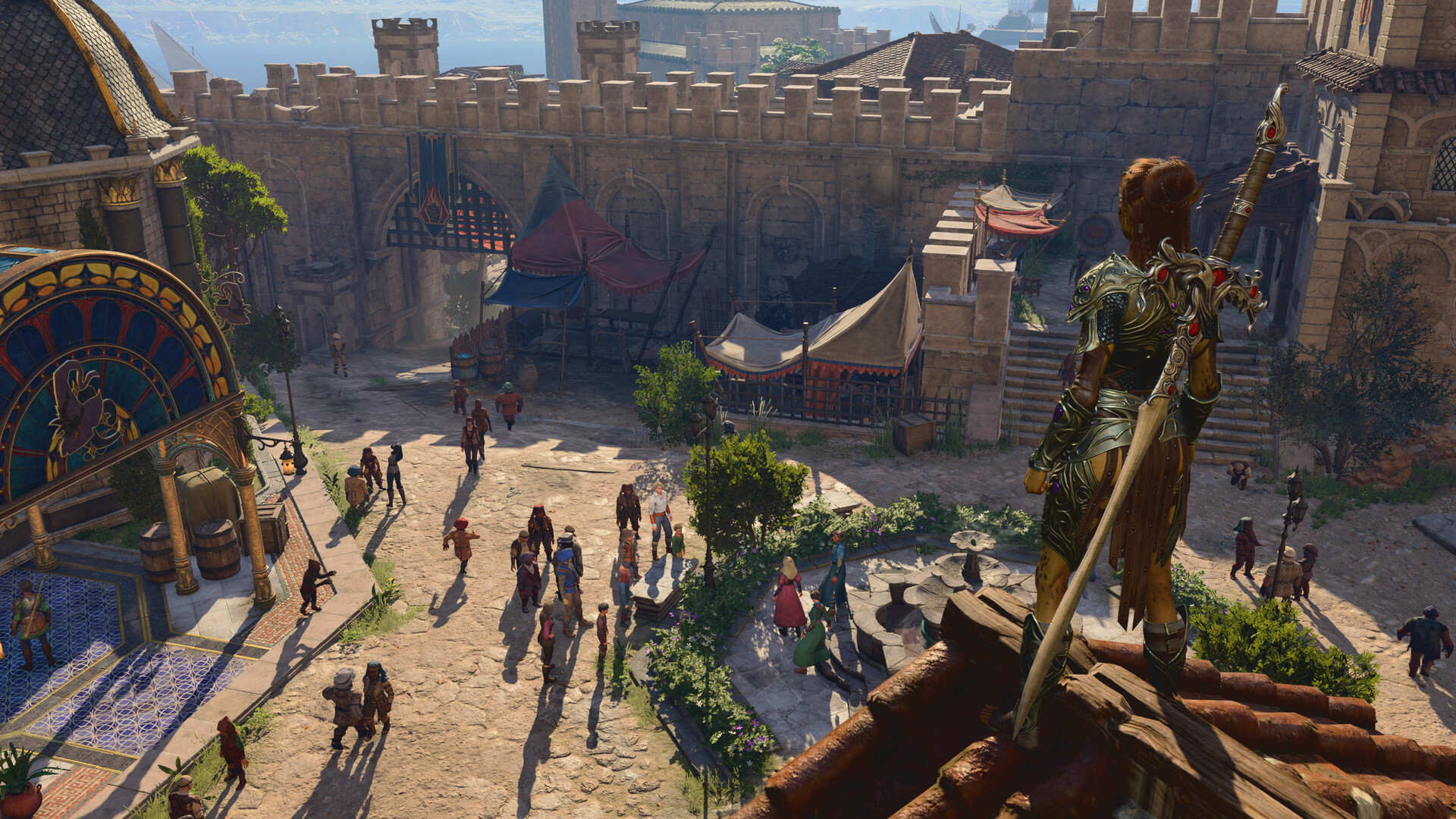
Quick Answer: For baldurs gate 3 beginner tips reddit, focus on exploration, rest often, talk to everyone, keep a balanced party, and save resources for tough fights rather than spending everything immediately.
First-Hour Checklist
Your first hour in Baldur’s Gate 3 should be spent building momentum, not rushing the main quest. The strongest beginner start comes from grabbing companions, unlocking useful systems, and setting up habits that make the whole campaign smoother.
Do these actions first
- Loot your starting area thoroughly. After the Nautiloid intro, search every room, corpse, and container you can safely reach. Early consumables like scrolls, potions, and arrows matter a lot more than they first appear.
- Recruit your first companions early. Aim to pick up Shadowheart, Astarion, and Lae’zel as soon as possible so you can start learning party roles right away. A full party gives you more combat options, more dialogue reactions, and more flexibility for skill checks.
- Set a habit of quick-saving before important choices. Before opening suspicious doors, clicking odd objects, or starting conversations with unknown NPCs, save. Baldur’s Gate 3 rewards improvisation, but beginners learn faster when they can safely test outcomes.
- Check your spell slots, class features, and action economy. If you are playing a spellcaster, note what uses a spell slot and what is a cantrip. If you are a fighter, learn when to use Action Surge or special weapon abilities. Early understanding here prevents a lot of wasted turns.
- Explore the area around the crash site and the Wilderness. The first map is packed with easy encounters, side paths, and useful gear. Don’t beeline the main objective and miss opportunities like the nearby ruins, companions, and early vendors.
The smartest early priorities
Your beginner goal is not perfection; it is stability. A good first hour usually includes:
- one healer or support spell available,
- one frontliner who can take hits,
- one ranged damage dealer,
- one stealth or lockpicking option.
That can come from class choice or companions. For example, Lae’zel can anchor the front line, Astarion can handle locks and sneaky attacks, and Shadowheart can keep the party alive with support magic. If your own character overlaps one of these roles, even better.
What to ignore for now
New players often get distracted by optimizing every detail immediately. Don’t do that. In the opening stretch, it is more important to:
- learn how terrain affects fights,
- understand initiative and turn order,
- notice high ground advantages,
- and experiment with dialogue options.
If you came here searching for baldurs gate 3 beginner tips reddit, this is the part that mirrors what experienced players usually repeat: the game is generous if you explore, rest, and read tooltips, but it punishes rushing blind into every encounter.
Resource Priority Order
You should spend gold, consumables, and crafting items in Baldur’s Gate 3 with a “survive now, optimize later” mindset. The game is full of tempting gear and one-time-use items, but beginners get the most value by hoarding the right things and spending only on upgrades that solve immediate problems.
Spend first on these things
Weapons or armor that fix a weak slot.
If your frontliner is still wearing poor armor, or your ranger has a bad bow, a clean upgrade is worth it. For example, a better shield for Shadowheart or a stronger melee weapon for Lae’zel can have a bigger impact than several minor trinkets.Camp supplies and survival basics.
Long rests are powerful, and beginners should not be afraid to use them. Buy or keep enough supplies so your party can recover often. That lets spellcasters refresh key abilities and prevents “I should have rested earlier” mistakes.Key consumables.
Keep healing potions, anti-status items, resurrection help, and useful scrolls. A scroll of Magic Missile, Feather Fall, or Speak with Animals can solve a problem when your normal toolkit cannot.Lockpicks and thieves’ tools.
These are not glamorous, but they unlock doors, chests, and shortcuts all over the early game. Astarion is especially valuable here, but any party with the right gear can benefit.Respec and role-fixing choices later, not immediately.
Don’t spend resources trying to force your class into a perfect build on the first run. It is better to understand your current kit first.
Hoard these things early
- Scrolls you don’t understand yet. Many beginners waste strong scrolls on easy fights because they feel pressured to use everything. Keep the good ones for harder encounters.
- Potions of speed, invisibility, and rare utility items. These are fight-changing tools, not everyday snacks.
- Special arrows and throwables. Alchemical items can turn a hard battle into an easy one. Hold onto them until you see a real need.
- Camp-specific ingredients and crafting materials. If you are unsure what something does, store it instead of selling it immediately.
Crafting and alchemy priorities
Crafting in Baldur’s Gate 3 is best treated as a support system, not your main power source. Focus on practical outputs:
- healing and restoration items,
- elemental coatings,
- throwable bombs or grenades,
- and utility consumables tied to exploration.
If you have materials for one-use effects that solve terrain or status issues, those are excellent beginner investments. For example, a bottle of grease-style control, a fire surface, or a mobility tool can make a fight much safer than raw damage alone.
Simple spending rule
Use this rule of thumb:
- Buy: gear upgrades that immediately help the party.
- Keep: scrolls, rare consumables, and utility items.
- Sell: duplicate junk, weak gear you have outgrown, and items with no current use.
That approach keeps your economy healthy without overcomplicating early decisions.

You might also like
- baldur's gate 3 vs elden ring: which should you play?
- baldurs gate 3 best class for beginners: A Beginner Guide to Starting Strong
- Baldur's Gate 3 Character Builder: Paladin Oathbreaker Frontliner
- Baldur's Gate 3 Paladin Build Guide
- Baldur's Gate 3 guide for beginners: A Practical Start-to-Finish Primer
Common Mistakes New Players Make
The most common beginner problems in Baldur’s Gate 3 come from treating it like a standard action game instead of a tactical RPG built around positioning, dialogue, and resource management. The good news is that almost every mistake has a clean fix.
1. Saving all spells and abilities forever
Many new players hoard spell slots, per-rest powers, and consumables until the party is underpowered and stressed.
Why it happens: The game makes resources feel scarce, so beginners think they should save everything for the “real” fight.
Fix: Use your tools in ordinary fights and rest more often. If a wizard has Sleep, Magic Missile, or a control spell that would end a fight quickly, cast it. If Shadowheart can stabilize the party with healing or support, that is better than waiting until someone is downed.
2. Ignoring positioning and high ground
Players often stand wherever the fight starts and trade hits.
Why it happens: It is easy to assume every battle is about raw stats.
Fix: Move ranged characters to ledges, stairways, rooftops, or elevated terrain. Use choke points, doorways, and narrow corridors. A fight near the Blighted Village, the Goblin Camp, or any multi-level area becomes much easier when you control space instead of just damage.
3. Trying to do everything with one character
Beginners sometimes build a “hero” who is supposed to fight, pick locks, talk, heal, and cast spells all at once.
Why it happens: RPGs encourage customization, and that can lead to overloading one character with too many jobs.
Fix: Let the party specialize. Keep Astarion as your scout and lockpicker, Shadowheart as support, Lae’zel or another martial character as your frontliner, and your custom character focused on one or two strengths.
4. Missing short rests and long rests
Some players push forward with depleted health and abilities because they fear wasting time.
Why it happens: In many games, resting is framed as a loss of momentum.
Fix: Rest when the party’s tools are drained. Baldur’s Gate 3 expects you to recover. Use short rests after rough fights and long rests when key abilities are gone. This is especially important after fights where your casters used major spell slots.
5. Selling or using every interesting item too early
Beginners often clear inventory space by dumping useful scrolls, potions, and special arrows.
Why it happens: The inventory fills quickly, and new players want a tidy bag.
Fix: Keep a “maybe later” stash in camp or on one character. Strong examples include mobility tools, elemental consumables, and rare scrolls. An item you do not need today can save a quest or boss fight tomorrow.
6. Rushing dialogue without reading options
Baldur’s Gate 3 is extremely dialogue-driven, and skipping lines can create avoidable trouble.
Why it happens: Players used to action RPG pacing may treat conversations as filler.
Fix: Read the full list of choices, check for class tags, and look for persuasion, deception, or insight opportunities. Sometimes the best outcome comes from a quiet, careful line instead of the obvious aggressive one.
Pro Tips
These beginner-to-intermediate tips go beyond the basics and help you play more efficiently once the fundamentals click.
Tip 1. Use environmental damage on purpose
If you see oil, grease, fire, explosive barrels, or a ledge, treat the battlefield like a weapon. A well-placed shove into a pit near Goblin Camp-style terrain or a fire surface created by a spell can swing a fight far more than an extra sword swing.
Tip 2. Examine enemies before committing
Right-click or inspect enemies to check resistances, vulnerabilities, and special traits. A creature weak to fire, for example, may crumble under a carefully placed spell, while another may shrug off the same plan completely.
Tip 3. Open fights from stealth when possible
Starting combat with Astarion, a bow user, or a high-ground caster gives you a big advantage. Surprising enemies, breaking line of sight, or landing a strong opening hit often means the enemy starts the fight already behind.
Tip 4. Keep one party member flexible for utility
A slot for Mage Hand, Feather Fall, a lockpick expert, or a ritual-style utility spell can save hours of frustration. It is often better to have one adaptable character than four pure damage dealers.
Tip 5. Talk to companions often, not only after major quests
Companion approval, story progression, and useful context often come from regular conversations at camp. If you only talk to your party when a quest updates, you miss a lot of useful information and relationship growth.
Tip 6. Use vertical combat to protect fragile characters
Wizards, sorcerers, and ranged attackers survive much better when they are not standing on the same plane as a charging melee enemy. Put Gale-type casters on high ground whenever you can, and keep melee threats forced through narrow routes.
Tip 7. Learn when to disengage
Not every battle is meant to be won at full strength on the first attempt. If a fight goes badly, retreat, reposition, or reload after learning enemy behavior. Baldur’s Gate 3 rewards adaptation far more than stubbornness.
Graduation Threshold: When You’re No Longer a Beginner
You are out of the beginner phase when you can handle most fights, conversations, and inventory decisions without feeling lost. That usually happens once you stop asking, “What does this system do?” and start asking, “What is the best choice for this situation?”
Clear signs you have graduated
- You understand what your party does in combat without checking every tooltip.
- You know when to use a short rest versus a long rest.
- You can identify which consumables are worth saving.
- You routinely inspect enemies before a fight.
- You use positioning, terrain, and dialogue choices on purpose.
Practical milestones
A new player becomes a more confident player when they can do things like:
- win an encounter by using high ground instead of brute force,
- solve a locked area with stealth or tools rather than brute damage,
- choose dialogue options based on quest goals rather than guessing,
- and manage a party where each member has a clear job.
For many people, that turning point comes after a few major early-game zones where they have seen enough variety to recognize patterns. You no longer need to panic over every outcome because you understand the game’s “language”: action economy, positioning, resources, and role synergy.
What to do next
Once you reach that point, shift from survival mode to build refinement:
- refine your class direction,
- experiment with stronger gear combinations,
- think about party composition across the whole campaign,
- and start planning around tougher story encounters.
This is also the right time to look for deeper class and build advice, because your questions become more specific. Instead of “How do I survive?” you start asking “How do I maximize this subclass?” or “What party setup supports my playstyle best?”
Common Mistakes
This section overlaps with the most damaging beginner traps and gives you a quick reference you can revisit while playing.
Mistake: Overexploring every corner while low on resources.
Why it happens: The map is full of points of interest, and curiosity is rewarded.
Fix: Clear one objective cluster at a time, then rest and return with full resources.Mistake: Using every companion like a copy of your main character.
Why it happens: New players like familiar play patterns, so they mirror the same role across the whole party.
Fix: Assign one dedicated support, one frontline, one ranged damage dealer, and one utility specialist.Mistake: Ignoring stealth, advantage, and surprise.
Why it happens: Turn-based systems can feel slower than direct action, so players rush into open combat.
Fix: Start fights from stealth when possible and open with a strong first strike.Mistake: Not checking the battlefield before ending a turn.
Why it happens: Players focus on damage numbers and forget enemy movement.
Fix: End turns only after checking hazards, enemy melee range, and possible escape routes.Mistake: Assuming a tough encounter must be fought immediately.
Why it happens: Many games train players to fight whatever is in front of them.
Fix: Leave, level up, get better gear, or return with more resources if the encounter feels unfair.
FAQ
Do I need to know Dungeons & Dragons to enjoy Baldur’s Gate 3?
No, you can learn the rules naturally through play. The game teaches its systems through tooltips, combat flow, and party interactions, so D&D knowledge helps but is not required.
Should I make my first character a custom hero or play as an origin character?
A custom hero is usually best for beginners who want freedom, while an origin character can be great if you already know which companion story interests you. Either works, but custom is the simplest first pick.
Is it okay to rest a lot?
Yes. Resting is part of the game’s intended rhythm, and beginners should not try to “save” rests so aggressively that they enter fights weakened.
What party composition is easiest for beginners?
A balanced team with one frontline character, one support character, one ranged damage dealer, and one utility or stealth character is the easiest way to stay flexible.
What is the biggest early-game trap?
The biggest trap is rushing forward without understanding your resources. If you ignore positioning, dialogue, and recovery, the game becomes much harder than it needs to be.
Related Guides
- Baldur’s Gate 3 Best Beginner Classes
- Baldur’s Gate 3 Early Game Build Guide
- Baldur’s Gate 3 Walkthrough: Act 1 Starter Route
- Baldur’s Gate 3 Companion Guide
- Baldur’s Gate 3 Combat Basics for New Players
- Baldur’s Gate 3 Best Starting Party Compositions
Sources
- https://store.steampowered.com/app/1086940/
- https://en.wikipedia.org/wiki/Baldur's_Gate_(video_game)
See also
- Baldur’s Gate 3 Beginner Guide: Getting Started Without Bricking Your Run
- Baldur’s Gate 3 Best Beginner Builds Guide
- Baldur's Gate 3 Monk Build
- Baldur's Gate 3 Karlach Build Guide
- Baldur’s Gate 3 Bard Build: Best Support, Control, and Damage Setup
- Baldur's Gate 3 Builds Reddit: Best Build Guide
- Baldur's Gate 3 Build Guide: Build Ideas That Actually Work
- Baldur’s Gate 3 Beginner Guide: Smart Start, Priority Resources, and Early-Game Mistakes
- Baldur's Gate 3 Build Guide: Paladin-Lock Smite Build
- Baldur’s Gate 3 Best Builds Guide
Screenshots



Reviewed by
BG3 Hub Editorial
Expertise: Editorial team behind BG3 Hub. Content is compiled from official patch notes, community wikis, and playthrough notes, then reviewed and updated on schedule.
Sources
Related Guides
%27/><stop offset=%271%27 stop-color=%27hsl(80,50%,18%)%27/></linearGradient></defs><rect width=%27460%27 height=%27215%27 fill=%27url(%23g)%27/><text x=%27230%27 y=%27115%27 text-anchor=%27middle%27 font-family=%27sans-serif%27 font-size=%2724%27 font-weight=%27700%27 fill=%27rgba(255,255,255,0.85)%27>App 1086940</text><text x=%27230%27 y=%27142%27 text-anchor=%27middle%27 font-family=%27sans-serif%27 font-size=%2711%27 fill=%27rgba(255,255,255,0.6)%27>no image yet</text></svg>)
🔥 Popular Guides

bg3 class tier list act 1
Act 1 BG3 class tier list with S/A/B ranks, matchup flips, mistakes, tips, and an FAQ for new and returning players.
BG3 Top Baldur's Gate 3 Builds Guide
Best BG3 builds explained with roles, stats, gear, counters, budget swaps, and pro tips for any difficulty.
bg3 best builds for honor mode: Baldur’s Gate 3 Build Guide
Top BG3 Honor Mode builds, stat priorities, gear, counters, and budget options for a safer Baldur’s Gate 3 run.
Baldur's Gate 3 Class Tier List
S, A, and B class rankings for BG3 with methodology, situational flips, patch notes, mistakes, pro tips, and FAQs.
📋 Patch Notes & Updates
🛠️ Popular Tools
Frequently Asked Questions
Quick answers from the guide · click a question to expand.
Do I need to know Dungeons & Dragons to enjoy Baldur’s Gate 3?
No, you can learn the rules naturally through play. The game teaches its systems through tooltips, combat flow, and party interactions, so D&D knowledge helps but is not required.
Should I make my first character a custom hero or play as an origin character?
A custom hero is usually best for beginners who want freedom, while an origin character can be great if you already know which companion story interests you. Either works, but custom is the simplest first pick.
Is it okay to rest a lot?
Yes. Resting is part of the game’s intended rhythm, and beginners should not try to “save” rests so aggressively that they enter fights weakened.
What party composition is easiest for beginners?
A balanced team with one frontline character, one support character, one ranged damage dealer, and one utility or stealth character is the easiest way to stay flexible.
What is the biggest early-game trap?
The biggest trap is rushing forward without understanding your resources. If you ignore positioning, dialogue, and recovery, the game becomes much harder than it needs to be.
Was this guide helpful?
Rate this guide so we can improve it.
Share your own tip
Found something not in the guide? Submit it below — our editors review every tip before publishing. No account required.