 Baldur's Gate 3
Baldur's Gate 3 Mind Claw of Tu'narath class action
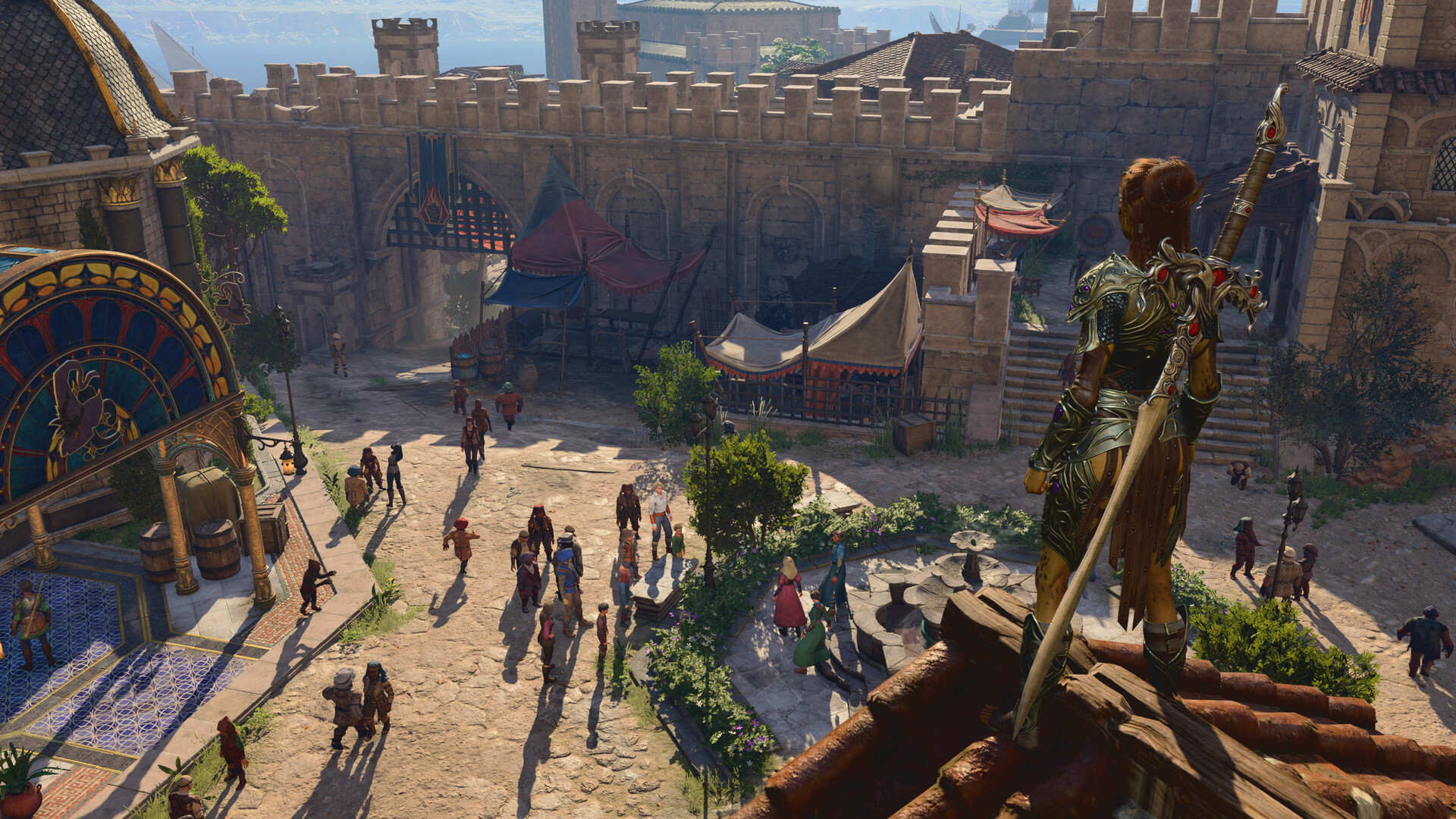
Quick Answer: Baldur's Gate 3 Mind Claw of Tu'narath class action is Inquisitor W’wargaz’s Honour Mode legendary action in the Crèche Y'llek fight: it temporarily summons Mind-Claw enemies that attack with a psionic blade, and it is best handled by focusing the boss down.
What the Mind Claw of Tu'narath Actually Is
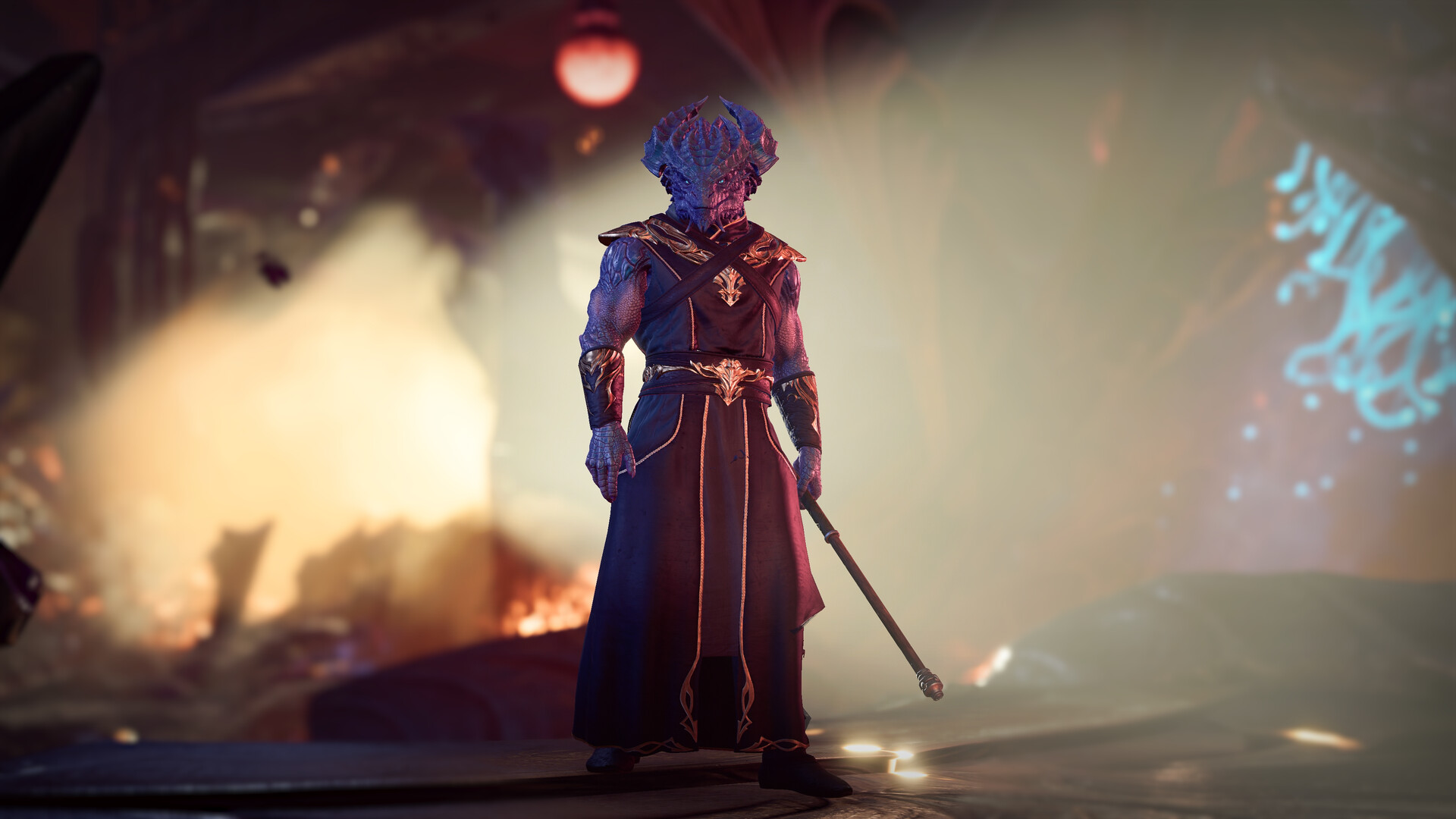
Baldur's Gate 3 Mind Claw of Tu'narath class action is not a player class feature in the usual sense; it is a boss-facing legendary action tied to Inquisitor W’wargaz in Honour Mode. The effect is simple in principle and dangerous in practice: when it triggers, it summons temporary Mind-Claw enemies, and those Mind-Claws use a psionic blade. The core behavior matters more than the label. You are not dealing with a long-duration summon, a standard minion pack, or a persistent arena mechanic. You are dealing with a reactive threat that exists to punish your turn structure and force attention away from the main target.
The most important thing to understand is that the Mind-Claw is a manifestation of Vlaakith’s rage in the form of a psionic blade. That framing is not just lore flavor; it matches the way the ability behaves in combat. It is a burst disruption tool attached to a boss that already wants to dominate the action economy through high Armour Class and allied support. In Honour Mode, that makes the fight less forgiving than a normal act-one boss encounter, because the legendary action punishes sloppy target selection and rewards overcommitting damage into the wrong turn window.
The relevant encounter context is Inquisitor W’wargaz in the Githyanki Crèche sequence. The mechanic is part of the Honour Mode version of that fight, so if you are not in Honour Mode, you should not expect the same pressure from this legendary action. In practice, the mechanic exists to make the boss feel more like a control check than a pure damage race. The correct response is not to spread damage across the room, but to keep pressure on W’wargaz while neutralizing the enemies already on the field.
For a nearby systems reference, the closest sibling guide would be Honor Mode boss actions and Githyanki Crèche encounters.
Definition, Effect, and Requirements
The Mind Claw of Tu'narath effect is a temporary summon tied to Inquisitor W’wargaz’s Honour Mode legendary action, and it only appears under the encounter conditions described above. The practical requirement is straightforward: you must be fighting W’wargaz in Honour Mode for the mechanic to matter. The source material identifies it as a legendary action rather than a standard spell or class action, which is why it behaves like a boss-specific trigger instead of a player-acquired ability.
There are three concrete facts to keep straight:
- It is associated with Inquisitor W’wargaz in Honour Mode.
- It summons temporary Mind-Claw enemies.
- Those Mind-Claws use a psionic blade.
Because it is a temporary summon, the Mind-Claw is not the same kind of threat as a permanent minion you need to plan around for the whole fight. The point is tempo: the summon buys the boss breathing room, forces positioning mistakes, and can make your damage dealer pay a tax in the form of a blade effect. The trigger is also reactive. The action is described as being based on who attacks the boss, and the blade lands on the ally who initiated the attack. That detail matters because it changes how you sequence your openings.
A useful way to think about the mechanic is in comparison with other class- or gear-granted actions in BG3. Game8’s class action guide notes that class actions are tied to specific classes, but also that some are granted by select weapons or armor, such as Phalar Aluve’s Melody. Mind Claw of Tu'narath does not sit in that player-facing category. It is an enemy legendary action, which means you do not equip it, unlock it, or slot it into a hotbar. You counter it.
The surrounding Honour Mode context is also worth grounding. Deltia’s Gaming describes Honour Mode as the setting that gives bosses Legendary Actions and ends the campaign on total party death. That makes this mechanic more than a flavor line: it is part of the ruleset that raises the cost of mistakes. For numeric game context, Baldur’s Gate 3 has a HowLongToBeat main story estimate of 72.77 hours, and Steam currently shows the game at 96.8% positive across 851815 reviews, which is a reminder that this is a heavily analyzed, systems-driven RPG rather than a loose action game. Those numbers do not change the mechanic, but they do frame how much encounter tuning and community knowledge matters.
Concrete limits and scope
- Only relevant in the W’wargaz Honour Mode encounter.
- Temporary summon, not a permanent control point.
- Triggered by attacking the boss.
- Blade pressure lands on the initiating ally.
That is the full mechanical footprint players need before they start planning around it.
You might also like
- Baldur's Gate 3 Is There Crossplay Updated 8/3/2023 Crossplay for is currently unavailable Beginner Guide
- Baldur's Gate 3 dungeons and dragons spells players expect work same: what actually changes
- Baldur's Gate 3 best romances dungeons dragons dnd novels feywild job
- Baldur's Gate 3 karlach laezel human versions custom characters
- Baldur's Gate 3 dungeons and dragons mistakes new players make
Where It Triggers and How to Encounter It
The Mind Claw of Tu'narath trigger appears in the Inquisitor W’wargaz fight in the Githyanki Crèche sequence, and that is where you should expect to see it. This is not a loose world event or a general class unlock tied to leveling; it is an encounter-specific legendary action. The search snippet from bg3.wiki identifies the mechanic as “Mind-Claw of Tu’narath (Class Action),” but the more useful interpretation in play is that this is the boss’s response package in Honour Mode rather than a player selection.
The fight itself sits in Act 1, inside the Crèche-related progression, which makes the mechanic especially relevant for Honour Mode routes that try to preserve resources before the game opens up more broadly in Act 2. Because Honour Mode punishes failed sequencing, the issue is not just raw survivability. It is whether you enter the encounter with a plan for turn one, because a reactive summon can balloon quickly if you spend your opener inefficiently.
What matters at trigger time is the relationship between the attacker and the boss. The legendary action is described as being triggered based on who attacks W’wargaz, and the blade is placed on the ally who initiated the attack. That means your opener should not be random. If your main damage dealer takes the first shot and then gets burdened by the blade, you have just forced your own carry to spend actions and movement cleaning up a side problem. The better line is to use an expendable ally or summon to bait the trigger.
That is why players often mention Scratch or Shovel in this context. The cited guide recommends using an ally like Scratch or Shovel to trigger the legendary action so your primary damage dealer does not get tagged with the blade. That is a narrow but real tactical edge. It is not about abusing pet damage in general; it is about controlling who eats the retaliatory pressure.
You can also treat this as a route-planning question. If you know you are entering W’wargaz with limited spell slots, a mixed front line, or a build that needs clean action economy, the encounter deserves more pre-fight setup than ordinary Act 1 fights. If you are already running a burst-heavy group, the mechanic is less threatening because you can end the boss phase before the summon meaningfully compounds. That is why the trigger location matters: the mechanic is only dangerous if it survives long enough to matter.
Encounter touchpoints
- Inquisitor W’wargaz, Honour Mode.
- Githyanki Crèche progression in Act 1.
- Triggered off attacks into the boss.
- Blade assigned to the ally who started the attack.
For broader encounter context, the nearest internal links would be Inquisitor W’wargaz guide, Crèche Y'llek walkthrough, and Honor Mode combat rules.
Best Use Cases Against It
The best use case for understanding Mind Claw of Tu'narath is as a target-priority filter: keep the boss under pressure, and do not let the summon pull your damage off course. The mechanic is most manageable when you can either force it onto a disposable unit or end the fight fast enough that the temporary Mind-Claws never become a problem. That makes the encounter a classic BG3 tempo fight rather than a prolonged attrition test.
The cited Honour Mode advice gives the clearest practical line: avoid the Mind-Claws and deal direct damage to the boss because they will despawn once he is dead. That sentence is the operational truth of the mechanic. If you can safely ignore the summon for a round while concentrating fire on W’wargaz, you should. If you stop to overinvest in side targets, you usually give the boss more room to stabilize. In a fight like this, the summon is often a distraction designed to create decision friction.
Useful examples of strong responses include:
- A burst opener that aims to delete or heavily weaken W’wargaz before the Mind-Claw matters.
- A control-heavy line that limits the boss’s action economy while the summon exists.
- A sacrificial trigger from Scratch or Shovel so the main carry keeps a clean turn.
The other recommendation from the source is to disarm W’wargaz. The guide calls out Fighter Disarming Attack and Cleric or Paladin Command Drop as specific tools. That is important because it reframes the fight: if you strip his weapon, you reduce the damage ceiling from the boss himself, which lowers the punishment for taking a legendary action into the face of the encounter. Once he drops the weapon, picking it up can remove most of the damage he can impose. In other words, the best answer to the Mind-Claw is not always the Mind-Claw itself. Sometimes it is making the boss so harmless that the summon stops being a crisis.
The other example worth keeping in mind is the “turn one or two” emphasis from the guide. That matters because Honour Mode fights are often won by compressing the threat window. If you have Level 5 power spikes, stronger spells, or guaranteed hit sources, this is a good place to spend them. A Sorcerer or Wizard with high burst single-target damage is especially strong here because the problem is not spread damage. The problem is whether the boss dies before the summon can exploit your party’s positioning.
Best practical lines
- Use a disposable ally to trigger the retaliation.
- Focus the boss instead of chasing temporary summons.
- Strip the weapon if your comp can support it.
- Spend burst resources early if the kill window is there.
This is also the point where best Honour Mode act-one bosses and W’wargaz party comps would sit as sibling guides.
When to Skip It or Replace the Plan
You should skip spending attention on Mind Claw of Tu'narath as a standalone problem when your damage plan can end the fight cleanly, because the temporary summon goes away with W’wargaz. That is the cleanest replacement rule in the current meta: if the boss is about to die, do not dilute your sequence by overcommitting to add control. The summon is not the objective. The boss is.
This matters because many players misread the mechanic as a minion-clear check. It is not. It is a punishment tool layered on top of a boss with high Armour Class and Honour Mode scaling. If you burn turns, spell slots, or consumables into the temporary Mind-Claws when the boss is already in kill range, you can lose tempo for no benefit. The right replacement is almost always direct damage, disarm, or hard control on W’wargaz.
There are also comp-based reasons to skip specific counterplay. If your party already has a highly reliable turn-one setup, you do not need to rework the whole line just to babysit the summon. A high-burst Sorcerer, a martial with Extra Attack, or a team that can stack advantage and control can often brute-force the fight before the legendary action creates a long-term resource drain. Deltia’s Gaming explicitly points to level 5 or higher as a strong breakpoint for Extra Attack or Level 3 spells in another Honour Mode boss context, and that same power curve is relevant here even though the fight is different. The point is not the number itself; it is the principle that early power spikes compress dangerous mechanics.
There are also situations where the better plan is to replace “kill the summon” with “deny the boss.” Examples include:
- Using Command Drop against W’wargaz if your Cleric or Paladin can land it reliably.
- Using Disarming Attack from a Fighter if the build is built around martial control.
- Using a high-probability single-target spell package from a Sorcerer or Wizard rather than splitting actions between enemies.
A useful way to think about it is this: if the Mind-Claw is forcing you to choose between a clean boss kill and an inefficient side fight, choose the boss kill. Only deviate if the summon is actively preventing a safe kill line, such as by threatening a vulnerable backline character or breaking concentration on a critical spell.
When not to overreact
- When W’wargaz is already in lethal range.
- When your party has a clean burst window.
- When the summon is only a tempo tax, not a lethal threat.
- When the boss can be disarmed or controlled instead.
For nearby strategy references, Honour Mode burst setups and martial control tools are the most relevant internal links.
Common Misreads and Troubleshooting
The most common misread is treating Mind Claw of Tu'narath like something you can equip, learn, or unlock on your own character, and that is incorrect. The mechanic is a boss legendary action, not a player class action in the normal BG3 sense. Game8’s class action guide makes clear that class actions are tied to classes and, in some cases, weapons or armor. That framing is useful because it shows the category boundary. Mind Claw is not a class choice, not a weapon passive you can slot, and not a progression reward. It is an enemy response in a specific Honour Mode fight.
A second common mistake is focusing the summoned Mind-Claw first because it looks like the immediate threat. That is understandable but often inefficient. The cited guidance says these Mind-Claws despawn when the boss dies. That means the summon’s value is tied to boss survival, not to its own independent endurance. If the boss is within reach, the right answer is usually to ignore the summon and finish W’wargaz.
A third misread is assuming the attack penalty belongs to the attacker in a way that cannot be managed. The source specifically says the reaction is triggered based on who attacks the boss, and the blade lands on the ally who initiated the attack. That means targeting order matters. You can route the retaliation onto a less important unit, including an expendable ally like Scratch or Shovel, which preserves your main damage dealer’s action economy. If you fail to account for that, you may accidentally tax the wrong character and lose your strongest turn.
A fourth issue is underestimating the weapon-disarm line. The cited guide says the boss can be handled by disarming his weapon with Fighter Disarming Attack or Command Drop from Clerics and Paladins, then picking up the weapon to eliminate most of the damage he can impose. That is not just a side trick. It can materially change the encounter’s risk profile. If you are still dying to the summon while the boss remains fully armed, the missing step may be control rather than more raw damage.
Troubleshooting checklist
- Check whether you are in Honour Mode.
- Confirm the fight is against Inquisitor W’wargaz.
- Stop treating the mechanic as a player unlock.
- Redirect the first trigger onto a disposable ally if possible.
- Kill the boss before you spend turns cleaning up the summon.
This is the point where Honour Mode mechanics and Githyanki encounter control make the best sibling links.
Related Systems and Comparable Mechanics
Mind Claw of Tu'narath sits in the same strategic family as other BG3 mechanics that punish turn order, target choice, and resource timing, even though it is not mechanically identical to them. The nearest comparable system is the Honour Mode legendary action framework itself. Deltia’s Gaming notes that Honour Mode gives bosses Legendary Actions, and that is the big-picture reason the mechanic exists. Once a boss has a reactive action package, your familiar boss-kill logic stops being enough on its own.
Another useful comparison is to class actions and gear-granted actions. Game8’s guide states that class actions are tied to specific classes and can also come from select weapons or armor, such as Phalar Aluve’s Melody. That distinction matters because BG3 uses the same language family for very different things. A class action is something you build around. A legendary action is something you plan against. Mixing those up leads to bad build advice and worse encounter prep.
You can also compare the Mind-Claw to other turn-one pressure checks in the game. The cited Honour Mode boss advice for Bulette emphasizes doing as much damage on turn one as possible and suggests level 5 or higher for Extra Attack or Level 3 spells. The exact boss is different, but the strategic lesson is identical: BG3’s hardest fights often ask whether your party can compress the dangerous phase before the enemy’s reactive layer gets traction. Mind Claw of Tu'narath is one more example of that pattern.
For a more build-oriented angle, the useful sibling topics are:
- Class actions in BG3
- Honor Mode boss tactics
- Fighter Disarming Attack guide
- Cleric Command Drop interactions
- Sorcerer burst damage setups
Those are the guides that connect most directly to how you handle the mechanic. A pure lore article would overstate the wrong details. A pure beginner guide would miss the tactical point entirely. This mechanic is best understood as part of the encounter design language of Honour Mode: reactive, boss-linked, and solved by tempo, not by chasing the summon in isolation.
Sources
- https://bg3.wiki/wiki/Mind-Claw_of_Tu'narath
- https://deltiasgaming.com/baldurs-gate-3-act-1-boss-fights-how-to-defeat-on-honour-mode/
- https://game8.co/games/BG3/archives/421789
- https://howlongtobeat.com/?q=bg3
- https://store.steampowered.com/app/1086940/
See also
- Baldur's Gate 3 Legendary Action: Weird Magic Surge Condition
- Baldur's Gate 3 A Greeting to this Home's New Occupants
- Baldur's Gate 3 Legendary Action: Sanctuary of Loss Condition
- Baldur's Gate 3 areas might have missed act 3
- Baldur's Gate 3 act 2 where find arabella parents: Complete Guide
- Baldur's Gate 3 Find a way into Wyrm's Rock fortress Beginner Guide
- Baldur's Gate 3 Legendary Action: Mind Claw of Tu'narath
- Baldur's Gate 3 black myth wukong no xbox launch: Xbox Release Explained
- Baldur's Gate 3 Legendary Action: Wail of Loss Condition
- Baldur's Gate 3 Legendary Action: The Dead Wastes Condition
Screenshots

Reviewed by
BG3 Hub Editorial
Expertise: Editorial team behind BG3 Hub. Content is compiled from official patch notes, community wikis, and playthrough notes, then reviewed and updated on schedule.
Sources
Baldur's Gate 3 Classes Guides →
Browse the complete classes collection and its focused guides.
Related Guides
🔥 Popular Guides
Baldur's Gate 3 Report on Activities of Enver Gortash
Find, read, and use the Report on Activities of Enver Gortash in BG3, including its lore role, Devil’s Fee context, and best use cases.
Baldur's Gate 3 Pact of the Blade passive feature
Pact of the Blade in Baldur's Gate 3: what it does, how to unlock it, best uses, limits, and build advice for Warlocks.
Baldur's Gate 3 Best Builds: Complete Build Guide
Strong BG3 build advice for roles, stats, gear, counters, and budget variants.
Baldur's Gate 3 Classes Tier List 2026
Paladin, Sorcerer, and Bard top the BG3 class rankings in 2026, with matchup notes, mistakes, tips, and FAQ-ready guidance.
📋 Patch Notes & Updates
🛠️ Popular Tools
Was this guide helpful?
Rate this guide so we can improve it.
Share your own tip
Found something not in the guide? Submit it below — our editors review every tip before publishing. No account required.